Blogs
We share with you the latest industry trends, try to solve all your questions about flexible packaging machines and printing machines as well. Read our blogs to keep abreast of what’s new in the industry and in Zonbon.

Abstract: Woven bags, as a fundamental material widely used in packaging, logistics, agriculture, and construction, integrate multidisciplinary technologies such as polymer chemistry, mechanical engineering, and automation control in their production process. This article systematically and rigorously elaborates on the industrial production process of woven bags, providing an in-depth analysis of each stage—from raw material preparation, flat yarn manufacturing, weaving, coating, and printing to final shaping—to serve as a professional technical reference for industry practitioners and interested readers.
The primary raw material for woven bags is polypropylene (PP), with polyethylene (PE) used in rare cases. The quality and formulation of the raw materials directly determine the strength, weather resistance, and appearance of the final product.
Main Material Selection: Typically, drawing-grade polypropylene pellets are used. This grade of PP features uniform molecular weight distribution, excellent fluidity, and high tensile strength, making it ideal for subsequent drawing processes.
Additives:
Filler Masterbatch: Primarily calcium carbonate (CaCO3), used to reduce production costs and enhance the rigidity and opacity of the bag. The addition ratio must be strictly controlled, as excessive amounts can significantly impair tensile strength.
Color Masterbatch: Added based on customer requirements to achieve colored woven bags. The masterbatch must exhibit superior dispersibility and thermal stability.
UV-Resistant Masterbatch: Used for outdoor woven bags to delay aging and embrittlement caused by sunlight exposure.
Modifiers: Such as cold-resistant masterbatches to improve low-temperature toughness.
All raw materials must be thoroughly mixed in a high-speed mixer according to precise formulations to ensure processing stability.
This is the most critical stage in woven bag production, transforming plastic pellets into high-tensile-strength flat yarn.
Melting and Extrusion: The mixed raw materials are fed into an extruder via an automatic feeding system. Under electric heating and screw shearing, the materials plasticize and melt into a viscous fluid.
Film Formation: The melt is extruded through a T-die to form a continuous, uniformly thick film. The precision and temperature control of the die are crucial, directly affecting the film's thickness consistency.
Cooling and Splitting:
Cooling: The hot film is immediately drawn into a cooling water tank for rapid cooling to stabilize its molecular structure, forming a stable state with coexisting amorphous and crystalline regions.
Splitting: The cooled film is precisely cut into narrow strips (called "primary yarn") of the required width using multiple blades on a cutting frame.
Hot Stretching and Setting:
Stretching: The primary yarn is heated in an oven and stretched at high speed (typically 4-6 times) above its glass transition temperature but below its melting point. This process aligns polymer chains along the stretching direction, significantly enhancing the flat yarn's longitudinal tensile strength.
Setting: The stretched yarn enters a second oven for heat setting to release internal stress, fix the oriented structure, prevent subsequent shrinkage, and ensure dimensional stability.
Winding: The final flat yarn, now with the required strength, is neatly wound onto bobbins for the weaving process.
This stage involves weaving flat yarn into tubular fabric (cloth).
Warping: Flat yarn (as warp threads) from multiple bobbins is wound parallel and uniformly onto a warp beam according to the required number, width, and density. Warping quality directly affects the fabric's smoothness and breakage rate.
Circular Weaving: The warped yarn is fed into a circular loom. Weft shuttles move rapidly through the circularly moving warp layers, interlacing warp and weft to form seamless tubular fabric. Modern high-speed circular looms are highly automated, capable of real-time monitoring of warp and weft breaks and automatic shutdown.
The woven fabric undergoes further processing to meet usage requirements.
Coating and Lamination:
Purpose: To impart moisture-proof, waterproof, and leak-proof properties or enhance print quality.
Process: A molten PP or PE film is extruded onto one or both sides of the fabric via a cast film machine, bonding under pressure to form a durable "three-in-one" (fabric/film/fabric) or "two-in-one" (fabric/film) structure.
Printing:
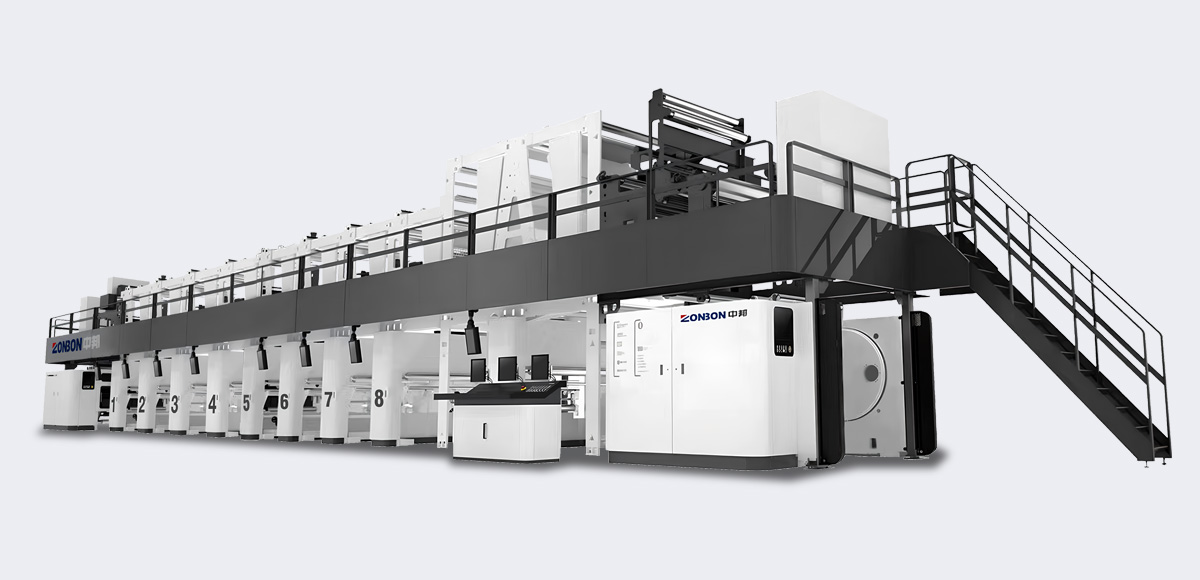
Plate Making: Gravure printing cylinders are prepared based on design drafts.
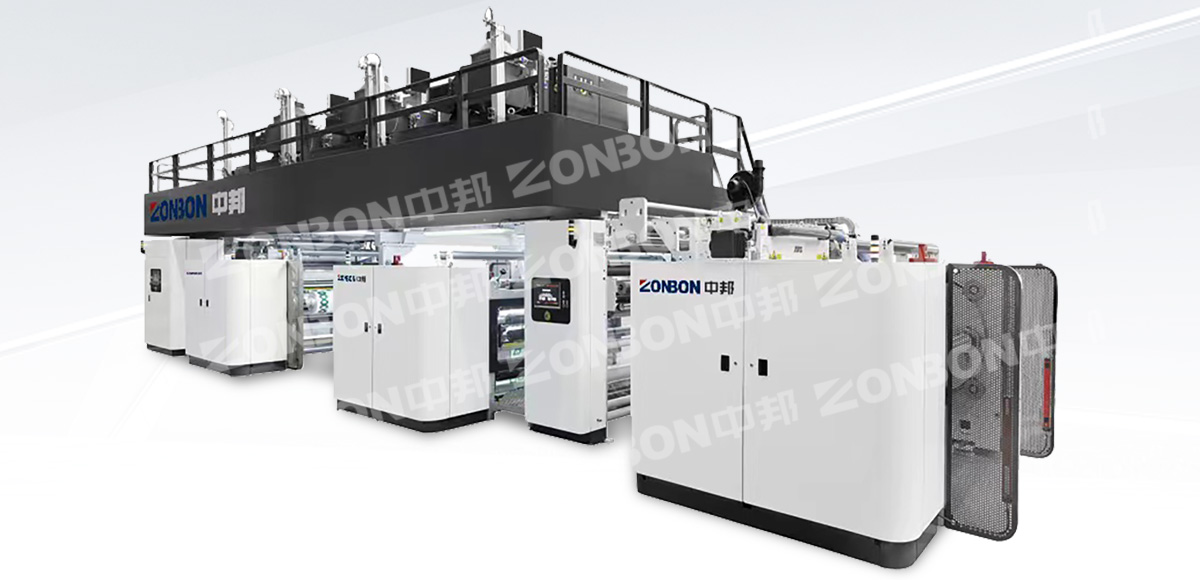
Printing: A roll-to-roll gravure printer transfers ink onto the fabric. Polyamide or chlorinated polypropylene inks are typically used to ensure print durability.
Cutting and Sewing:
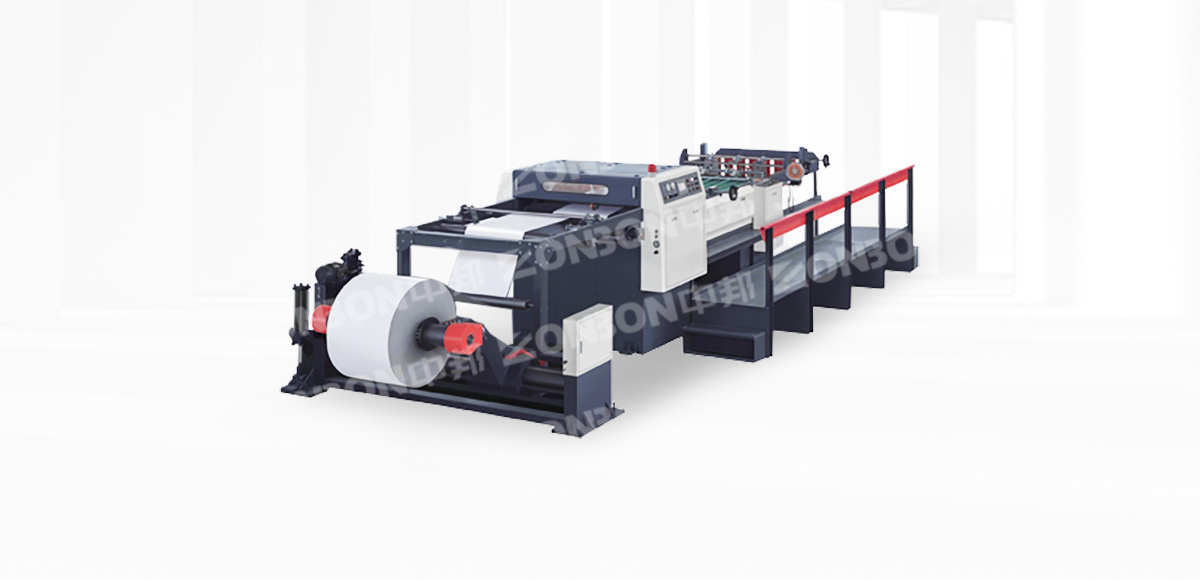
Cutting: The printed tubular fabric is cut to the designed bag length and opened at one or both ends to form flat bag pieces.
Sewing: Industrial sewing machines stitch the bag bottom (for sewn-bottom bags) or mouth. High-strength PP or polyester threads are typically used. For bonded bags, heat sealing is employed for the bottom.
Packing and Storage: Qualified woven bags are packed in batches (e.g., 100 bags per bundle), labeled, and stored for sale.
A professional woven bag manufacturer implements quality control throughout the process:
Physical Indicators: Regular testing of flat yarn's fineness, breaking strength, and elongation; fabric's warp and weft density, basis weight (grammage), and tensile load.
Appearance Inspection: Checking for smoothness, absence of broken threads or stains, and clarity and color accuracy of printed patterns.
Process Parameter Monitoring: Strict control of extrusion temperature, stretch ratio, oven temperature, and tension to ensure production stability.
The production of woven bags is a precise and continuous industrial process. From the science of polymer formulations to the material mechanics involved in flat yarn manufacturing, and the highly automated weaving and post-processing technologies, each stage embodies profound industrial engineering principles. With advancements in new materials, processes, and smart manufacturing, woven bag production is evolving toward higher efficiency, superior performance, and greater environmental friendliness. Understanding this complete technical chain is crucial for optimizing production and enhancing product competitiveness.
pre: -
next: -
Zonbon, The Most Professional Flexible Printing and Packaging Converting Machines Manufacturer Around You.
© 2011-2025 Zonbon Printing & Packaging Machinery Co., Ltd. All Rights Reserved

