Blogs
We share with you the latest industry trends, try to solve all your questions about flexible packaging machines and printing machines as well. Read our blogs to keep abreast of what’s new in the industry and in Zonbon.

In the modern fast-moving consumer goods market, flexible packaging for liquid laundry detergent holds a significant position due to its advantages such as lightness, low cost, and good printing effects. From stand-up pouches to spout pouches, its forms are diverse and functions vary. Manufacturing high-quality liquid laundry detergent flexible packaging is a professional system that integrates materials science, printing technology, lamination processes, and bag-making engineering. This article systematically analyzes the entire manufacturing process of liquid laundry detergent flexible packaging.
Before starting the machinery, scientific design and material selection are the foundation of success.
Structural Design of Packaging Materials
Liquid laundry detergent flexible packaging is typically not a single-layer film but rather a composite packaging material formed by laminating multiple layers of different functional materials together. A typical three-layer structure is as follows:
Outer Layer (Printing Layer/Strength Layer): Usually made of biaxially oriented polyester film (BOPET) or biaxially oriented nylon film (BOPA). These materials offer excellent mechanical strength, abrasion resistance, printability, and provide good gloss, ensuring a refined and durable packaging appearance.
Middle Layer (Barrier Layer): The primary function is to block oxygen, moisture, and fragrance, preventing the contents from deteriorating or losing scent. Commonly used materials include aluminum foil (AL) or metallized film (VMPET/VMCPP). Aluminum foil provides excellent barrier properties but is prone to pinholes when bent; metallized film offers better flexibility and lower cost, making it the choice for many mid-to-high-end brands.
Inner Layer (Seal Layer/Content Resistance Layer): Directly in contact with the laundry detergent, it must possess good heat sealability, chemical stability (resistance to acids, alkalis, and surfactants), and leak-proof capabilities. The most commonly used materials are cast polypropylene film (CPP) or polyethylene film (PE), with linear low-density polyethylene (LLDPE) being widely used due to its excellent impact resistance and heat seal performance.
Structure Example: BOPET (12μm) / Ink / Adhesive / AL (7μm) / Adhesive / CPP (70μm)
Selection of Inks and Adhesives
Inks: Must choose high-temperature-resistant, migration-resistant composite inks to ensure that patterns do not peel or discolor during subsequent processing (such as lamination and bag-making) and do not react with the laundry detergent.
Adhesives: Used for bonding between layers. For products like laundry detergent that contain chemical solvents, content-resistant polyurethane adhesives must be used to prevent delamination and debonding due to chemical erosion during storage.
The manufacturing of liquid laundry detergent flexible packaging is mainly divided into four major processes: printing, lamination, curing, and bag-making.
Printing
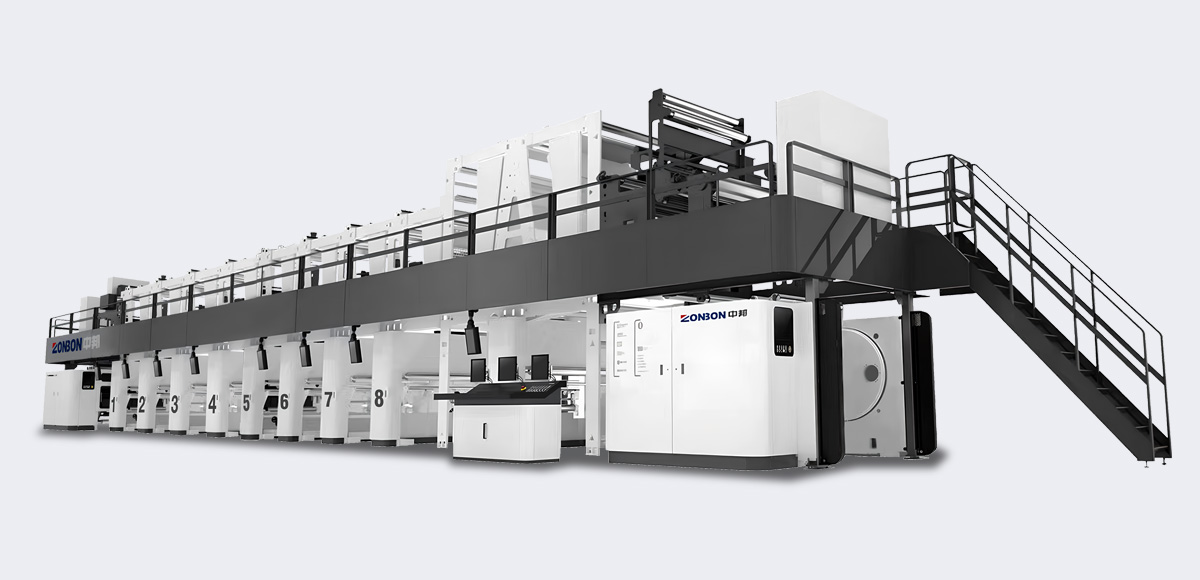
Process: Primarily uses gravure printing. This process offers advantages such as rich ink color, vibrant hues, abundant layers, high printing speed, and suitability for large-volume long runs, making it highly suitable for industrial production of flexible packaging.
Flow: The designed pattern is made into a printing plate (cylinder) via electronic engraving or laser engraving. On the printing press, each color plate sequentially transfers ink onto the substrate film (usually BOPET or BOPA), followed by a drying system to cure the ink.
Quality Control Points: Registration accuracy, color difference, plate scumming, doctor blade streaks, etc. Instruments like densitometers and colorimeters are used for online and offline inspection.
Lamination
Process: Bonding the printed film with the barrier layer and seal layer firmly together using adhesive. The dry lamination process is commonly used.
Flow:
Evenly coat adhesive onto the first substrate (printed film).
Pass through a drying tunnel to completely volatilize the solvent in the adhesive.
At the lamination roller, press and bond with the second substrate (e.g., aluminum foil or CPP) under heat and pressure.
For a three-layer structure, repeat this process.
Quality Control Points: Adhesive coating uniformity, residual solvent amount (must comply with national hygiene standards, e.g., <5mg/m²), laminate strength (peel force).
Curing
Purpose: The semi-finished product after lamination needs to undergo curing in a specific environment. During this process, the adhesive undergoes sufficient chemical reactions to achieve the final laminate strength.
Conditions: Typically placed in a curing room at 50-55°C for 48-72 hours. Time and temperature must be strictly set according to the type of adhesive used.
Importance: Insufficient curing leads to inadequate laminate strength, making the packaging prone to delamination; over-curing may make the film brittle, affecting subsequent bag-making performance.
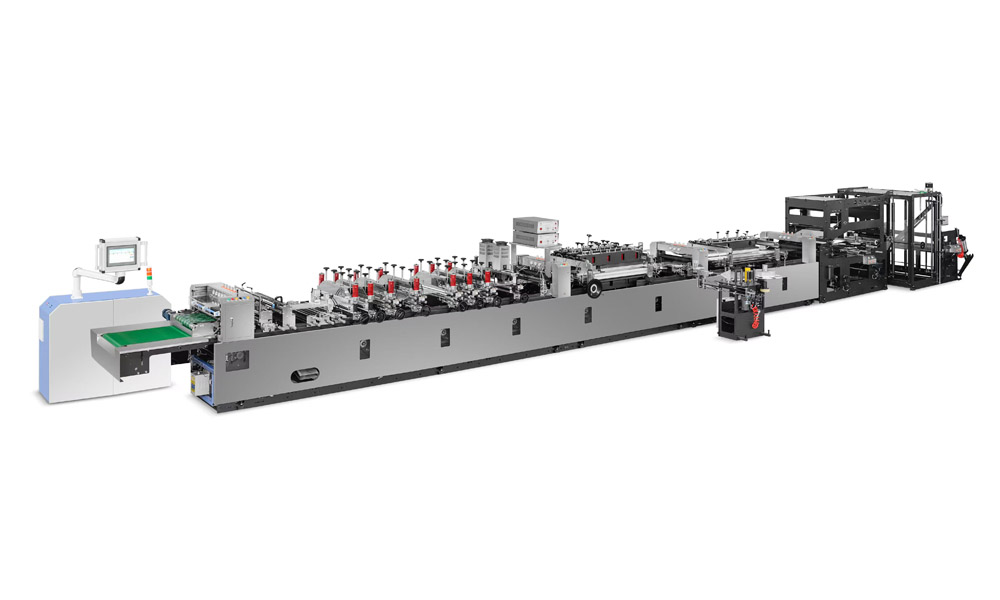
Bag-Making
Process: The cured roll composite material is heat-sealed and cut on a bag-making machine to produce the final bags.
Key Steps:
Slitting: Cut the wide roll material to the designed width.
Back Seam/Center Seam: Fold the film and seal the back to form a tube. This is the most common sealing method for stand-up pouches.
Bottom Seal: Seal the bottom of the bag.
Punching/Installing Handles: If handles are required, this step is completed here.
Cutting: Cut the continuous tubular material to the set length to form individual bags.
Quality Control Points:
Heat Seal Strength: The sealed edges must be strong enough to withstand the weight of the laundry detergent and impacts during transportation. Heat seal temperature, pressure, and time are the three key parameters.
Seal Integrity: Sealed edges must not have leaks or weak seals.
Appearance: Correct pattern positioning, clean cuts, no burrs.
The manufacturing of liquid laundry detergent flexible packaging is a precise systematic engineering. From the design of multi-layer composite materials to the precise control of each process step—printing, lamination, curing, and bag-making—it reflects the rigor and professionalism of modern industrial manufacturing. Only by deeply understanding material characteristics, process principles, and establishing a comprehensive quality control system can high-quality flexible packaging products that are safe, aesthetically pleasing, and meet market demands be produced, providing solid support for brand value and consumer experience.
pre: -
next: -
Zonbon, The Most Professional Flexible Printing and Packaging Converting Machines Manufacturer Around You.
© 2011-2025 Zonbon Printing & Packaging Machinery Co., Ltd. All Rights Reserved

