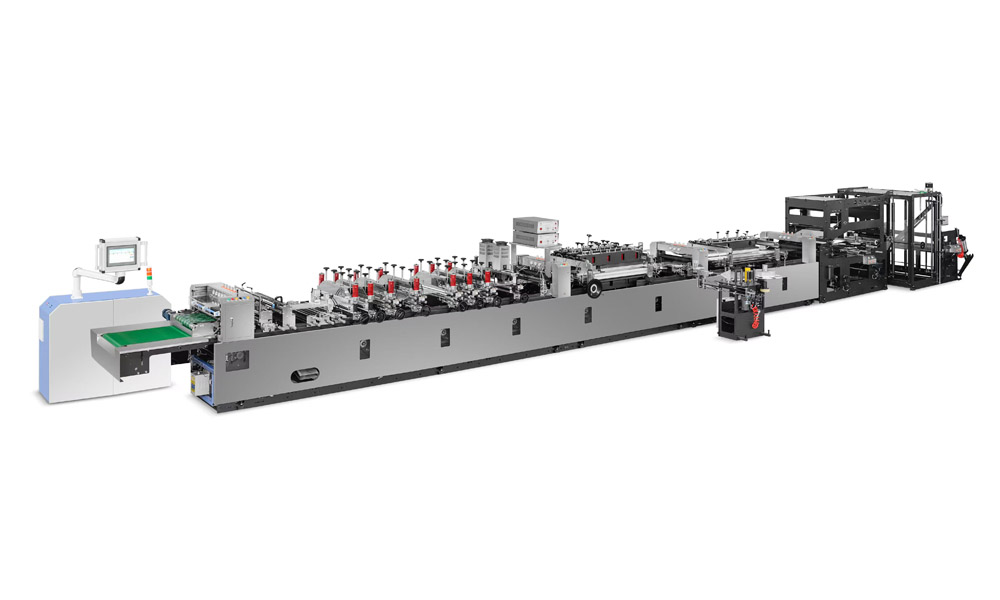
Your Professional Flexo Label Printing Machine Manufacturer
ZONBON is leader supplier in China,with strong technology team,can give you one-stop label printing machine solution.

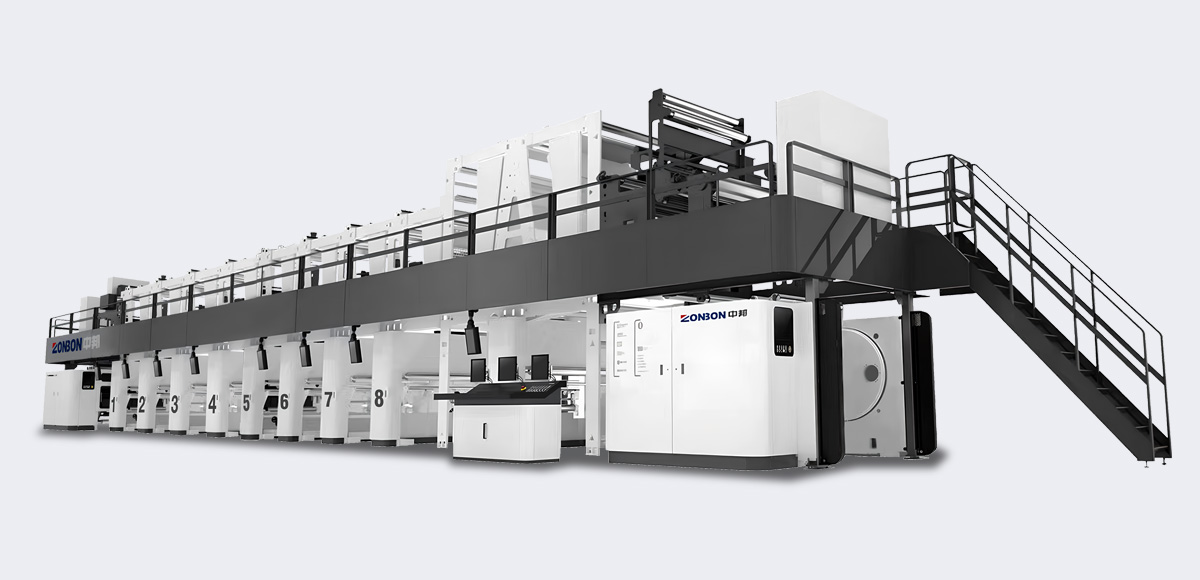
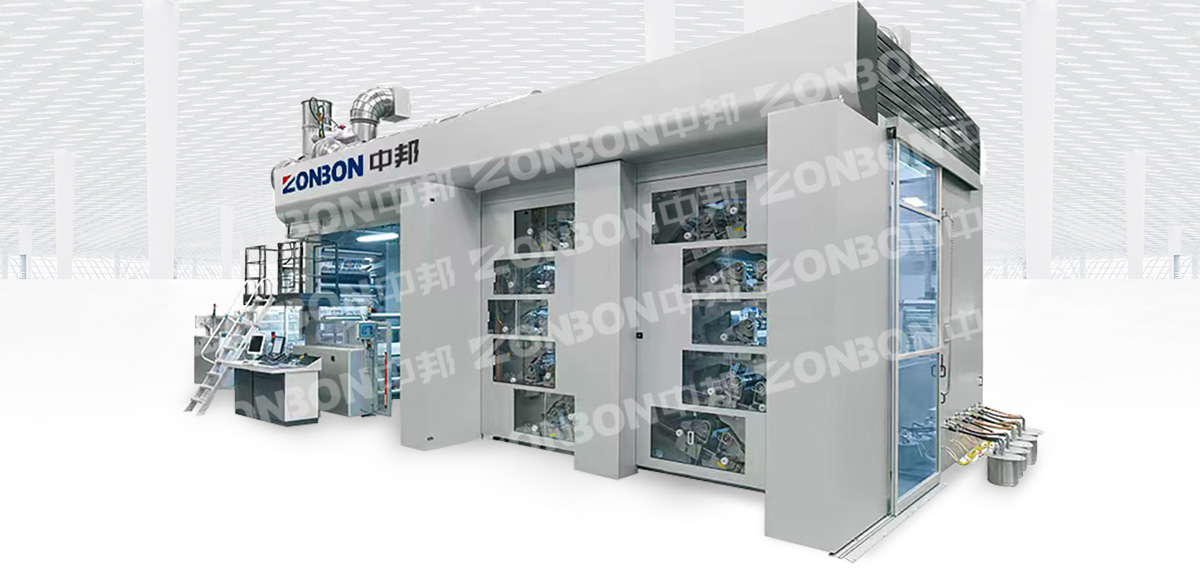
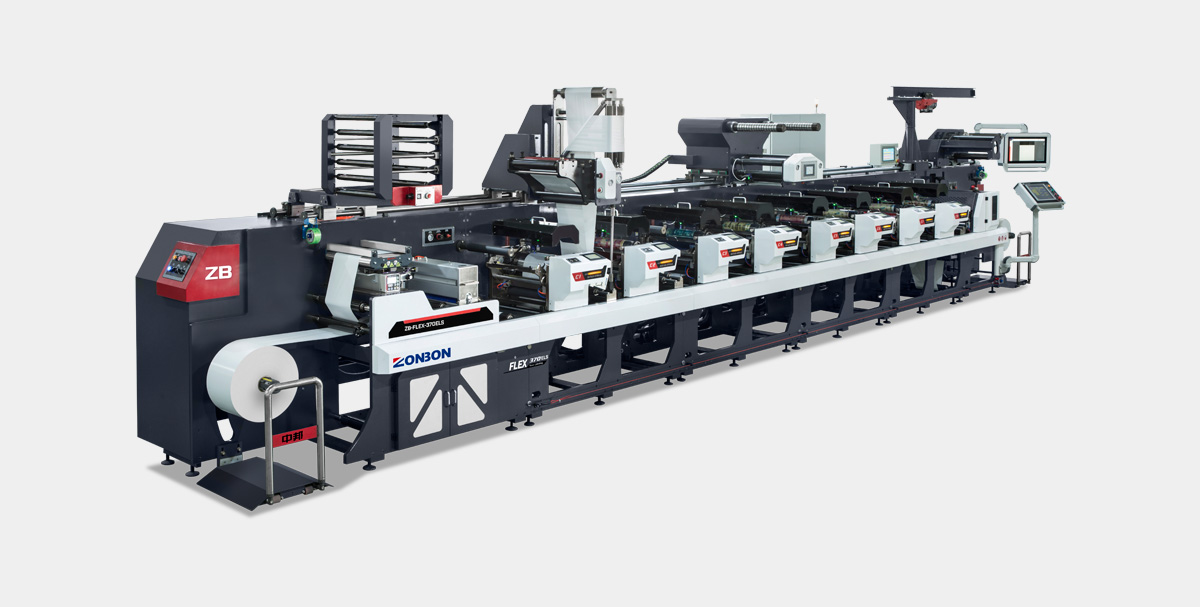
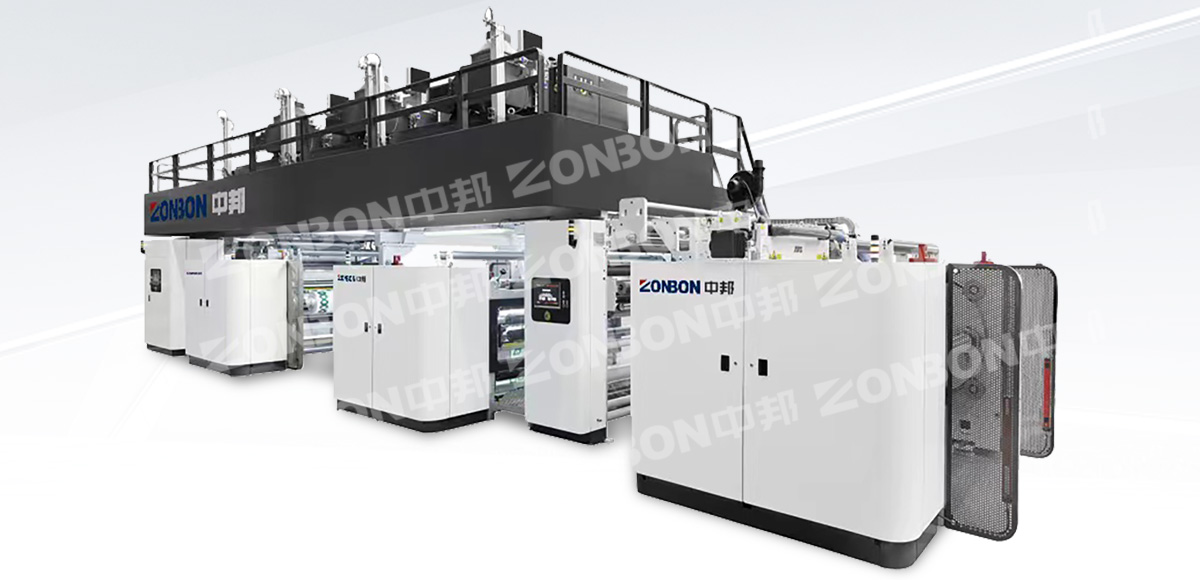
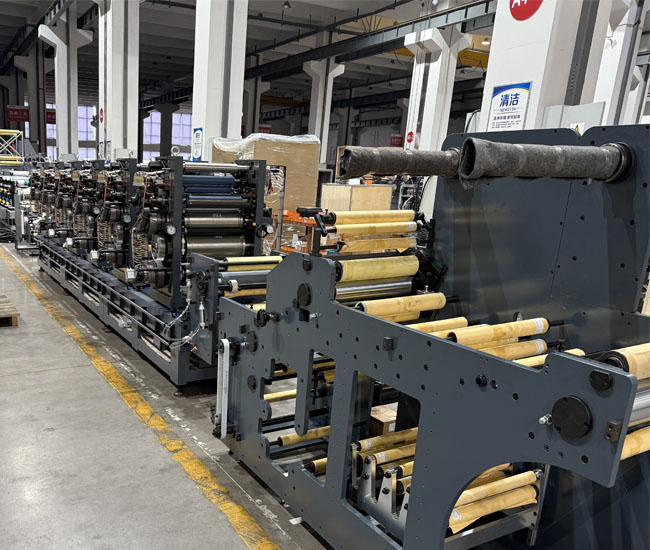
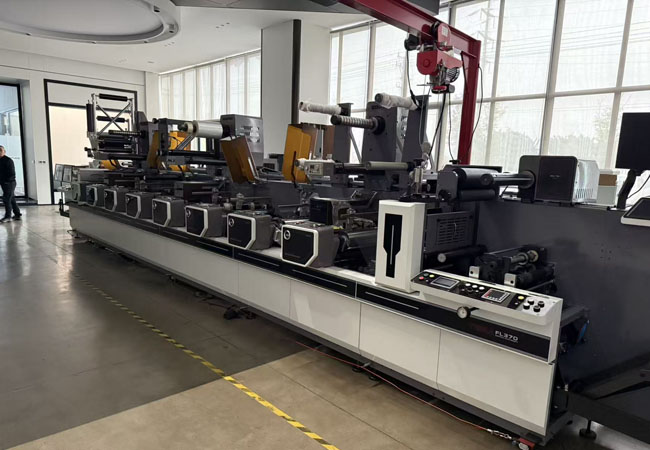
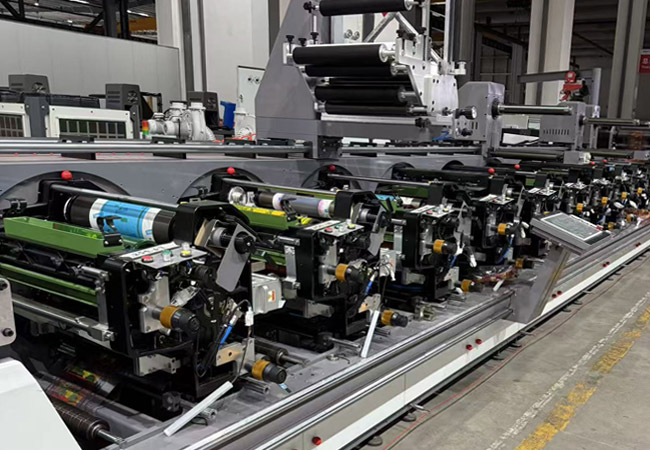
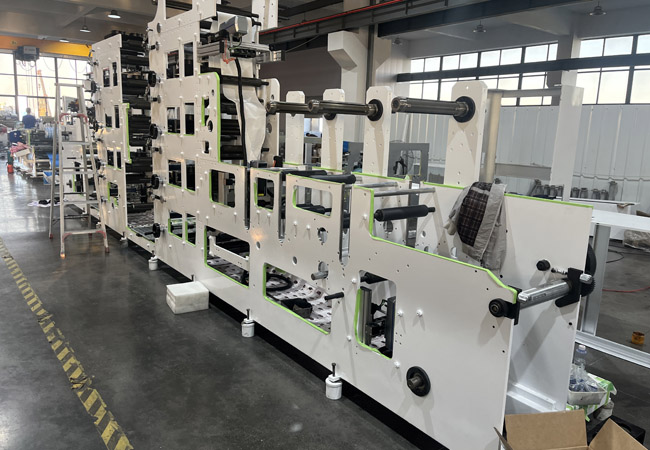
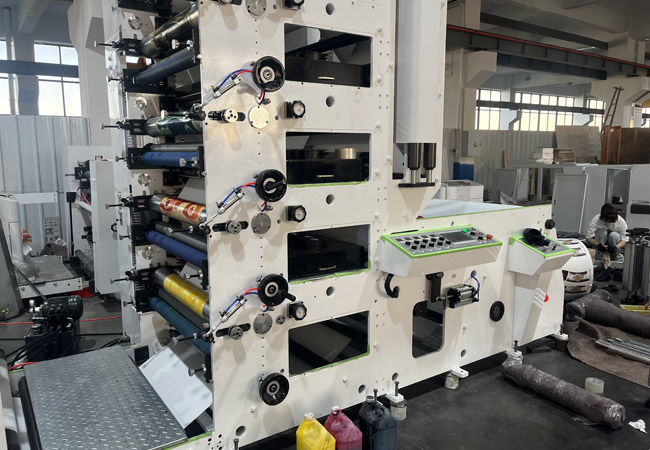
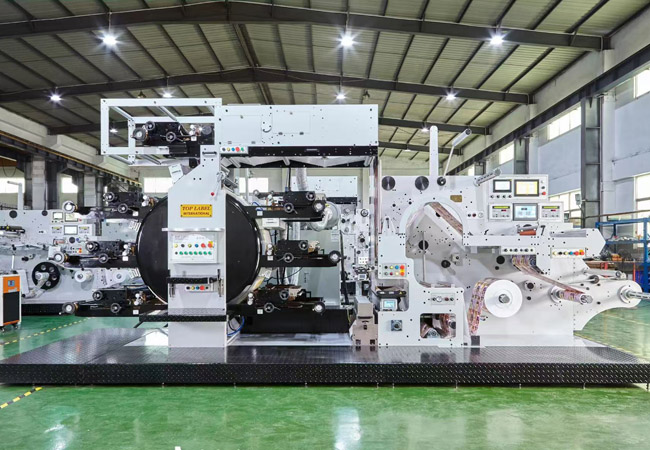
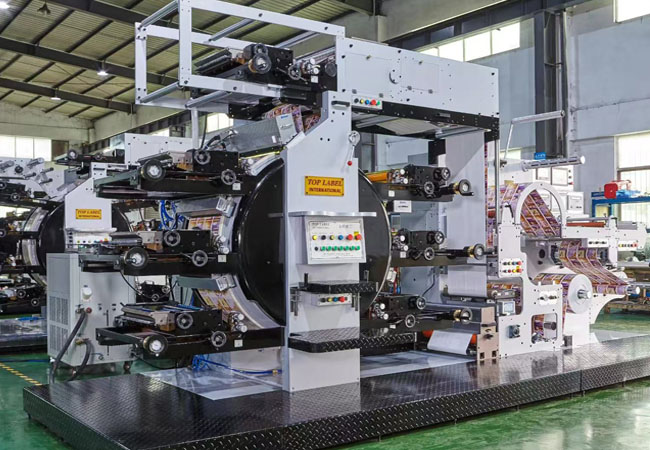
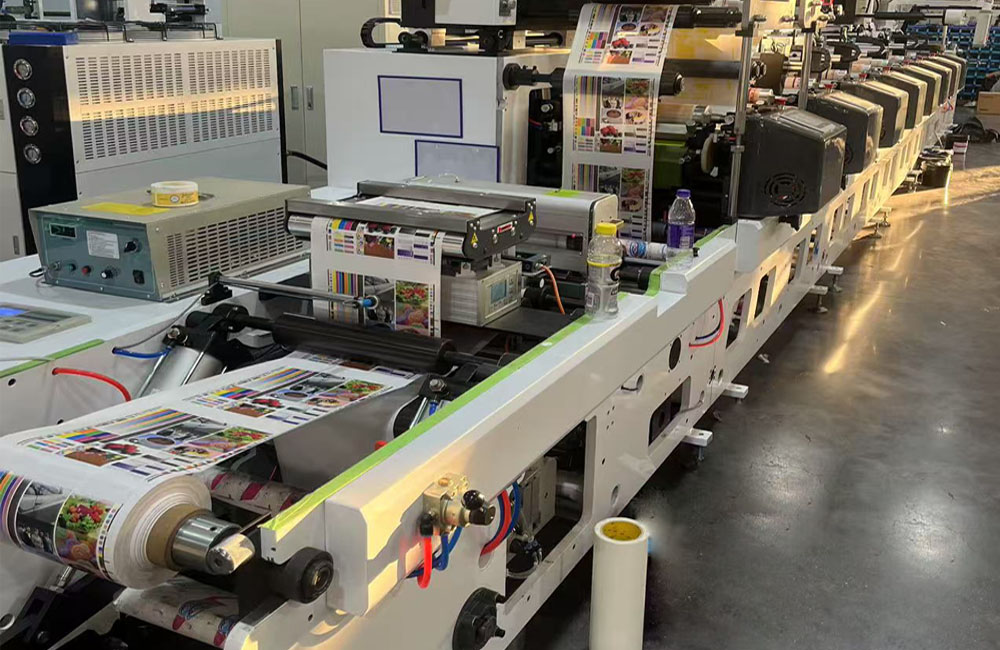
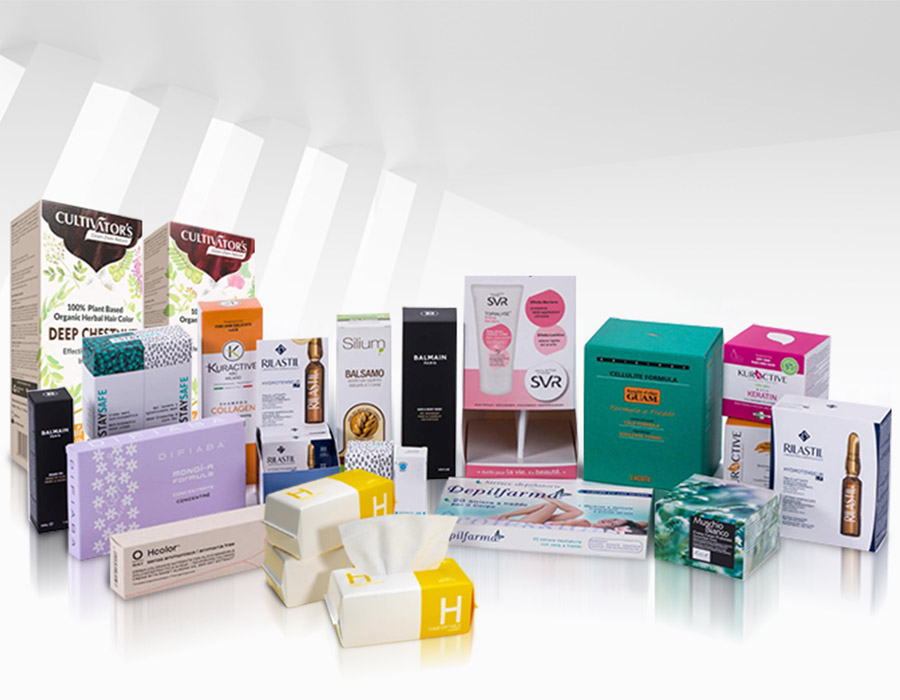
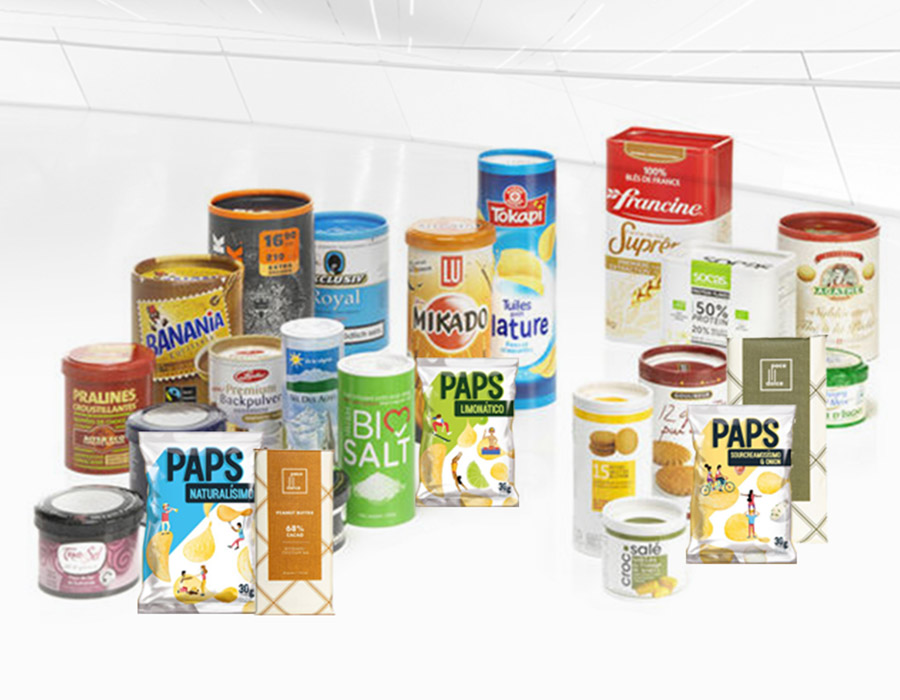
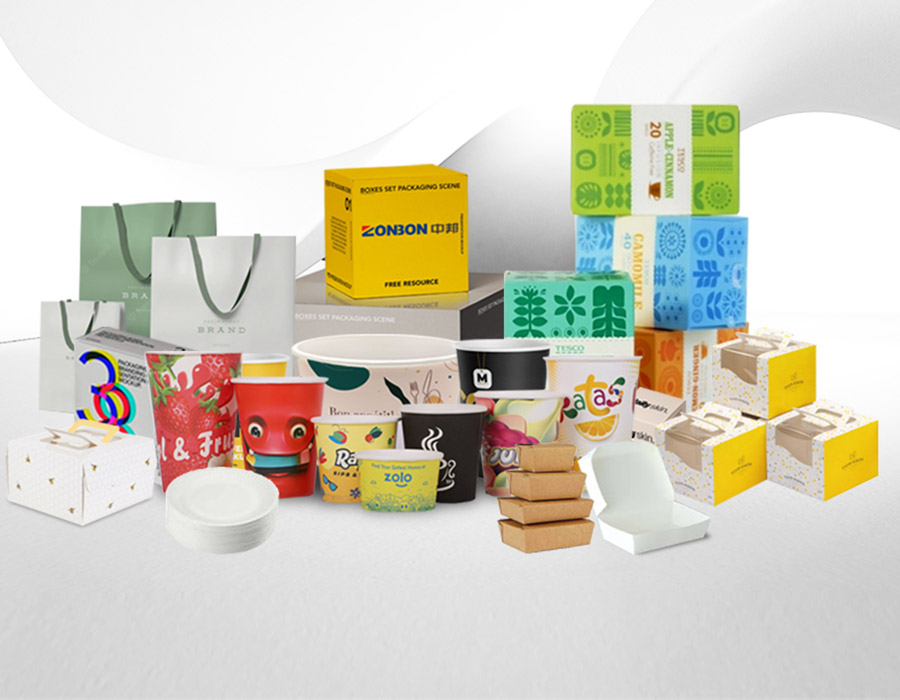
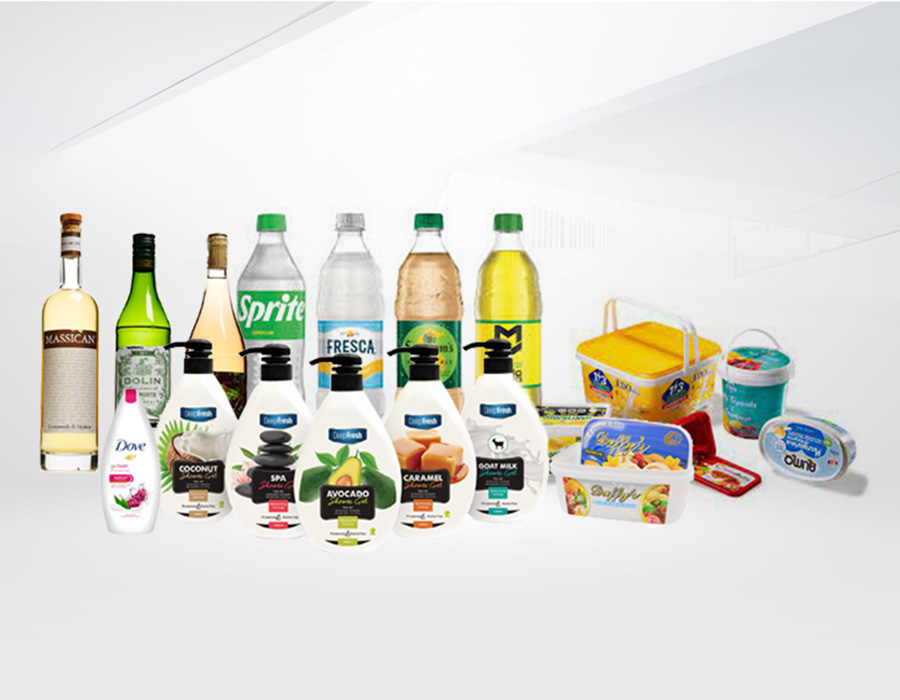
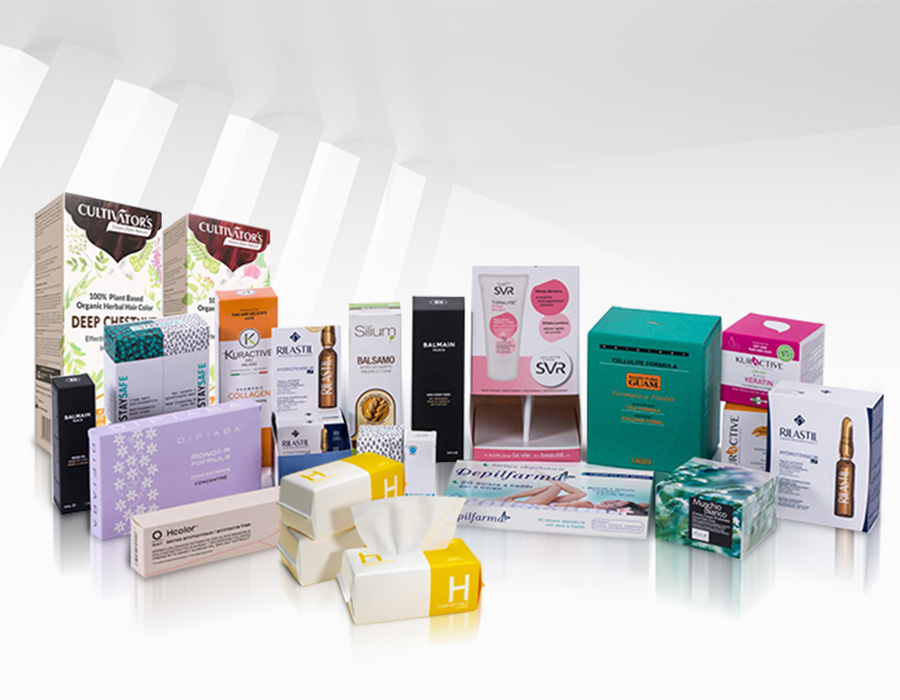
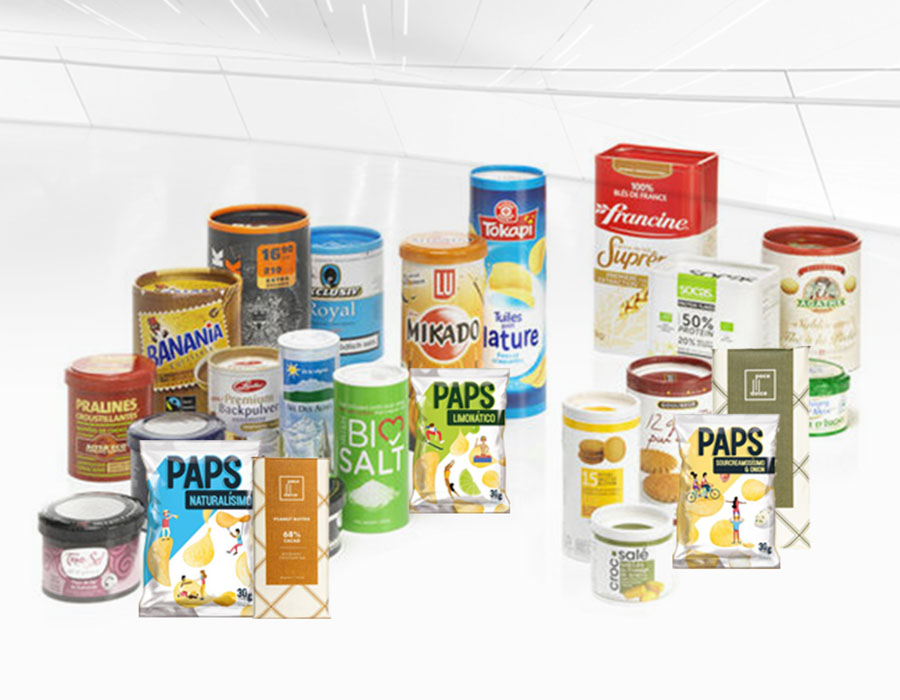
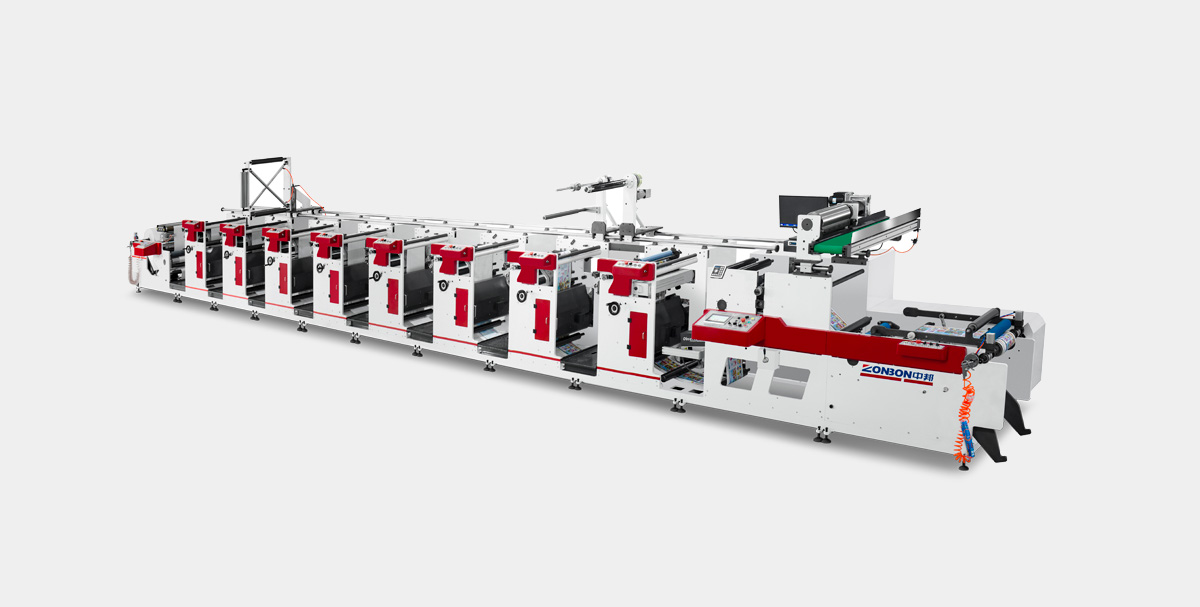
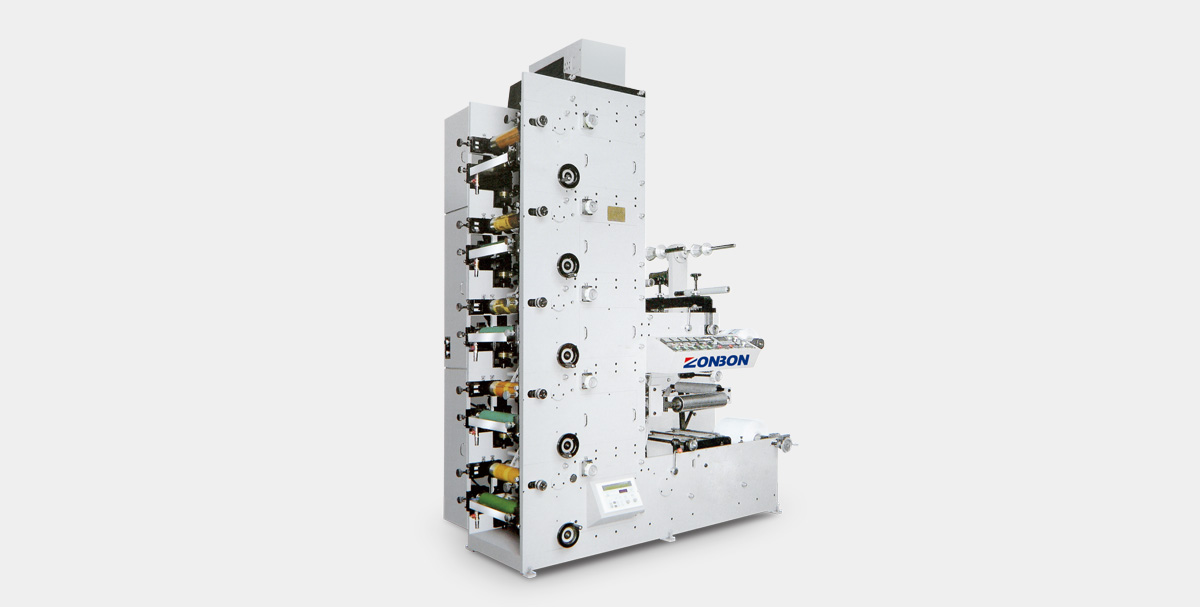
As a top producer of stack-type flexo printing machines, we deliver high-performance solutions for all your printing needs. Our machines support 1-8 customizable colors, perfect for labels, paper cups, films, cardboard, and more—ensuring vibrant, professional results every time.
With our fast infrared drying system, production speeds increase without sacrificing quality. Plus, precision alignment technology guarantees sharp, consistent prints, helping your products shine in any market.
Simple, efficient, and built for excellence—our machines make high-quality printing effortless.
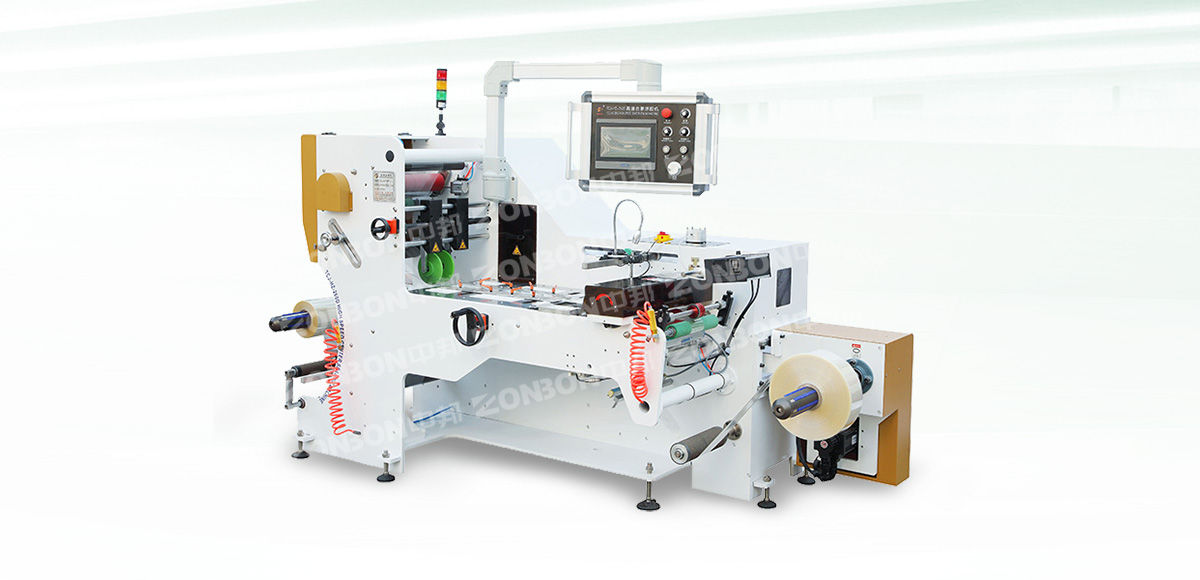
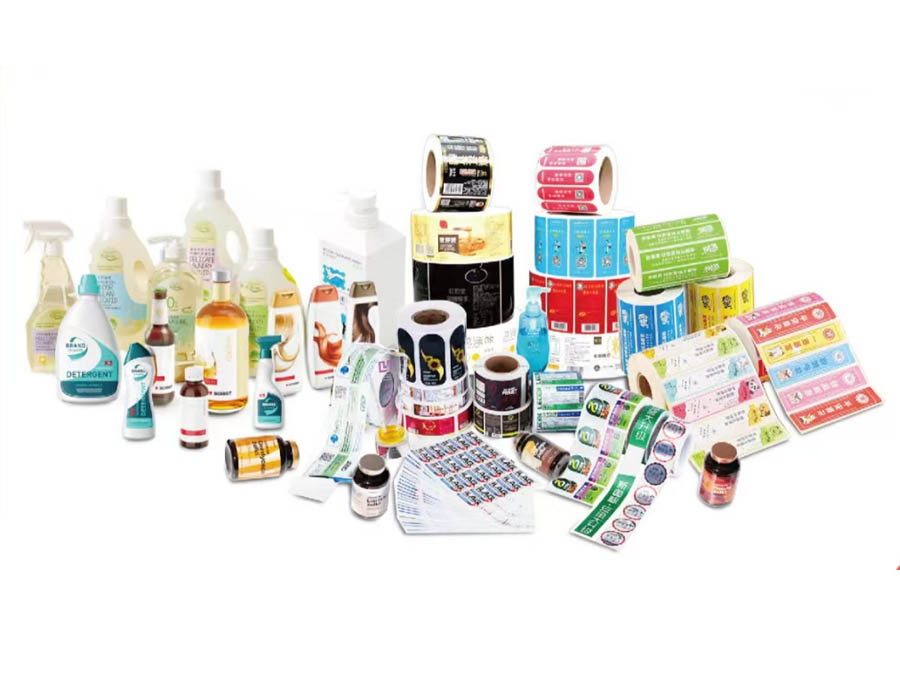
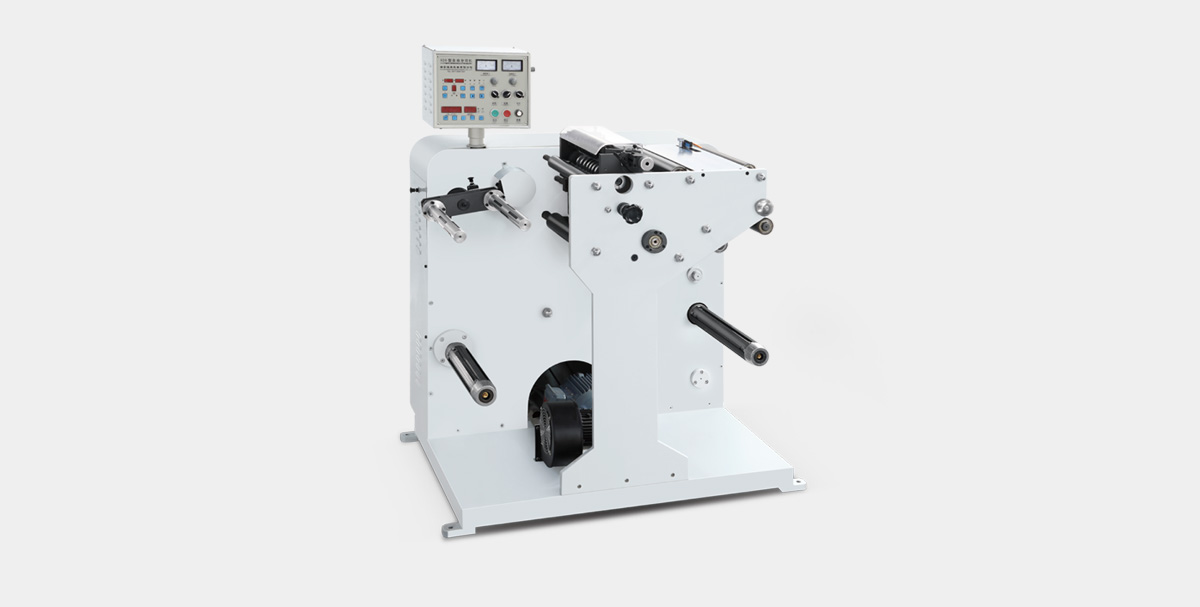
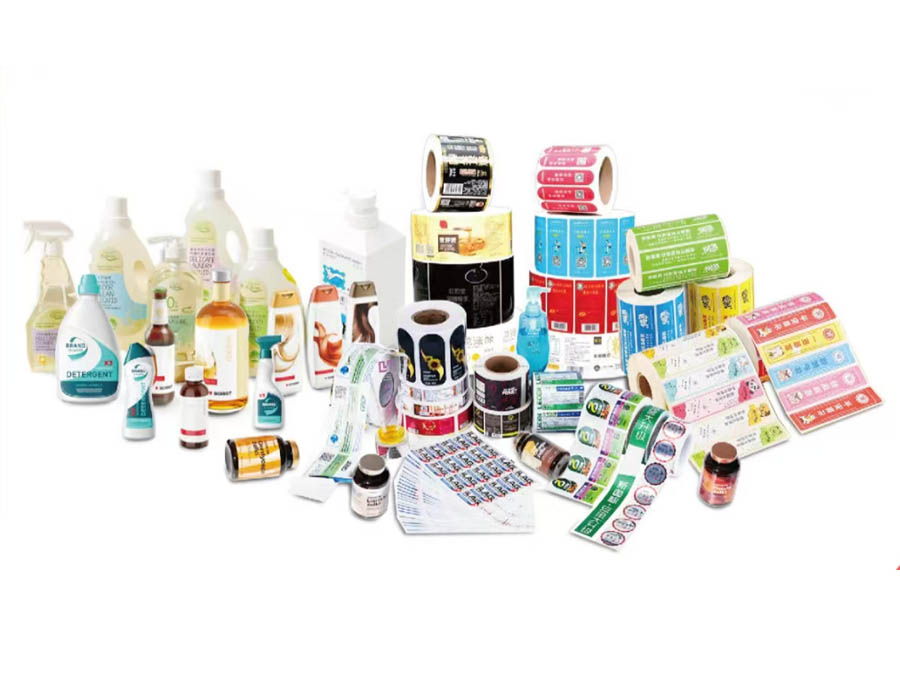
ZONBON Flexo Label Printing Machine have MLS and ELS Type,it can print all kinds of film such as BOPP,CPP,PET,PE,PVC,Metalized Film,Paper,Aluminum.
As a top producer of stack-type flexo printing machines, we deliver high-performance solutions for all your printing needs. Our machines support 1-8 customizable colors, perfect for labels, paper cups, films, cardboard, and more—ensuring vibrant, professional results every time.
With our fast infrared drying system, production speeds increase without sacrificing quality. Plus, precision alignment technology guarantees sharp, consistent prints, helping your products shine in any market.
Simple, efficient, and built for excellence—our machines make high-quality printing effortless.
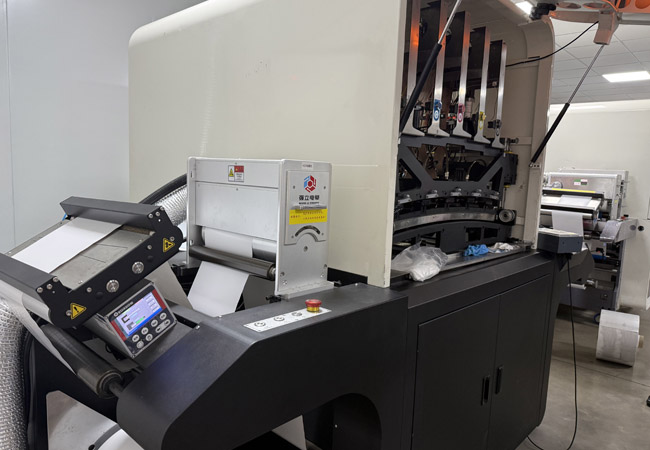
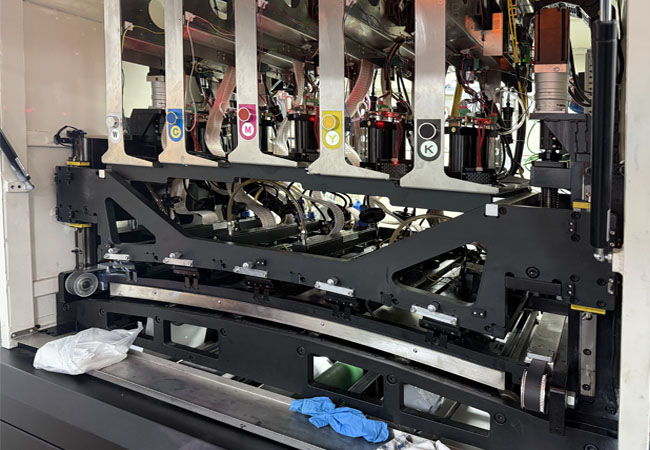
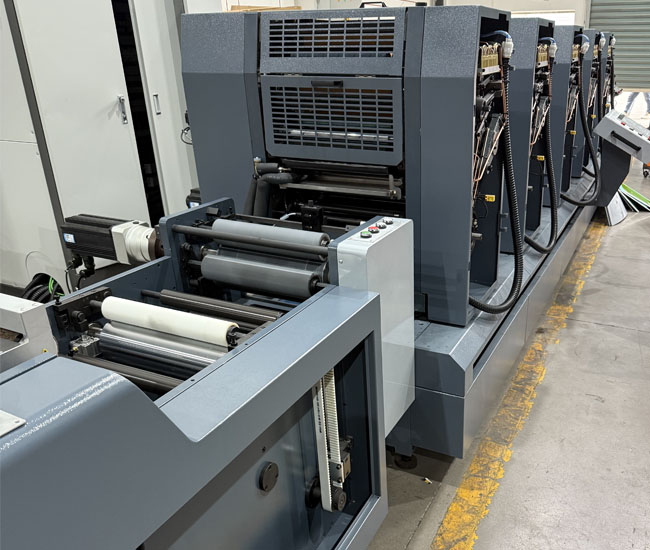
With 17+ years in the industry, our team delivers solutions that truly work for you—whether you’re new to printing machines or a seasoned pro. We don’t just sell equipment; we provide customized support to match your exact needs.
From design and training to installation and spare parts, we’ve got you covered at every step. Our goal to make sure your business runs smoother, faster, and smarter—with no surprises.
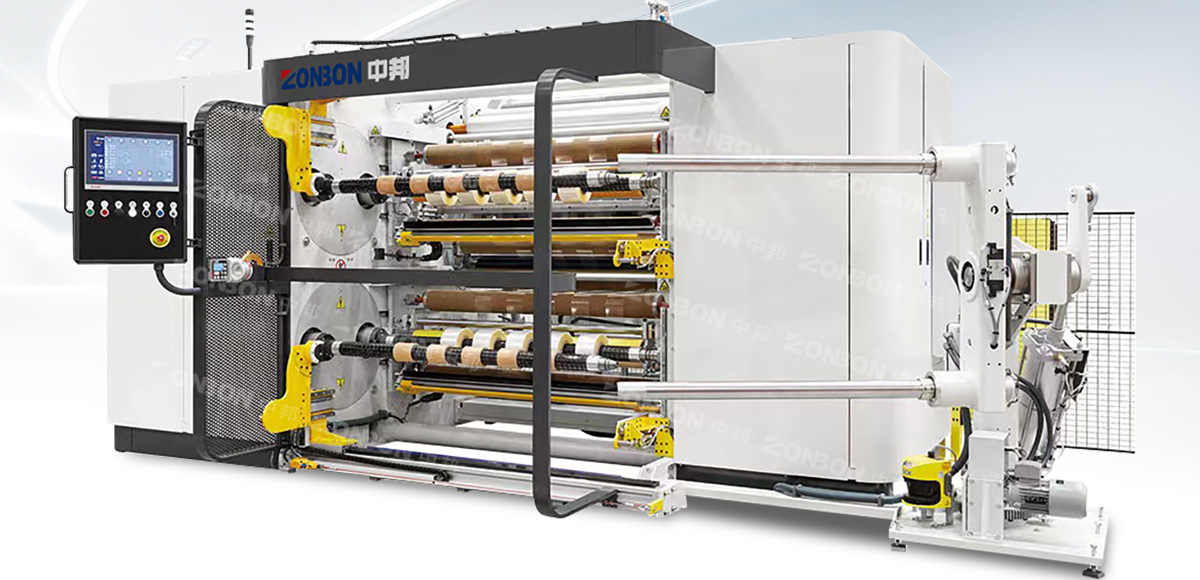
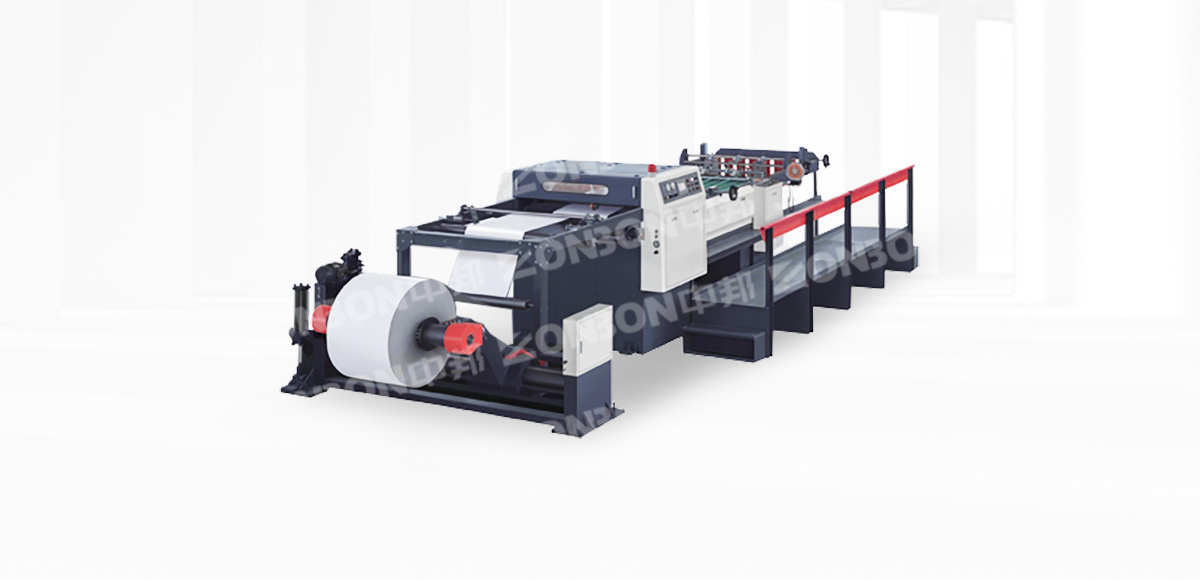
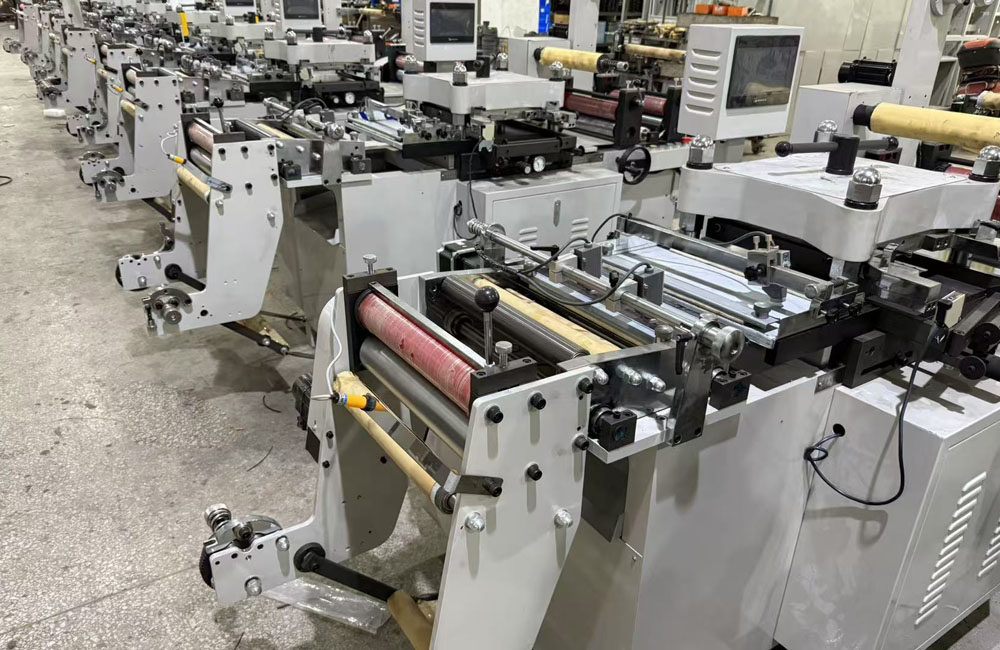
we recognize that every production line has its own unique demands and hurdles That's why we provide fully customized solutions for label printing and diecutting machine, adapting machines to your specific features or entirely new designs through close collaboration with our expert engineers This partnership ensures your operations run smoothly, boosting efficiency and output quality . Our dedication doesn't stop at the initial setup—we continually refine machines based on your input and industry trends, delivering cutting-edge technology that keeps you ahead in productivity From prototyping to final deployment, we focus on aligning equipment perfectly with your goals to enhance your entire production workflow

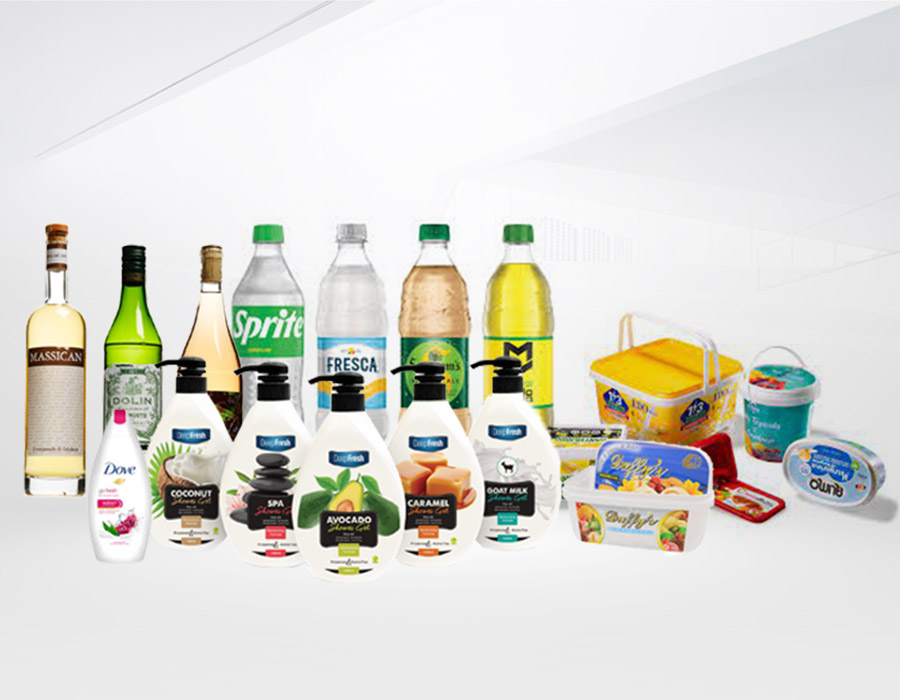
Zonbon: Powering the Future of Label Printing
Zonbon as label printing machine manufacturers - we're innovation partners. For years, we've been revolutionizing the label industry by combining advanced printing technology with strategic business solutions. Our team doesn't just build equipment; we co-create competitive advantages that keep your business ahead of market trends.
Driven by relentless innovation, we develop smart printing solutions that transform your production capabilities. From precision engineering to strategic implementation, we're committed to helping you print smarter, faster, and better.
All the parts made by high precision CNC Center,to make sure Flexo Label Printing Machine will have most stable printing precision.
- Choose independent verification or request live video FAT (Factory Acceptance Testing)
- Receive pre-installed maintenance kits (no. of free replacements tailored to your volume)
- Shock-absorbent packaging with desiccant and anti-rust nanotechnology coatings
Your dedicated Zonbon support triad:
1) 14-day on-site operational coaching
2) 365-day warranty covering labor/parts
3) Lifetime access to our proprietary troubleshooting database
Zonbon, The Most Professional Flexible Printing and Packaging Converting Machines Manufacturer Around You.
© 2011-2025 Zonbon Printing & Packaging Machinery Co., Ltd. All Rights Reserved


![ZBFL-320A/450A Label[Iogo] Flexo Printing Machine With Three Die-cutting Stations](/upload/admin/20250425/a78029eeb892f55ff94b178a2202991c.jpg)