Flexo Printing Machines
Explore flexo printing machines for flexible packaging, film, paper, and labels. Includes CI, stack, gearless, and inline presses for various production needs.

Explore flexo printing machines for flexible packaging, film, paper, and labels. Includes CI, stack, gearless, and inline presses for various production needs.
Discover rotogravure printing machines for flexible packaging and film printing. High-speed performance, consistent color, and stable production.
Explore industrial laminating machines for flexible packaging, plastic film, paper, and foil converting. Compare solventless, dry, extrusion, and hot melt laminating solutions for modern packaging production lines.
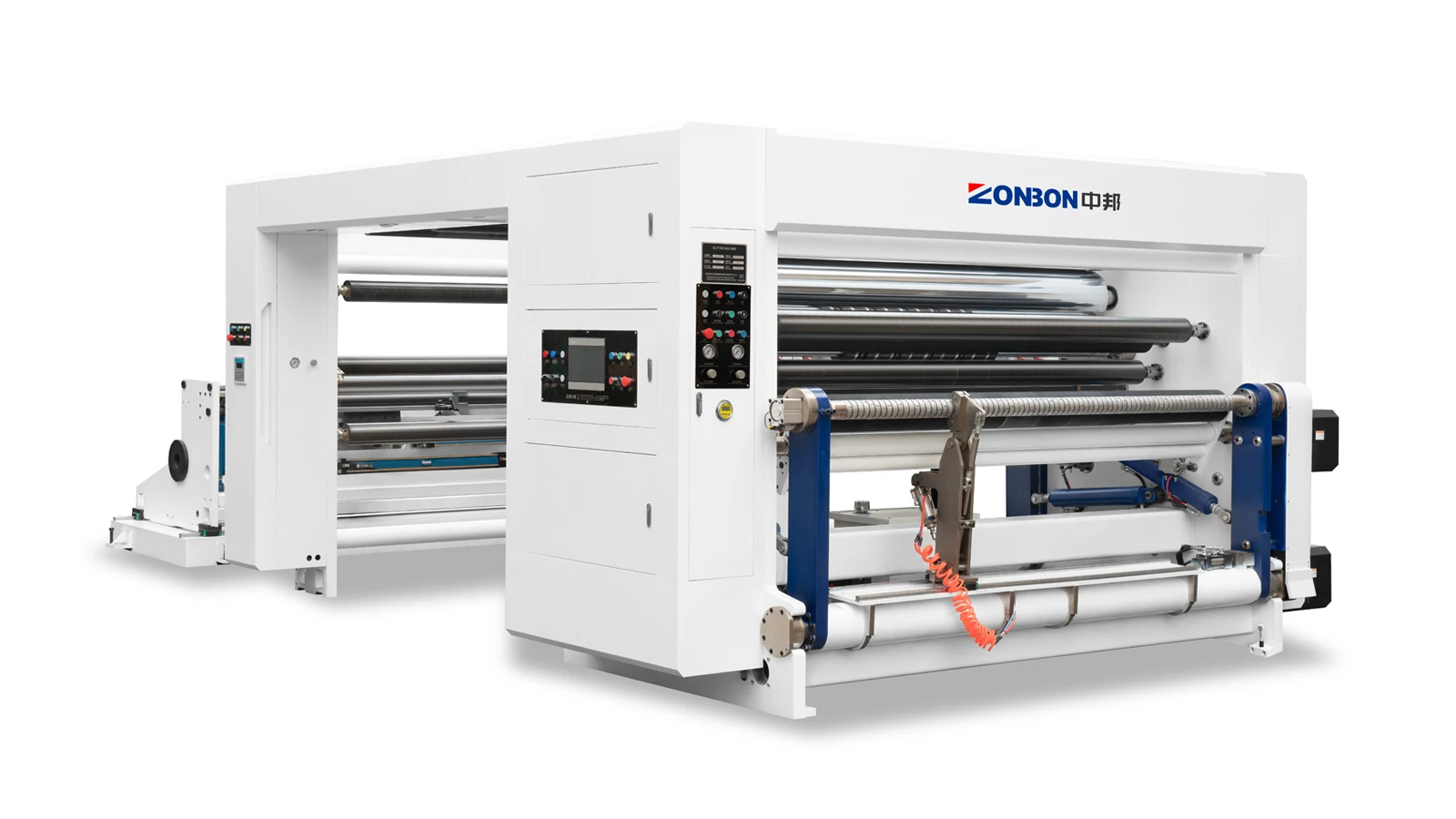
Explore slitting machines designed for film, paper, foil, tape, ribbon, and thermal paper converting. Ideal for manufacturers processing roll materials in packaging, label, printing, and industrial production.
Explore bag making machines designed for plastic bags, food packaging bags, garbage bags, ziplock bags, and non woven bags. Suitable for flexible packaging and industrial bag production.
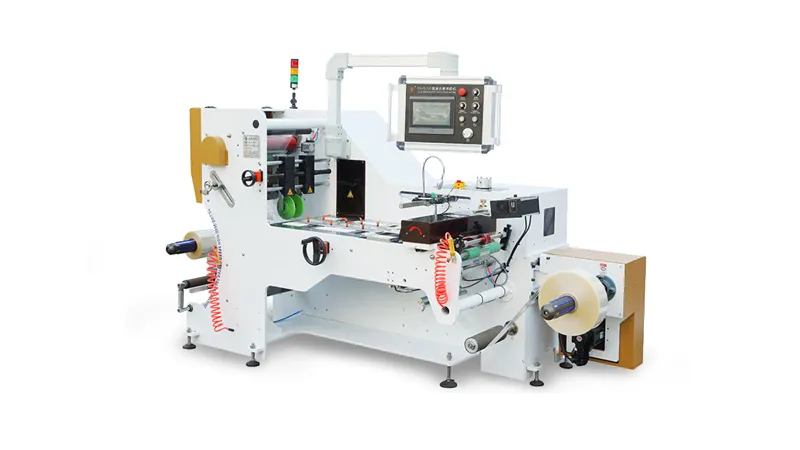
Discover rewinding and inspection machines for labels and film. Slitting, rewinding, and defect detection for reliable quality control.
Explore cross cutting machines designed for paper rolls, labels, and flexible materials. Ideal for roll-to-sheet converting, copy paper production, packaging materials processing, and industrial cutting applications.
Explore shrink sleeve seaming machines designed for PVC and PET sleeve label production. Suitable for beverage labels, packaging sleeves, and roll-to-tube sleeve forming with stable sealing performance.
Explore industrial coating machines designed for water based coatings, solvent coatings, and adhesive coatings used in packaging, printing, paper processing, and film production industries.
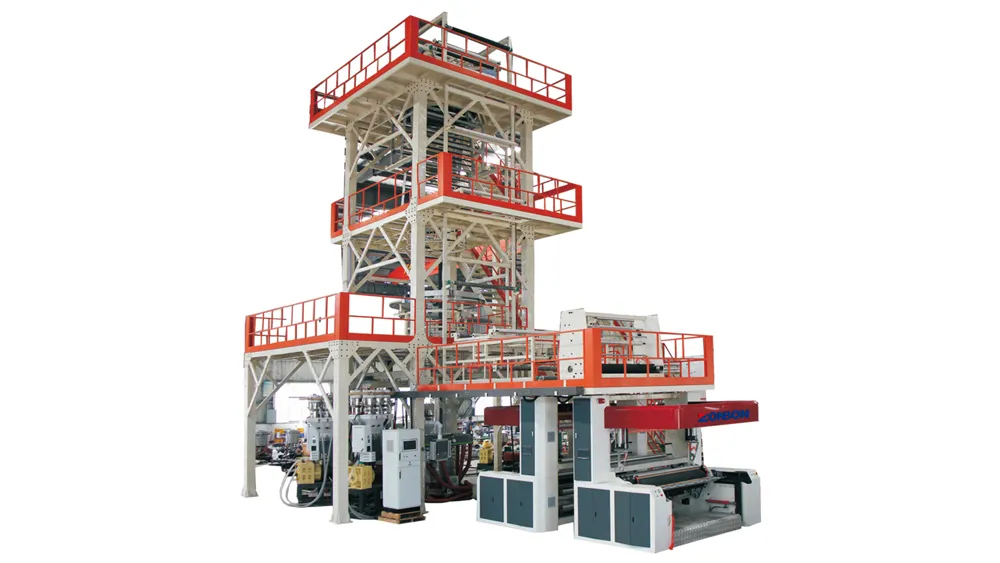
Explore blown film machines designed for PE, PP, PVC, and POF film production. Suitable for packaging film, shopping bag film, agricultural film, shrink film, and industrial plastic film manufacturing.
Compare leading slitting machine manufacturers for film converting, paper processing, foil slitting, label production, and flexible packaging applications. This guide helps converters, distributors, and packaging manufacturers identify the right supplier for their production goals.
Slitting machines play a critical role in film converting, paper processing, foil slitting, label production, and flexible packaging manufacturing. They are used to cut jumbo rolls into narrower finished rolls while maintaining stable tension, clean slit edges, accurate rewinding, and consistent roll quality.
But different manufacturers serve different converting needs. Some global suppliers are stronger in high-speed film slitting, some focus on precision label converting, while some direct machinery manufacturers are more suitable for OEM cooperation, customized configurations, distributor projects, and cost-sensitive investment plans.
Use this comparison table to quickly understand each manufacturer’s country, main focus, suitable application, and buyer type.
| Manufacturer | Country | Main Focus | Best For | Buyer Type |
|---|---|---|---|---|
| ZONBON Machinery | China | Slitting and converting equipment | Film, paper, foil, label and flexible packaging converting projects | Global buyers, distributors, converters and OEM partners |
| Atlas Converting Equipment | United Kingdom | High-performance film slitting machines | Film converting and flexible packaging production | Large converters and packaging groups |
| Kampf Schneid- und Wickeltechnik | Germany | Advanced converting technology | Film, foil, paper and industrial roll materials | High-end converting factories and industrial manufacturers |
| Parkinson Technologies | USA | Film converting systems | Plastic film, extrusion and converting lines | Film processors and industrial roll material producers |
| Euromac | Italy | Slitting and rewinding machines | Flexible packaging, film and paper converting | Medium to large converting factories |
| Nishimura Mfg | Japan | Precision slitting systems | High-precision roll material processing | Buyers focused on accuracy and stable roll quality |
| Pasquato | Italy | Label converting machinery | Label materials and narrow web converting | Label converters and adhesive material processors |
| GOEBEL IMS | Germany | High-speed film slitting equipment | Film, paper, foil and packaging roll materials | Large industrial converters and global packaging producers |
| Dingyuan Machinery | China | Film converting machines | Plastic film and flexible packaging converting | Cost-sensitive buyers and film converters |
| Ruian Loyal Machinery | China | Label and film slitting machines | Label converting, film slitting and packaging materials | Label converters, packaging factories and distributors |
ZONBON Machinery is a specialized packaging and converting equipment manufacturer with experience in slitting machines, rewinding systems, printing machines, laminating machines and related roll material processing equipment.
Atlas Converting Equipment is widely recognized for high-performance slitter rewinders used in film converting and flexible packaging production.
Kampf is known for advanced converting technology and slitting systems used in film, foil, paper and industrial roll material processing.
Parkinson Technologies provides film converting systems and related roll processing equipment for plastic film and industrial applications.
Euromac manufactures slitting and rewinding machines used in flexible packaging, film converting, paper processing and related converting applications.
Nishimura Mfg is associated with precision slitting systems for buyers who require accurate cutting, stable rewinding and consistent roll quality.
Pasquato focuses on label converting machinery and narrow web roll processing equipment for adhesive label materials and related applications.
GOEBEL IMS is known for high-speed slitting equipment used in film, paper, foil and industrial roll material processing.
Dingyuan Machinery manufactures film converting machines and related slitting equipment for buyers comparing Chinese converting machinery suppliers.
Ruian Loyal Machinery provides label and film slitting machines for converters, packaging factories and buyers seeking Chinese machinery suppliers.
For BOPP, PET, PE, CPP and other flexible packaging films, buyers should compare manufacturers with strong tension control, clean slit edge performance, stable rewinding and high-speed roll handling experience.
For paper rolls, aluminum foil laminates and composite materials, the machine structure, slitting method, rewind tension, roll diameter and shaft configuration must match the material strength and thickness range.
For label stock and adhesive materials, buyers should focus on web guiding accuracy, narrow-width slitting stability, rewinding quality and whether the supplier understands label converting requirements.
Many global slitting machine brands are strong in high-end converting markets. However, not every buyer needs the same investment level, automation standard, or procurement model. Some converters and distributors need a supplier that can provide practical configuration support, OEM cooperation, direct factory communication and flexible customization.
ZONBON Machinery is a packaging and converting machinery manufacturer based in China, with experience in slitting machines, flexographic printing machines, rotogravure printing machines, laminating machines and related converting equipment. Many machines manufactured by ZONBON have also been supplied through OEM and distributor cooperation models.
For buyers comparing slitting machine manufacturers, ZONBON focuses on helping customers evaluate material type, jumbo roll width, finished roll size, target speed, slitting method, rewinding structure and future production expansion before recommending a suitable machine configuration.
ZONBON supports distributors and partners who need stable manufacturing, branding flexibility, technical documents and long-term cooperation for local market development.
The team helps buyers match machine structure with real materials such as film, paper, foil, label stock and laminated packaging substrates.
Beyond slitting machines, ZONBON can support complete packaging converting projects involving printing, laminating, rewinding and related roll processing equipment.

Choosing the right slitting machine supplier is about more than machine speed or purchase price. Material type, roll specifications, rewinding quality, slit edge consistency, automation level, technical support, and future production plans all affect long-term production performance and ROI.
Tell us about your converting application, and we can help you compare manufacturer options, evaluate suitable slitter rewinder configurations, and determine whether a global brand, specialized converting supplier, or direct OEM manufacturer is the better fit for your project.