Flexo Printing Machines
Explore flexo printing machines for flexible packaging, film, paper, and labels. Includes CI, stack, gearless, and inline presses for various production needs.

Explore flexo printing machines for flexible packaging, film, paper, and labels. Includes CI, stack, gearless, and inline presses for various production needs.
Discover rotogravure printing machines for flexible packaging and film printing. High-speed performance, consistent color, and stable production.
Explore industrial laminating machines for flexible packaging, plastic film, paper, and foil converting. Compare solventless, dry, extrusion, and hot melt laminating solutions for modern packaging production lines.
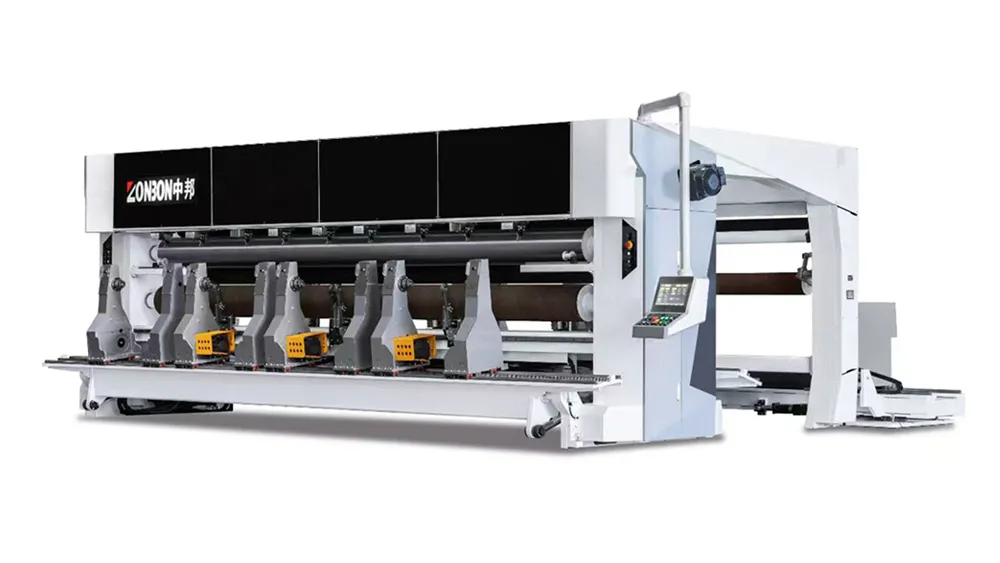
Explore slitting machines designed for film, paper, foil, tape, ribbon, and thermal paper converting. Ideal for manufacturers processing roll materials in packaging, label, printing, and industrial production.
Explore bag making machines designed for plastic bags, food packaging bags, garbage bags, ziplock bags, and non woven bags. Suitable for flexible packaging and industrial bag production.
Discover rewinding and inspection machines for labels and film. Slitting, rewinding, and defect detection for reliable quality control.
Explore cross cutting machines designed for paper rolls, labels, and flexible materials. Ideal for roll-to-sheet converting, copy paper production, packaging materials processing, and industrial cutting applications.
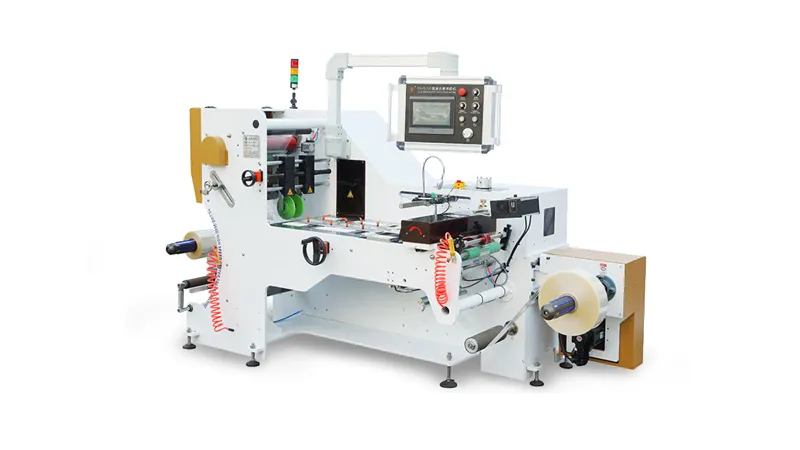
Explore shrink sleeve seaming machines designed for PVC and PET sleeve label production. Suitable for beverage labels, packaging sleeves, and roll-to-tube sleeve forming with stable sealing performance.
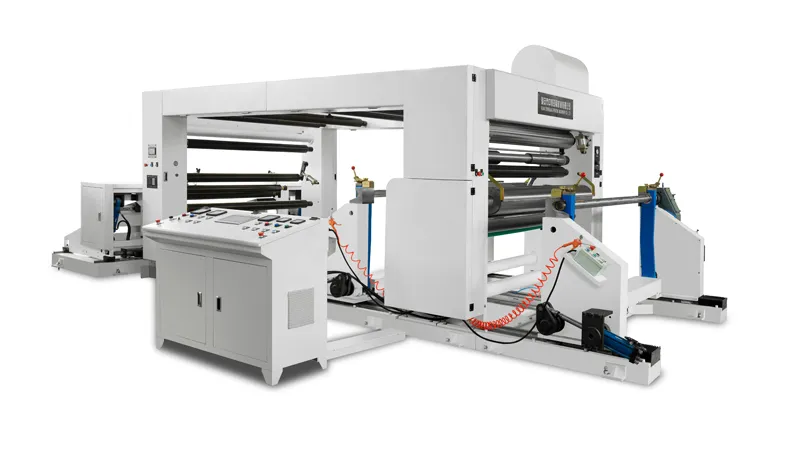
Explore industrial coating machines designed for water based coatings, solvent coatings, and adhesive coatings used in packaging, printing, paper processing, and film production industries.
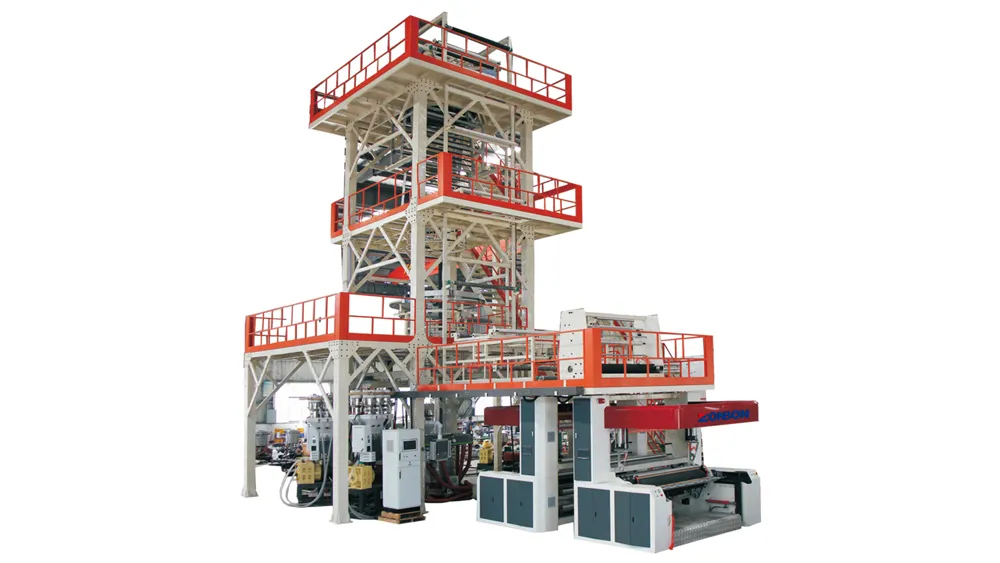
Explore blown film machines designed for PE, PP, PVC, and POF film production. Suitable for packaging film, shopping bag film, agricultural film, shrink film, and industrial plastic film manufacturing.
With more than 18 years of experience in slitting and rewinding technology, ZONBON Machinery helps converters, distributors, packaging manufacturers, and industrial processors select the right slitting solutions for their production requirements.
Choosing the wrong slitting machine can lead to material waste, unstable rewinding, poor slit quality, production downtime, and unnecessary operating costs. Our team works closely with customers worldwide to evaluate material characteristics, production volumes, slit width requirements, roll specifications, and automation needs before recommending the most suitable solution.
Whether you process flexible packaging films, paper rolls, aluminum foil, self-adhesive labels, adhesive tapes, thermal paper, ribbons, or specialty industrial materials, ZONBON provides practical slitting and rewinding solutions designed to improve production efficiency, reduce waste, and maintain consistent finished roll quality.
From machine selection and technical consultation to installation support and production optimization, we help buyers reduce investment risks and achieve long-term production success.
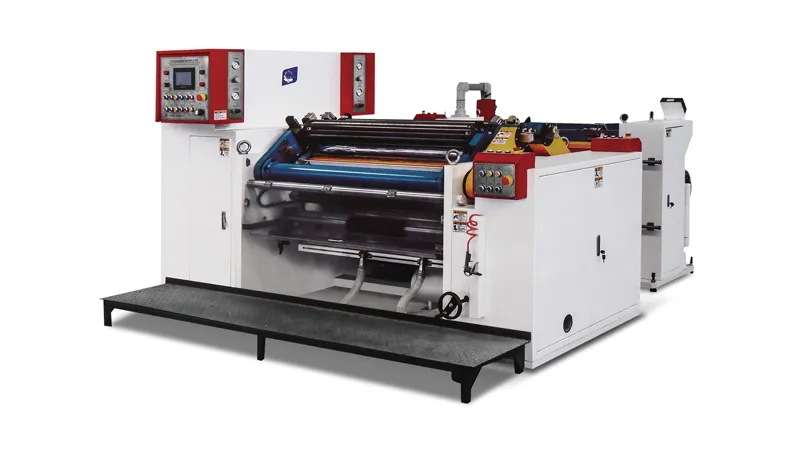

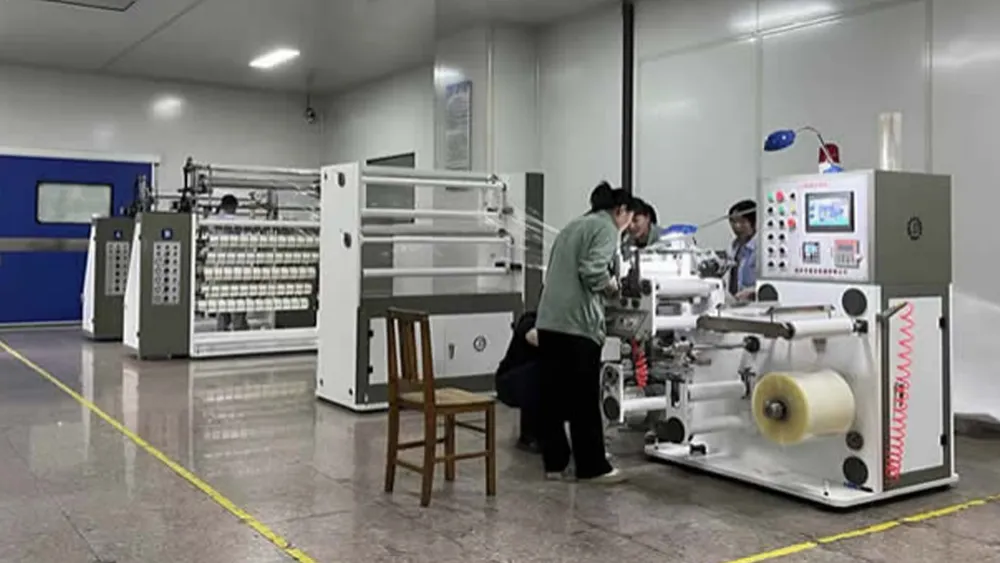
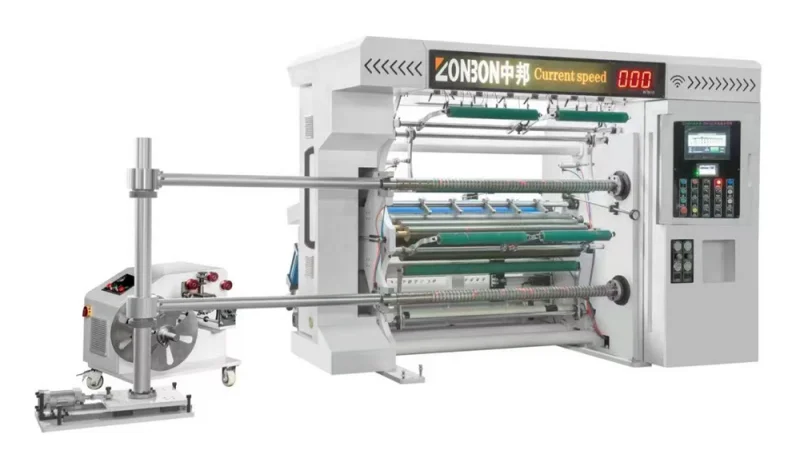
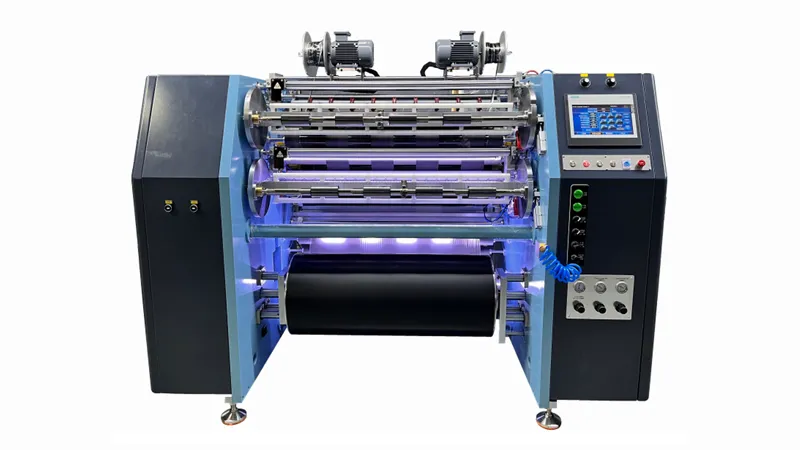
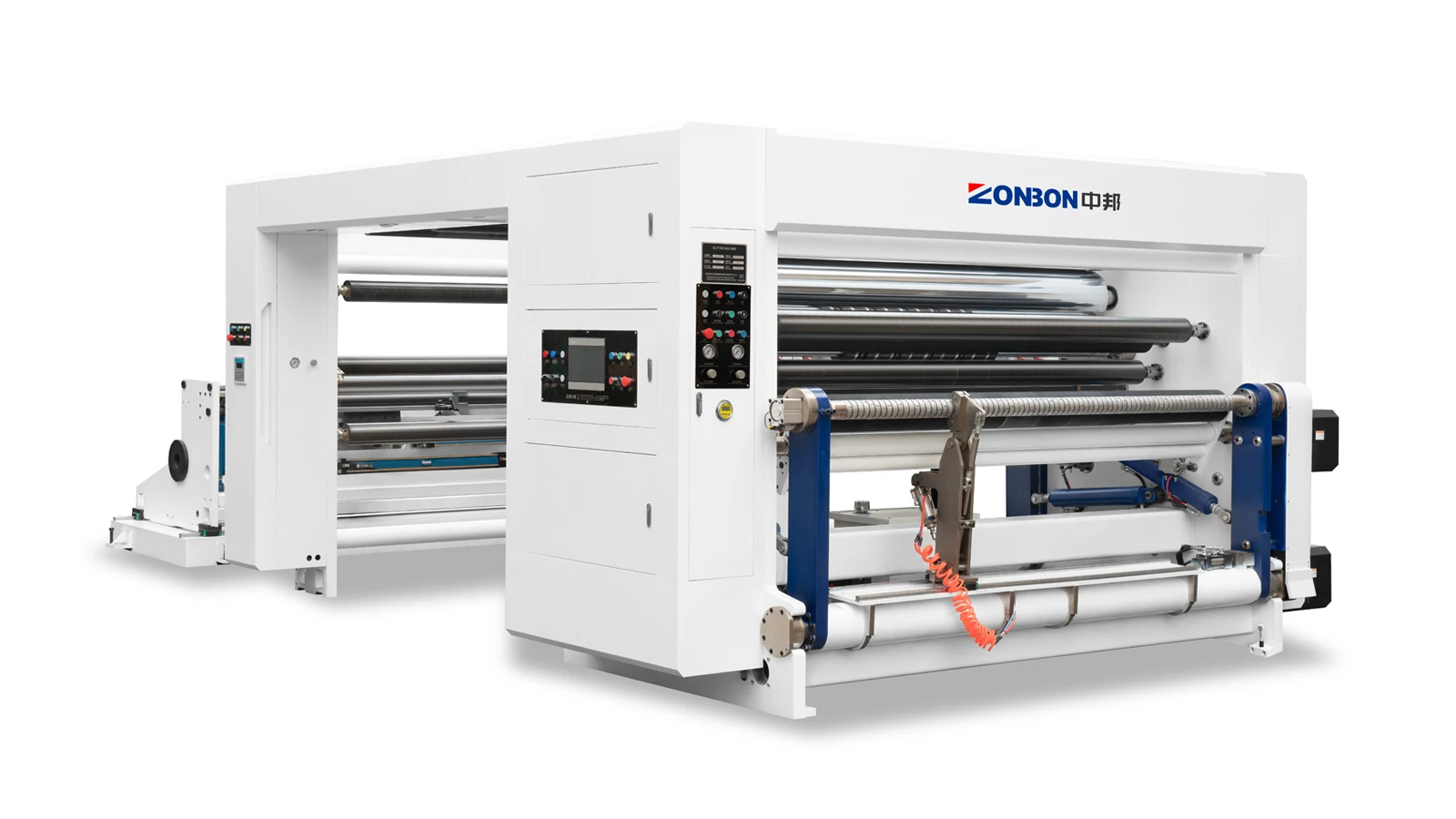
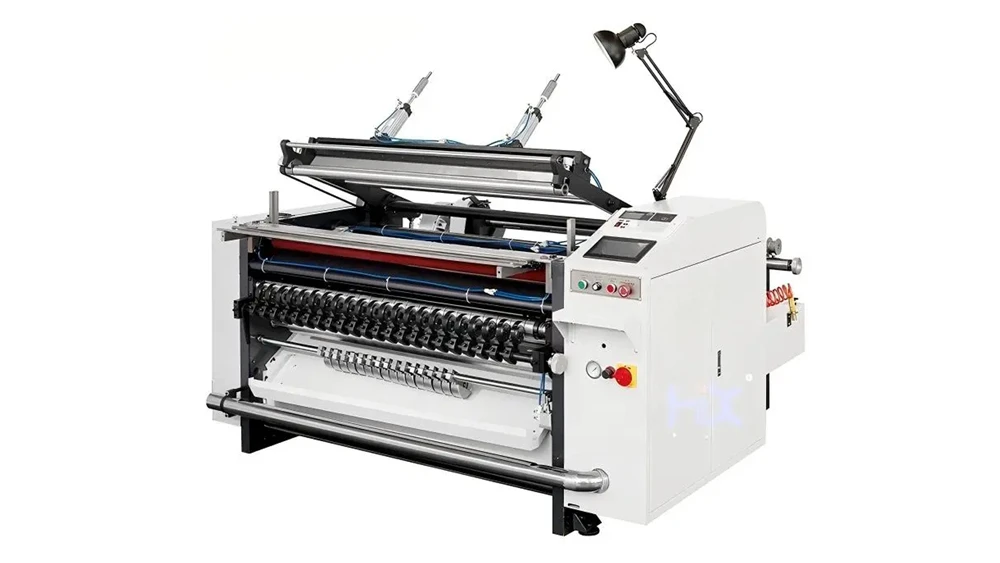
Choosing industrial packaging machinery is not just about machine price. It depends on your substrate, product structure, production target, automation level, and long-term expansion plan. The guide below highlights the key factors packaging manufacturers usually evaluate before selecting printing and converting equipment.
Different substrates require different printing, drying, web handling, and tension control solutions. Before selecting equipment, define the main materials you plan to process, such as:
If you are working with film and flexible packaging substrates, you can explore our Flexo Printing Machines for roll-to-roll printing applications.
Different production goals require different equipment types. Some customers need high-quality printing, while others focus on lamination, slitting, or inspection.
You can compare our Rotogravure Printing Machines, Laminating Machines, and Slitting Machines based on your production workflow.
Production volume is one of the most important selection factors. Choosing a machine that is too small can limit growth, while an oversized system may increase investment pressure.
Stable output depends on selecting equipment with a practical configuration, not simply the highest theoretical speed.
The right machine must match your final product requirements, especially for high-value packaging and label applications.
If your production involves more precise label or narrow web work, you may also want to review our Rewinding & Inspection Machines and related converting solutions.
Equipment selection should also take into account your available workshop conditions and installation environment.
If you are still defining your overall workflow, our Applications page can help you understand how different machine categories fit different packaging products and production processes.
Reliable technical support is essential for long-term machine performance. Packaging manufacturers usually evaluate:
You can also visit our Resource Center and Services pages to understand the documentation and support available after delivery.
Tell us your substrate type, product structure, printing width, target speed, and expected output. Our engineering team will recommend a suitable machine configuration for your production line.
Our slitting machine models are designed for manufacturers processing a wide range of roll materials including plastic films, packaging paper, aluminum foil, adhesive tapes, ribbons, thermal paper, and specialty industrial substrates. These machines help convert large master rolls into finished rolls with accurate width control and stable rewinding performance.
Different slitting machine configurations are available depending on material type, roll width, thickness, slitting precision, and production speed requirements. Below you can explore machine models developed for film slitting, paper converting, foil processing, tape manufacturing, ribbon production, and other roll material applications.
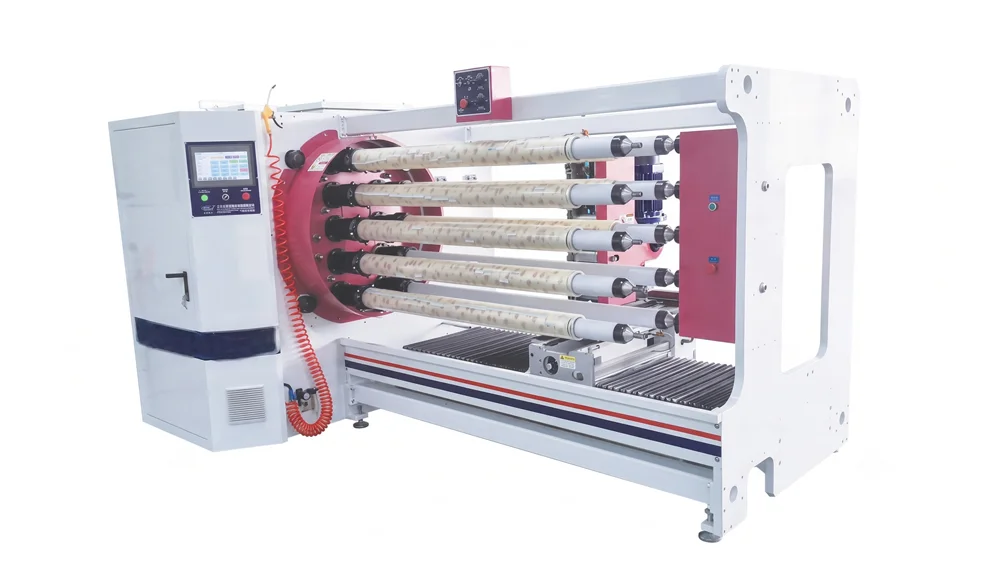
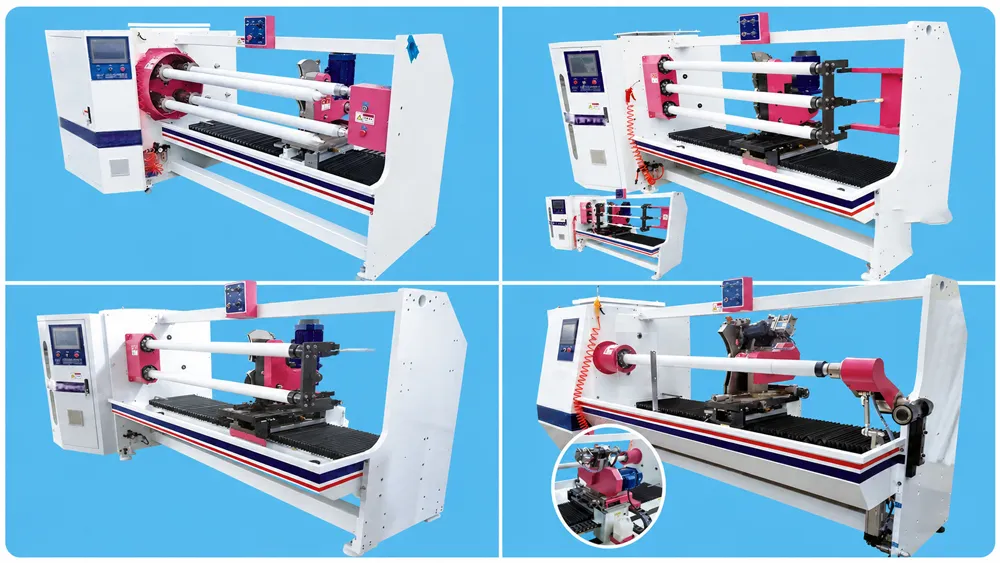
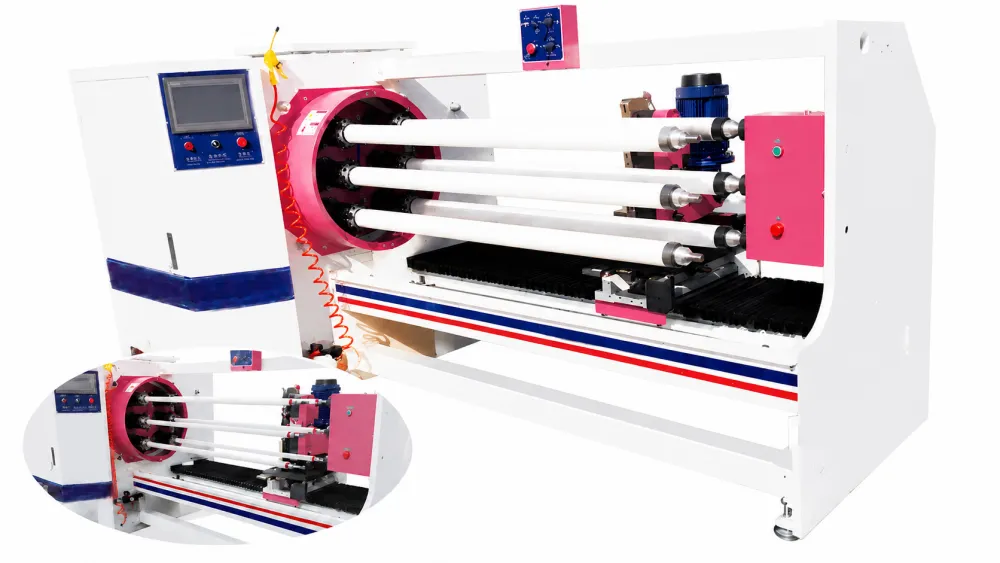
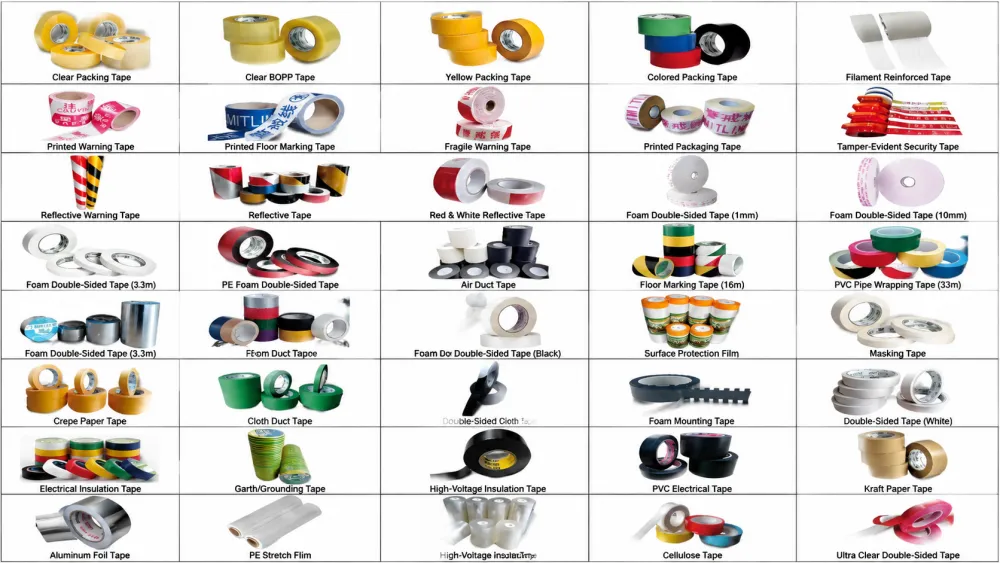
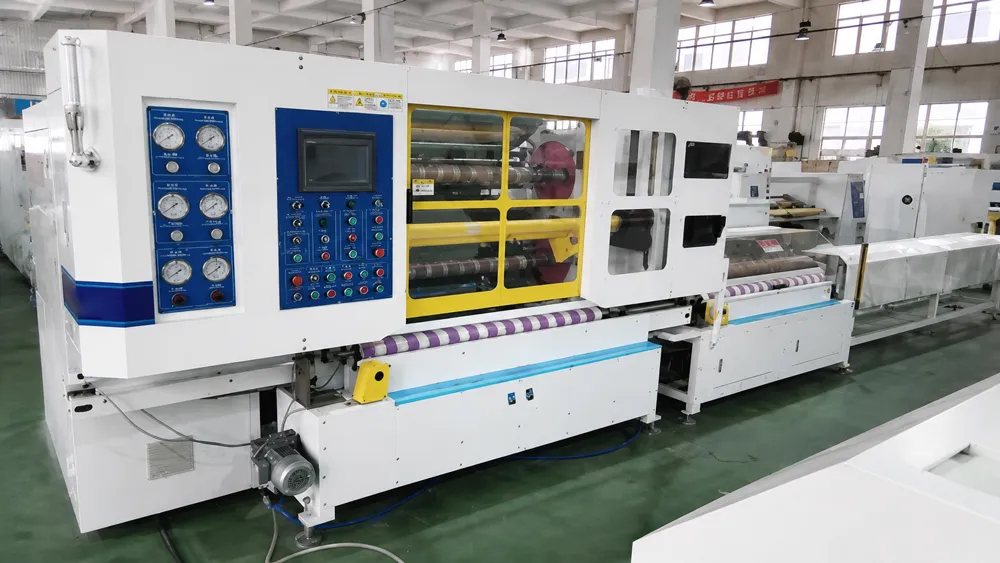
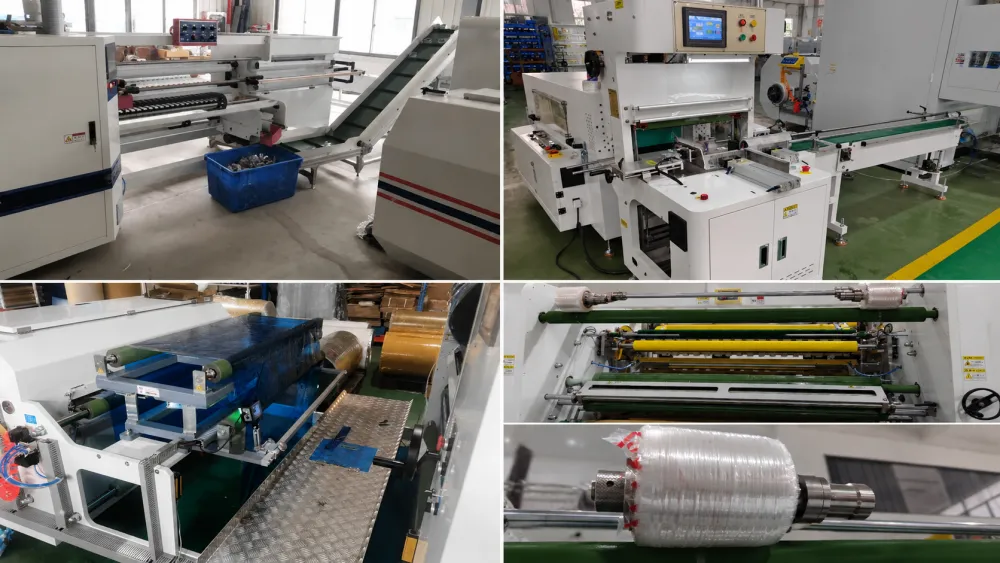
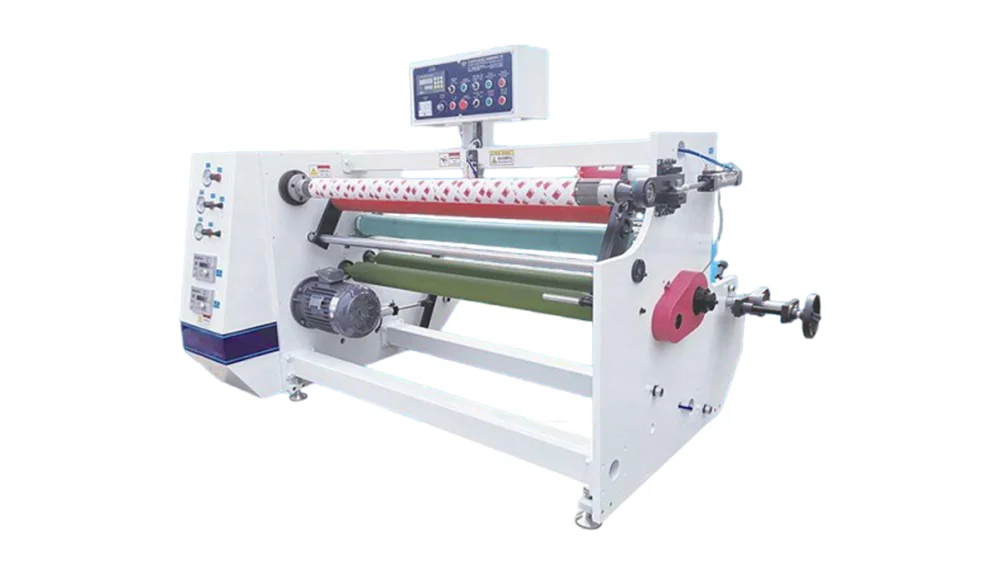
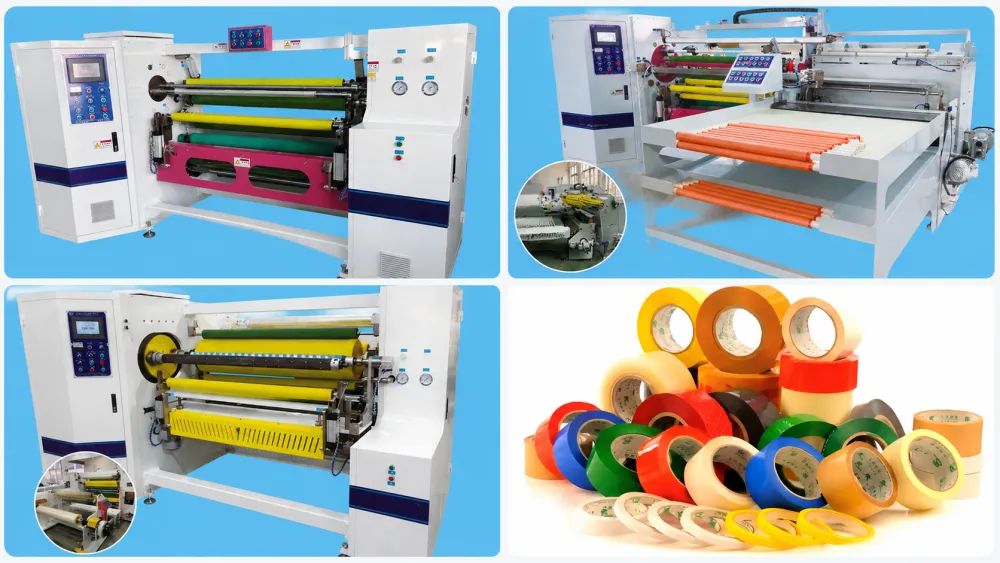
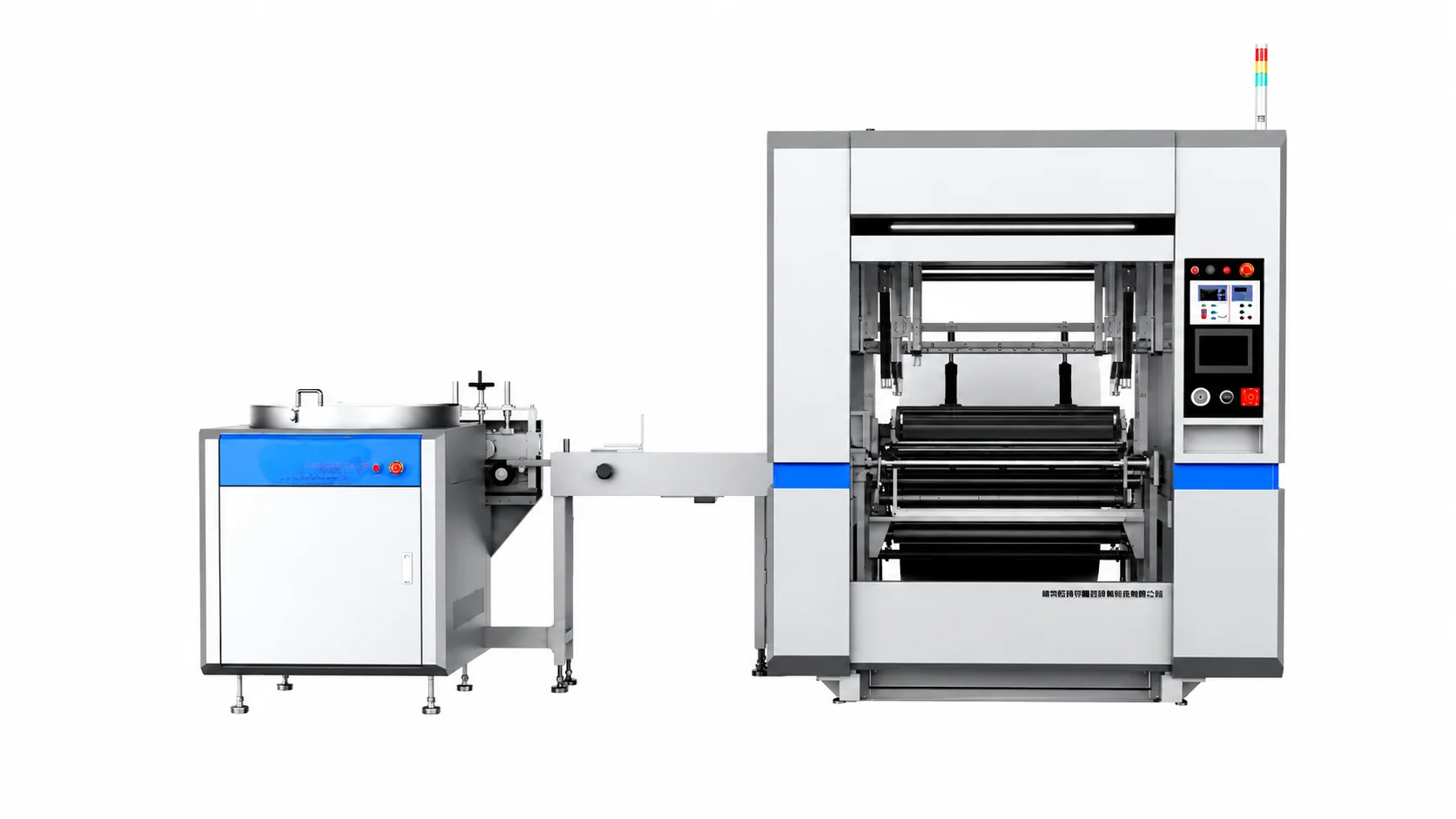
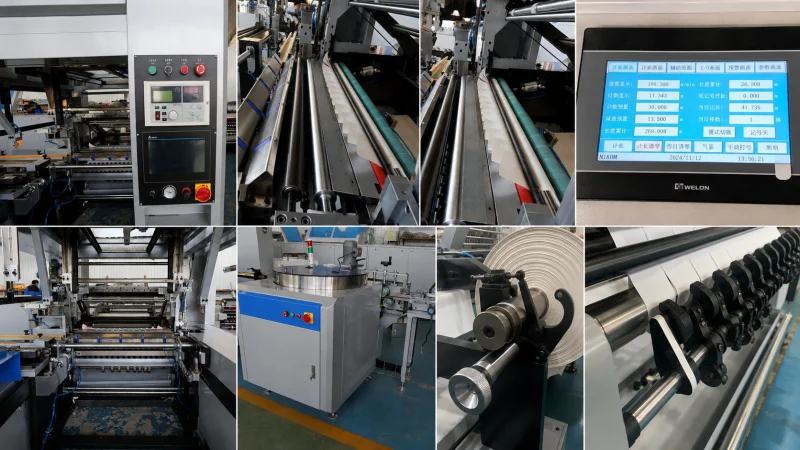
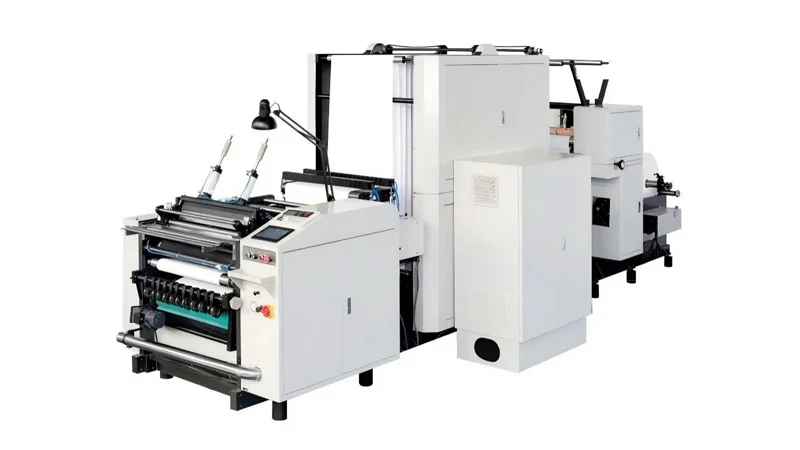
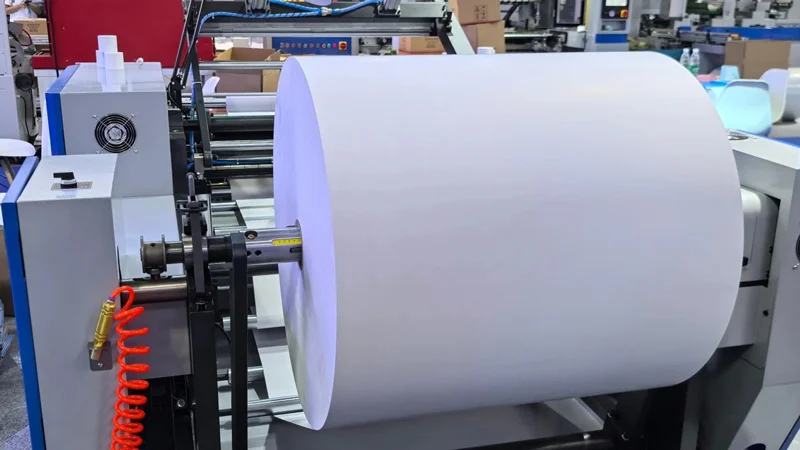
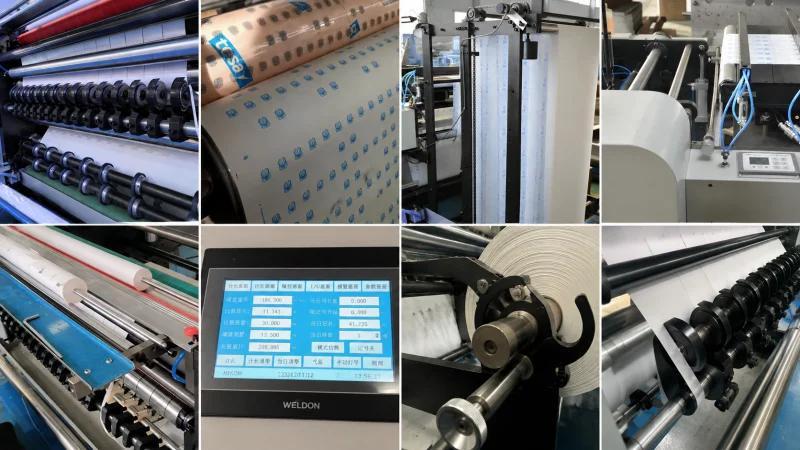
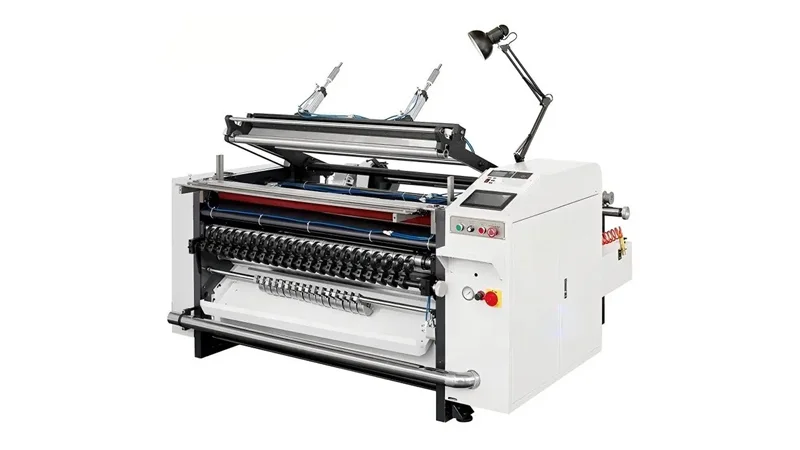
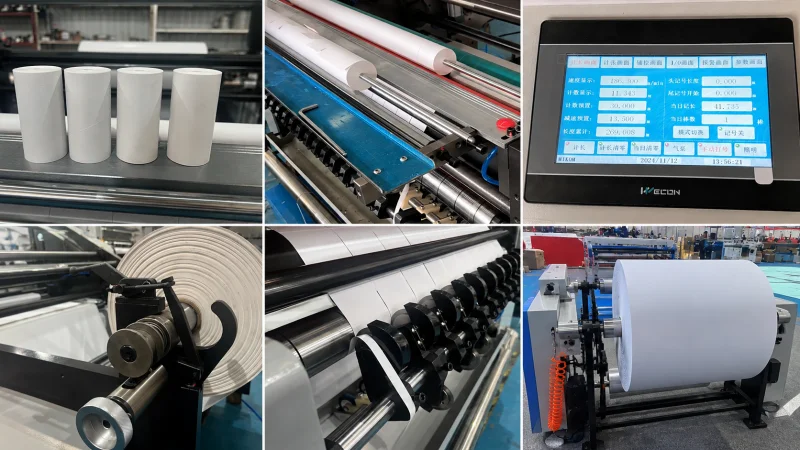
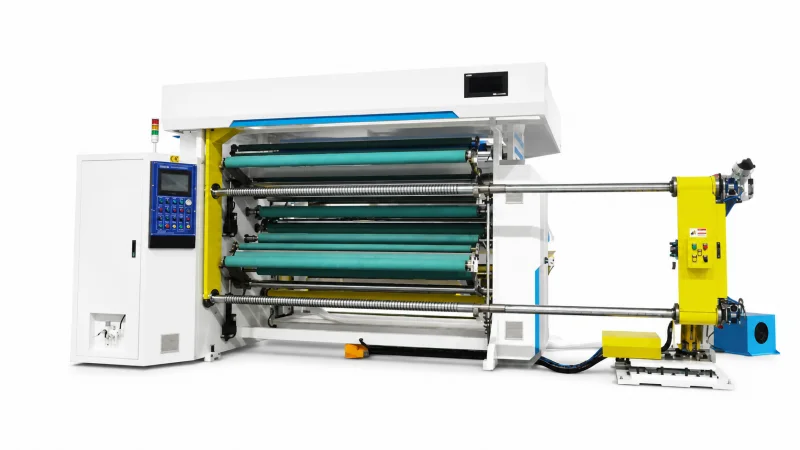
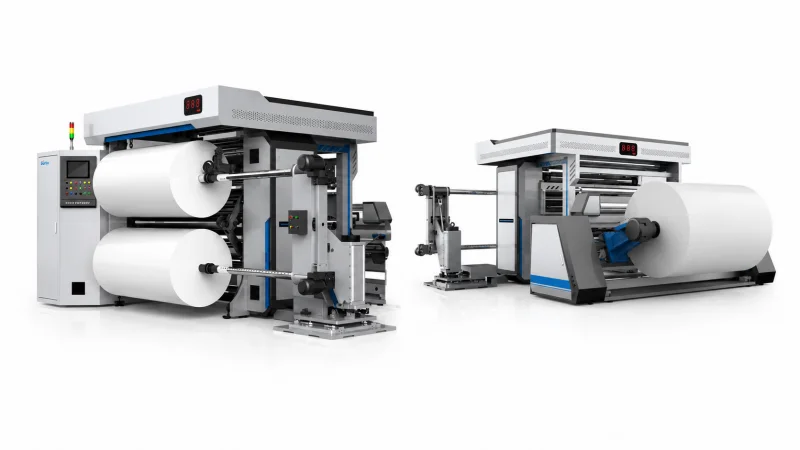
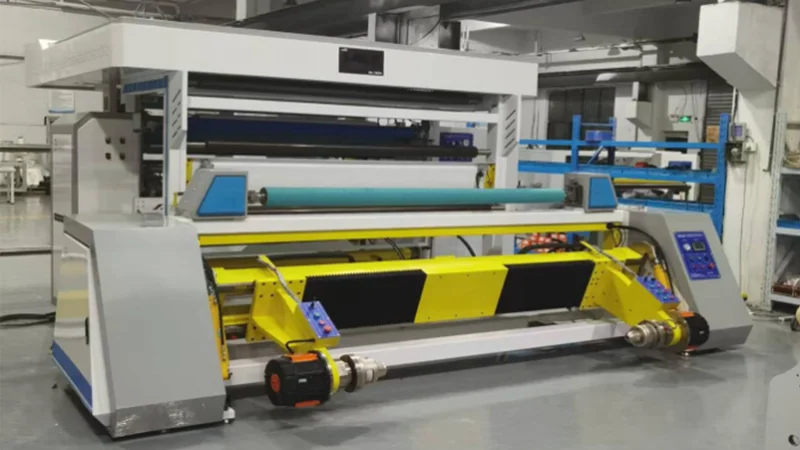
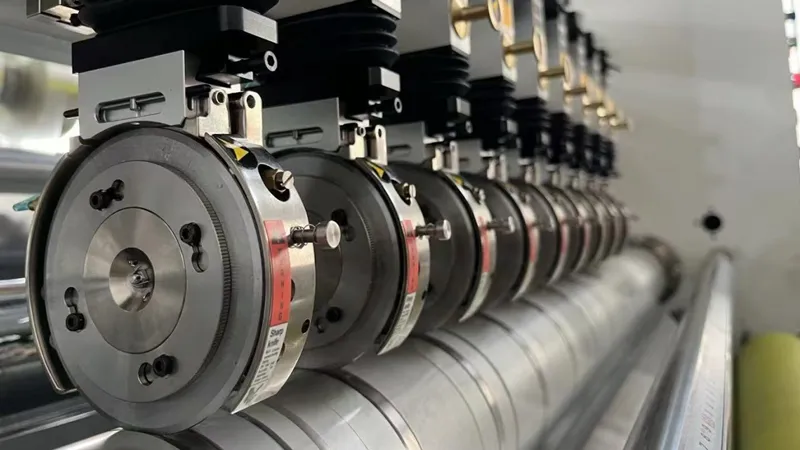
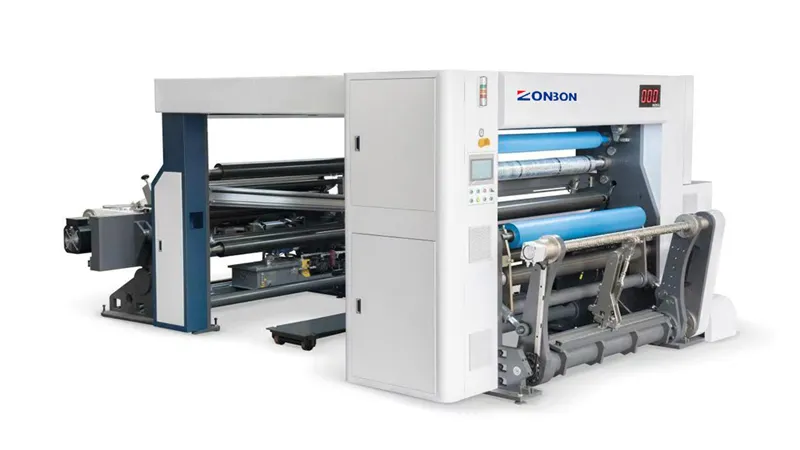
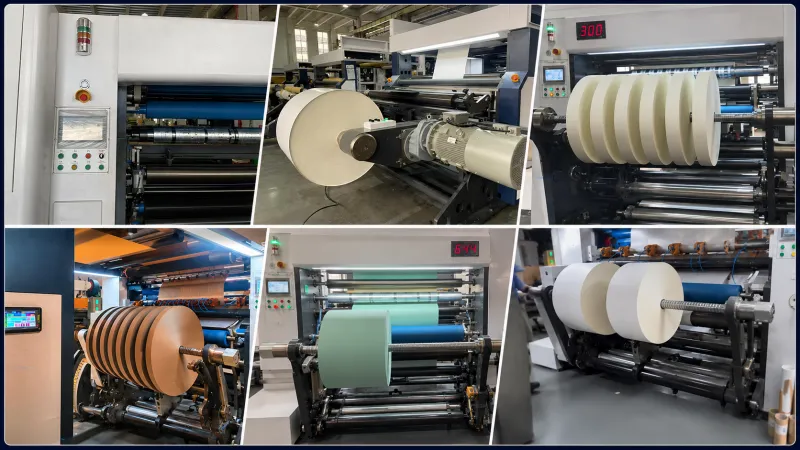
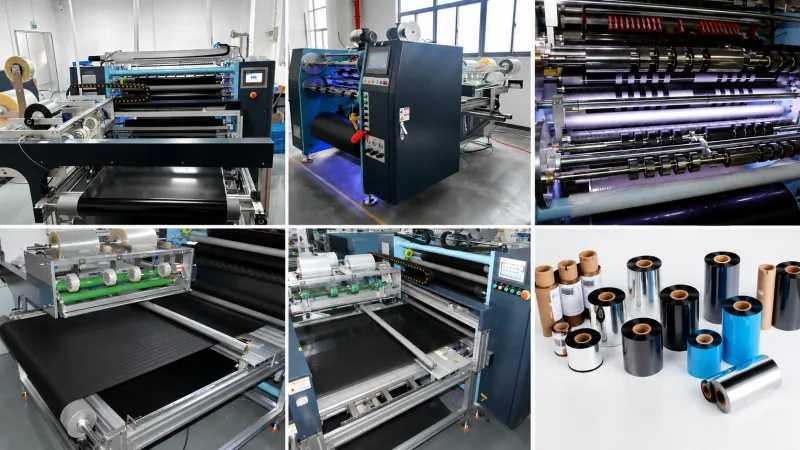
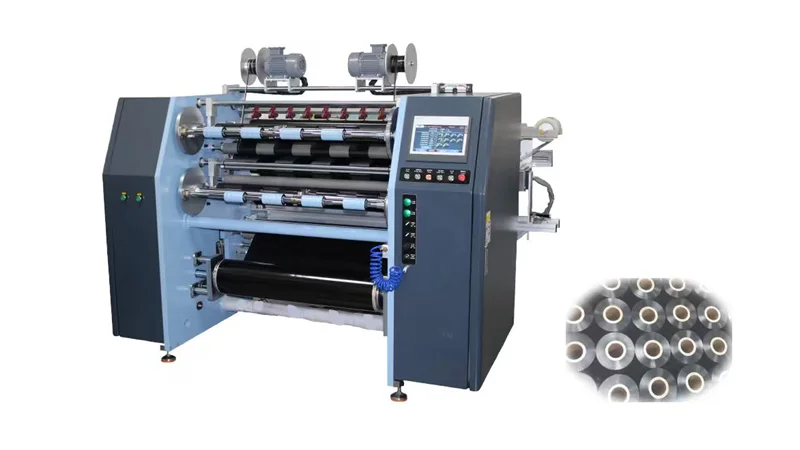
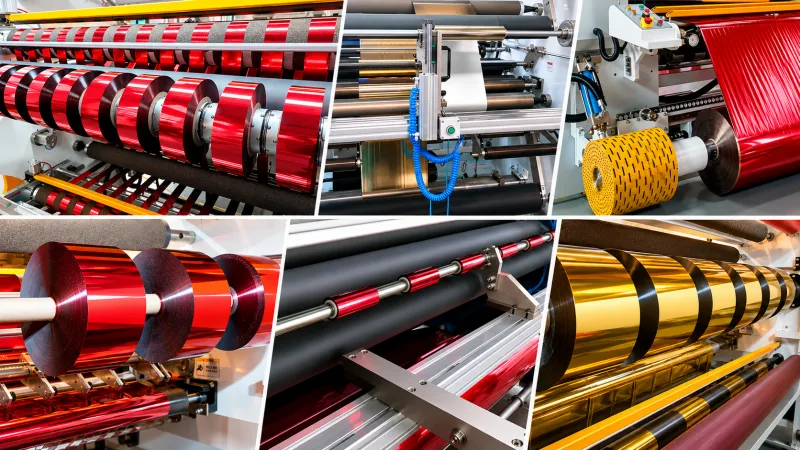
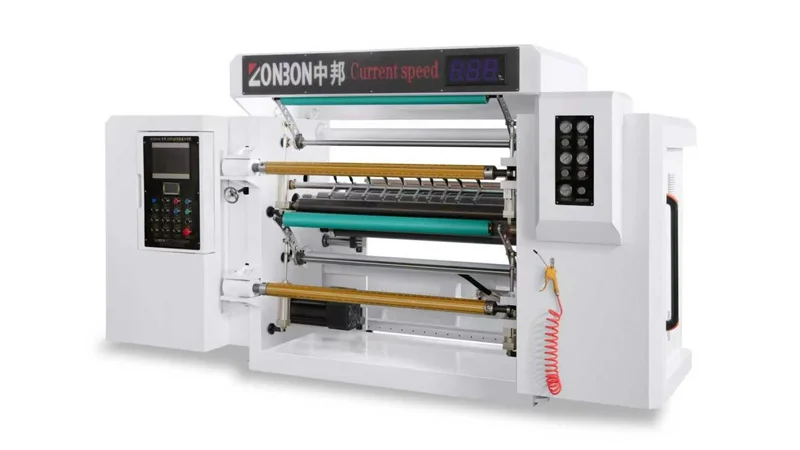
Slitting machines are widely used in converting industries to cut large master rolls into smaller finished rolls with accurate width control and clean edge quality. These machines support many applications across flexible packaging, paper converting, foil processing, tape manufacturing, printing materials, and industrial roll material production.


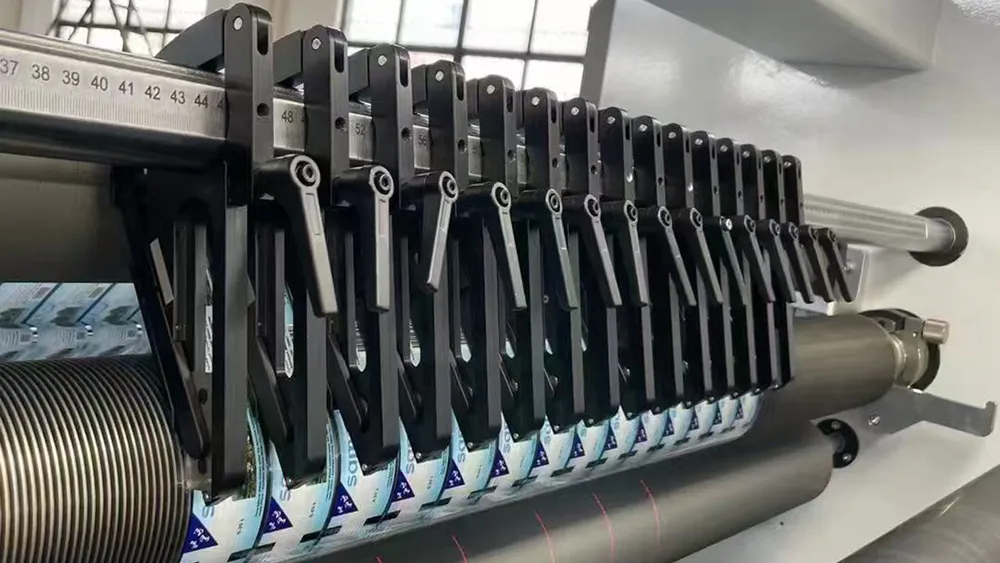

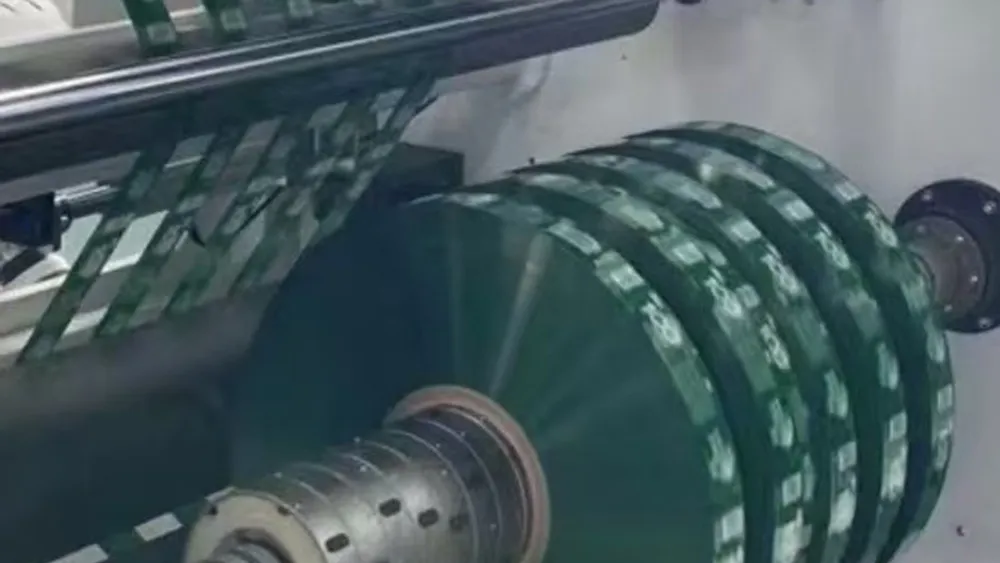
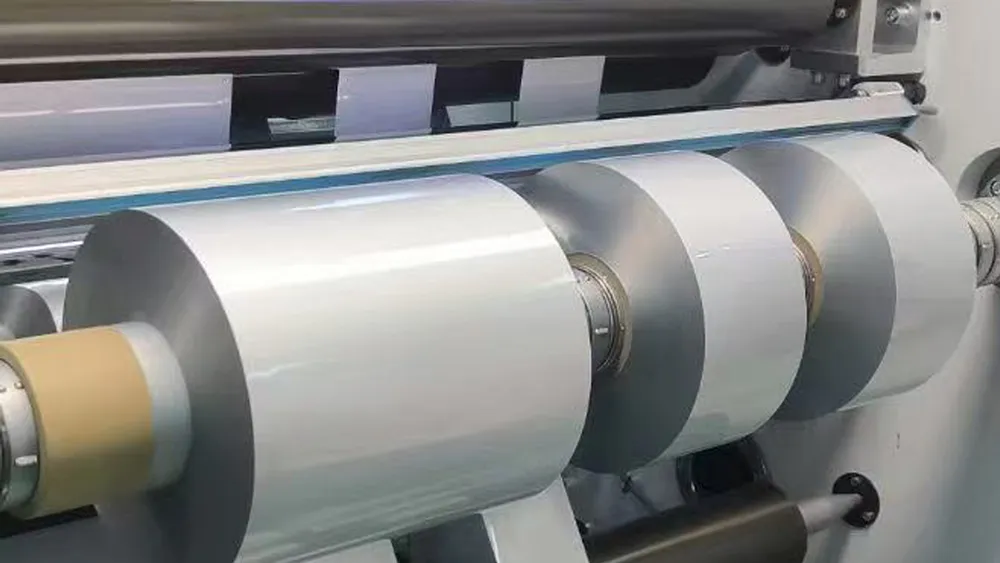
Slitting machines are widely used in converting industries to cut large master rolls into smaller rolls with precise width control and smooth edge quality. These machines support a wide range of roll materials including plastic films, paper rolls, aluminum foil, adhesive tapes, ribbons, and specialty industrial materials used in packaging, labeling, printing, and industrial production.
Plastic films such as BOPP, PET, and PE are commonly slit in flexible packaging production. Slitting machines help convert wide master rolls into narrower rolls used for pouch making, bag production, and laminated packaging materials.
Paper rolls such as kraft paper, coated paper, and packaging paper are widely processed by slitting machines. Accurate slitting ensures clean edges and stable roll rewinding for printing, packaging, and paper converting industries.
Aluminum foil and foil-laminated materials require precise slitting to avoid edge damage and maintain roll quality. Slitting machines are widely used for foil materials used in food packaging, pharmaceutical packaging, and industrial barrier materials.
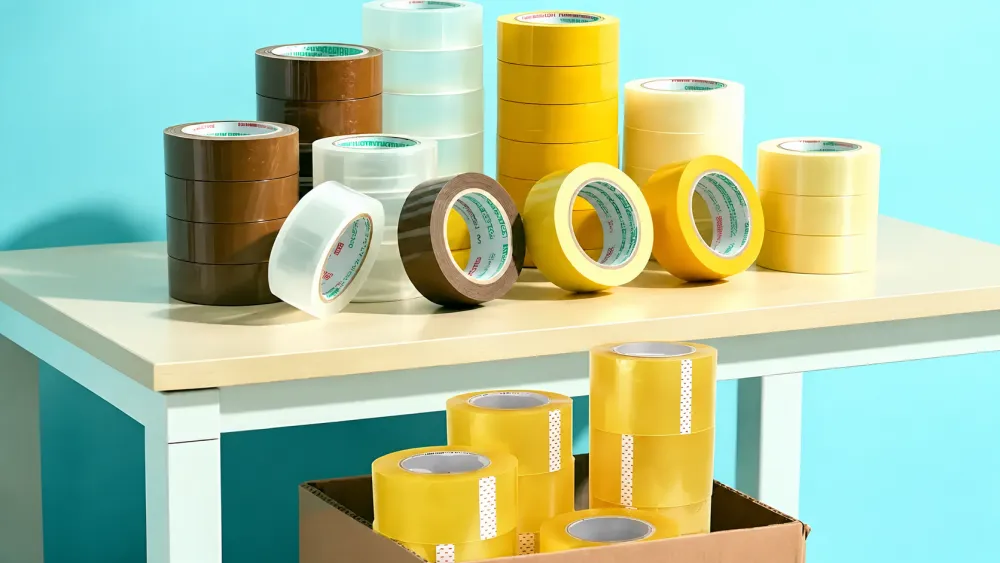
Adhesive materials such as pressure-sensitive tapes and label stick are commonly slit into narrow rolls for industrial and consumer applications. Slitting machines help ensure consistent roll widths and clean edges for adhesive products.
Thermal paper and other printing rolls require precise slitting to produce POS rolls, ATM rolls, and receipt paper. Slitting machines ensure accurate width control and stable rewinding performance for printing materials.
Specialty roll materials such as thermal transfer ribbon, hot stamping foil, and decorative films require stable tension control and precision slitting. Slitting machines help produce narrow rolls used in printing, packaging decoration, and industrial applications.
Tell us your material type, roll width, thickness, and required finished roll size. Our engineers can recommend the most suitable slitting machine configuration for your converting production.
Different slitting technologies are designed for different materials, edge quality requirements, production speeds, and converting processes. The comparison below helps packaging converters, paper processors, label manufacturers, and industrial roll material producers understand the main differences between razor slitting, shear slitting, and crush slitting when selecting slitting equipment.
The slitting method directly affects edge quality, dust generation, roll stability, blade life, production speed, and the suitability of the finished roll for downstream processes. Choosing the right slitting system helps reduce waste, improve roll consistency, and support efficient long-term converting production.
Converters normally compare slitting methods based on substrate type, thickness, edge requirements, final product use, line speed, and operating cost. There is no single slitting solution for every material. The best configuration depends on the characteristics of the roll material and the precision required in production.
Thin plastic films, printed films, and some laminated structures often require a slitting setup that balances speed, edge condition, and web stability.
Explore Film Slitting MachinesPaper converting often requires stable roll tension, practical slitting performance, and clean finished rolls for printing, packaging, and POS applications.
Explore Roll Paper Slitting MachinesFoil materials, adhesive tapes, ribbons, and specialty industrial webs may require different knife systems depending on edge sensitivity and material behavior.
Explore Foil Slitting MachinesIn real production, the most suitable slitting method depends on material thickness, roll tension behavior, edge quality requirements, finished roll dimensions, and downstream processing needs. Many converters evaluate substrate samples before deciding which slitting configuration is best for their application.
Tell us your material type, thickness, roll width, finished roll size, and production requirements. We will help you compare razor slitting, shear slitting, and crush slitting and recommend a suitable slitting machine configuration.
Packaging machinery investment requires reliable engineering, stable machine performance, and long-term technical support. ZonBon Machinery helps packaging manufacturers build efficient production systems with practical equipment solutions and manufacturer-direct service.
Our engineering team has more than 20 years of experience in flexible packaging machinery, covering flexo printing machines, rotogravure printing machines, laminating machines, and slitting machines.
We design and recommend machines according to substrate types, printing processes, production capacity, and packaging applications to ensure equipment matches real factory production needs.
Equipment can be configured for different printing widths, color units, drying systems, and automation levels to support various packaging and converting production lines.
As a machinery manufacturer located in Wenzhou, China, we control the entire production process from mechanical design and machining to final assembly and testing.
Each machine is tested before delivery to verify stable running speed, accurate tension control, and consistent production performance under simulated working conditions.
We provide technical consultation, installation guidance, operator training, spare parts supply, and long-term after-sales support for customers worldwide.
ZonBon Machinery supports packaging manufacturers worldwide with reliable flexible packaging machinery. Our flexo printing machines, rotogravure printing presses, laminating machines, slitting machines, and inspection equipment are exported to global markets with engineering-driven project support.

Manufacturer location: Wenzhou, Zhejiang, China. Remote acceptance and export delivery support available.
From consultation and configuration planning to factory acceptance testing (FAT), export packing, installation guidance, and operator training, we help customers reduce project risks and reach stable production faster.
Explore expert guides, technical insights, and industry knowledge related to Slitting Machines. Our knowledge hub covers machine selection, printing technologies, material compatibility, maintenance tips, and production optimization to help packaging manufacturers make informed equipment decisions.
Whether you are researching equipment before purchasing or looking to improve production performance, these articles provide practical information about flexographic printing processes, machine configurations, and real-world packaging applications.
Learn how to choose an adhesive tape slitting machine for BOPP packing tape, stationery tape, masking tape, double-sided tape, and industrial tapes. Compare key configurations, rewinding systems, and buying considerations.
Looking for the right slitting machine manufacturer? Compare leading global brands, OEM suppliers, and converting specialists for film, paper, foil, label, and flexible packaging production.
Learn how to choose the right slitting machine based on material type, including film, paper, foil, labels, and adhesive tape. Compare key machine features and buying factors.
Learn how to reduce waste in slitting and rewinding through better tension control, knife selection, rewinding stability, and machine setup.
Learn how to choose the right slitting machine manufacturer for film, paper, foil, tape, and ribbon converting. Compare machine types, pricing, and key buying factors.
Slitting Machine Buying Guide (2026) | How to Choose the Right Slitter Rewinder
Learn essential slitting machine safety practices, including startup inspections, knife replacement, roll handling, emergency procedures, and daily operator safety checklists to reduce accidents and improve production efficiency.
Follow this slitting machine maintenance checklist to reduce downtime, improve rewinding quality, extend machine life, and keep film, paper, foil, and label converting operations running efficiently.
Learn how differential shafts improve rewinding quality in slitting machines, reduce telescoping rolls, balance tension across multiple rolls, and help converters reduce waste and improve productivity.
Learn how to choose a label slitting machine for self-adhesive labels, including paper labels, PP labels, PET labels, thermal labels, rewinding quality, and production efficiency.
A slitting machine is a converting machine used to cut large master rolls into narrower rolls with precise width control. It is widely used in industries such as flexible packaging, label production, paper converting, aluminum foil processing, adhesive tape manufacturing, and thermal paper production.
Slitting machines can process many roll materials including BOPP film, PET film, PE film, laminated packaging films, kraft paper, coated paper, aluminum foil, adhesive tapes, ribbons, and thermal paper rolls. The correct machine configuration depends on material thickness, width, and required slitting precision.
The most common slitting methods include razor slitting, shear slitting, and crush (score) slitting. Each method is suitable for different materials and edge quality requirements. For example, shear slitting is often used when cleaner edges are required for film and foil materials.
Slitting machines are widely used in industries such as flexible packaging manufacturing, label converting, paper processing, foil packaging production, adhesive tape manufacturing, printing materials production, and industrial roll material processing.
Choosing the right slitting machine depends on several factors including material type, roll width, thickness, required finished roll size, slitting precision, and production speed. Understanding these parameters helps determine the most suitable slitting configuration for stable and efficient converting production.
Slitting quality is influenced by factors such as blade type, slitting method, web tension control, material properties, and machine stability. Proper setup and the correct slitting technology help ensure clean edges, minimal dust generation, and consistent finished roll quality.
Yes. Slitting machines can be customized based on material type, slitting width, rewinding structure, tension control system, blade configuration, and production speed requirements. Custom configurations help manufacturers adapt the machine to specific converting processes.
Yes. We provide support including machine testing before shipment, installation guidance, operator training, remote technical assistance, and spare parts supply to help customers maintain stable and efficient slitting production.