





Slitting Machine Safety Guide for Operators: Best Practices to Prevent Accidents
Why Operator Safety Matters in Slitting Operations
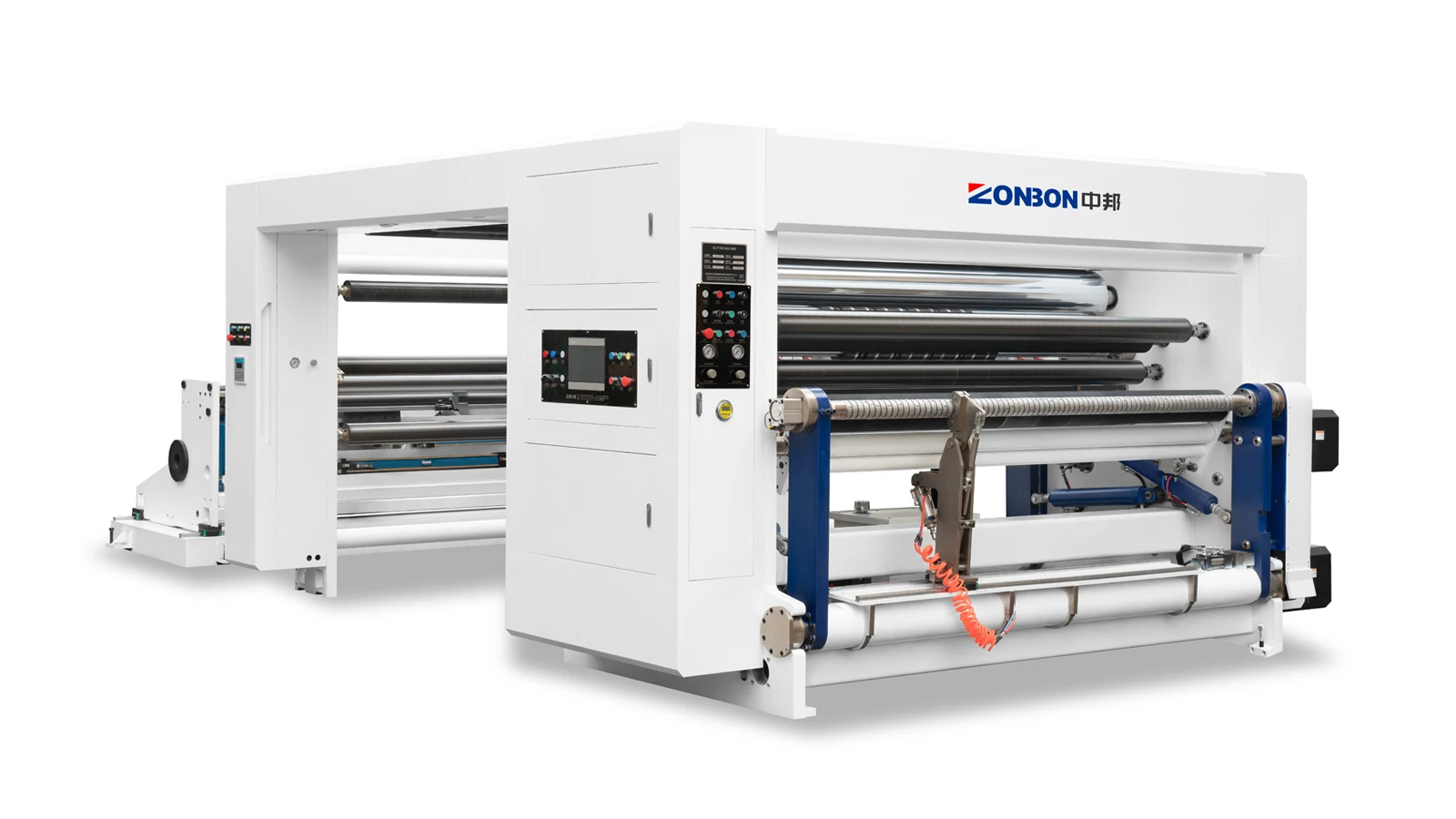
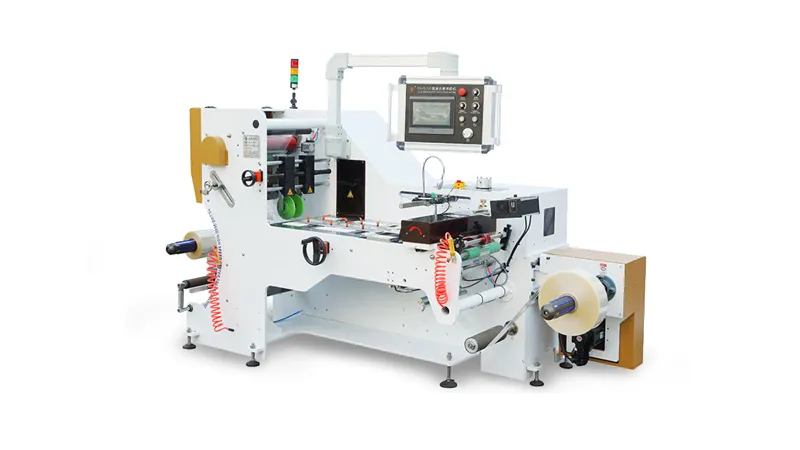
Modern slitting machines are designed to process films, paper, aluminum foil, labels, adhesive tapes, and many other roll materials at high speed with excellent precision. While these machines improve production efficiency, they also involve rotating shafts, sharp slitting knives, pneumatic systems, and heavy master rolls that require safe operating practices.
Many workplace accidents are not caused by equipment failure but by unsafe operating habits, insufficient training, skipped inspections, or improper maintenance procedures. Establishing standardized operating practices helps protect employees while improving machine reliability and production consistency.
This guide outlines practical safety recommendations for operators, production supervisors, and maintenance personnel involved in slitting and rewinding operations.
Understand the Main Safety Risks Before Operating
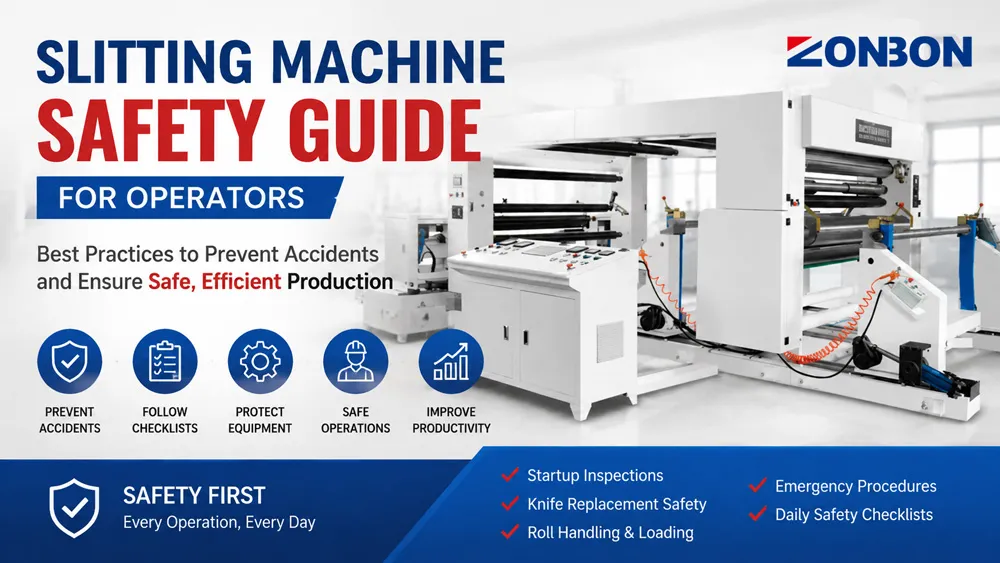
Before operating any slitting machine, personnel should understand where potential hazards exist.
| Potential Risk | Typical Cause | Recommended Prevention |
|---|---|---|
| Knife injuries | Improper blade replacement | Use protective gloves and follow lockout procedures |
| Roll handling injuries | Incorrect lifting of heavy master rolls | Use lifting equipment and approved handling methods |
| Entanglement | Loose clothing or gloves near rotating shafts | Wear fitted work clothing and avoid loose accessories |
| Unexpected machine movement | Maintenance performed without isolation | Apply Lockout/Tagout (LOTO) procedures |
| Slip and trip hazards | Film scraps, paper dust, or packaging materials | Keep the work area clean throughout production |
Pre-Start Safety Inspection Checklist
Operators should perform a quick inspection before every production shift.
- Confirm emergency stop buttons function correctly.
- Check that all machine guards are installed securely.
- Inspect slitting knives for damage or excessive wear.
- Verify air pressure and pneumatic systems.
- Ensure rewind shafts and cores are correctly installed.
- Remove leftover material from previous production runs.
- Confirm the work area is free from unnecessary tools and debris.
Completing these checks helps identify potential problems before production begins and reduces unnecessary downtime.
Safe Practices During Machine Operation
Once production starts, operators should avoid making unnecessary adjustments while the machine is running.
- Monitor web alignment continuously.
- Observe tension stability throughout production.
- Keep hands away from rotating rollers and shafts.
- Never bypass safety guards or interlock systems.
- Do not remove finished rolls until the machine has completely stopped.
- Report unusual vibration, noise, or tension fluctuations immediately.
Safe operation not only protects personnel but also helps maintain stable slitting quality.
Knife Replacement Safety
Blade replacement is one of the highest-risk maintenance tasks in slitting operations.
Before replacing slitting knives:
- Completely stop the machine.
- Disconnect electrical and pneumatic power where required.
- Follow approved Lockout/Tagout procedures.
- Wear cut-resistant gloves.
- Use the correct tools for blade removal.
- Dispose of used blades safely.
After installation, verify blade alignment before restarting production.
Safe Handling of Jumbo Rolls
Master rolls used in film, paper, foil, and tape converting can weigh hundreds or even thousands of kilograms.
Improper roll handling increases the risk of equipment damage and personal injury.
Recommended practices include:
- Use overhead cranes or approved lifting equipment.
- Inspect lifting devices before use.
- Ensure shafts are fully engaged before lifting.
- Never stand beneath suspended rolls.
- Secure rolls before removing lifting equipment.
Lockout/Tagout (LOTO) During Maintenance
Routine maintenance should never be performed while the machine remains energized.
A proper Lockout/Tagout procedure helps prevent unexpected machine movement during maintenance.
Typical LOTO steps include:
- Shut down the machine completely.
- Disconnect electrical power.
- Release stored pneumatic pressure.
- Apply approved lockout devices.
- Attach warning tags.
- Verify zero energy before beginning maintenance.
Only authorized personnel should remove lockout devices after maintenance has been completed.
Daily Housekeeping Improves Safety
A clean production area helps reduce both accidents and machine problems.
Operators should regularly remove:
- Film scraps
- Paper dust
- Foil trimming waste
- Adhesive residue
- Unused cores
- Packaging materials
Good housekeeping also helps improve inspection efficiency and machine maintenance.
Common Operator Mistakes That Increase Risk
Many workplace incidents result from routine shortcuts rather than equipment defects.
- Operating with damaged safety guards.
- Adjusting knives while the machine is moving.
- Ignoring unusual machine noise.
- Using worn slitting knives.
- Skipping daily inspections.
- Allowing untrained personnel to operate the machine.
- Failing to wear appropriate personal protective equipment (PPE).
Developing standardized operating procedures helps eliminate these unnecessary risks.
Training Is One of the Best Safety Investments
Operator training should extend beyond machine startup procedures.
A comprehensive training program should include:
- Machine operating principles.
- Safe material loading.
- Knife replacement procedures.
- Emergency stop procedures.
- Routine inspections.
- Basic troubleshooting.
- Preventive maintenance awareness.
Well-trained operators are more likely to identify abnormal machine behavior before production quality or safety is affected.
Safety and Preventive Maintenance Work Together
Safe operation depends not only on operator behavior but also on machine condition.
Worn bearings, damaged rollers, loose mechanical components, and poor maintenance may increase vibration, reduce machine stability, and create additional safety risks.
Following a structured Slitting Machine Maintenance Checklist helps keep equipment operating safely while reducing unexpected downtime.
Understanding web tension control in slitter rewinder machines also helps operators recognize abnormal machine behavior before production defects or safety issues become more serious.
Building a Safer and More Productive Converting Operation
Effective safety management is not simply about preventing accidents. It also improves production efficiency, equipment reliability, product quality, and employee confidence.
When evaluating new slitting machines, buyers should consider safety features such as emergency stop systems, machine guarding, operator accessibility, maintenance convenience, and ergonomic design alongside production speed and automation.
A well-designed machine combined with proper operator training and preventive maintenance creates a safer working environment and supports long-term production success.
FAQ: Slitting Machine Safety Guide
What is the biggest safety risk when operating a slitting machine?
The most common risks include contact with rotating shafts, blade injuries during knife replacement, improper handling of heavy master rolls, and maintenance performed without proper machine isolation.
Why is Lockout/Tagout important during maintenance?
Lockout/Tagout prevents unexpected machine startup while maintenance is being performed, helping protect operators from serious injuries caused by moving components or stored energy.
How often should operators perform safety inspections?
Basic safety inspections should be completed before every production shift, while more comprehensive inspections should be included in routine preventive maintenance schedules.
What personal protective equipment should operators wear?
Depending on the application, operators should wear appropriate PPE such as safety glasses, cut-resistant gloves during blade handling, safety shoes, and fitted work clothing that cannot become entangled in moving equipment.
Can good maintenance improve machine safety?
Yes. Regular maintenance reduces mechanical wear, minimizes unexpected equipment failures, improves machine stability, and helps prevent many safety hazards associated with damaged or poorly maintained components.