Flexo Printing Machines
Explore flexo printing machines for flexible packaging, film, paper, and labels. Includes CI, stack, gearless, and inline presses for various production needs.

Explore flexo printing machines for flexible packaging, film, paper, and labels. Includes CI, stack, gearless, and inline presses for various production needs.
Discover rotogravure printing machines for flexible packaging and film printing. High-speed performance, consistent color, and stable production.
Explore industrial laminating machines for flexible packaging, plastic film, paper, and foil converting. Compare solventless, dry, extrusion, and hot melt laminating solutions for modern packaging production lines.
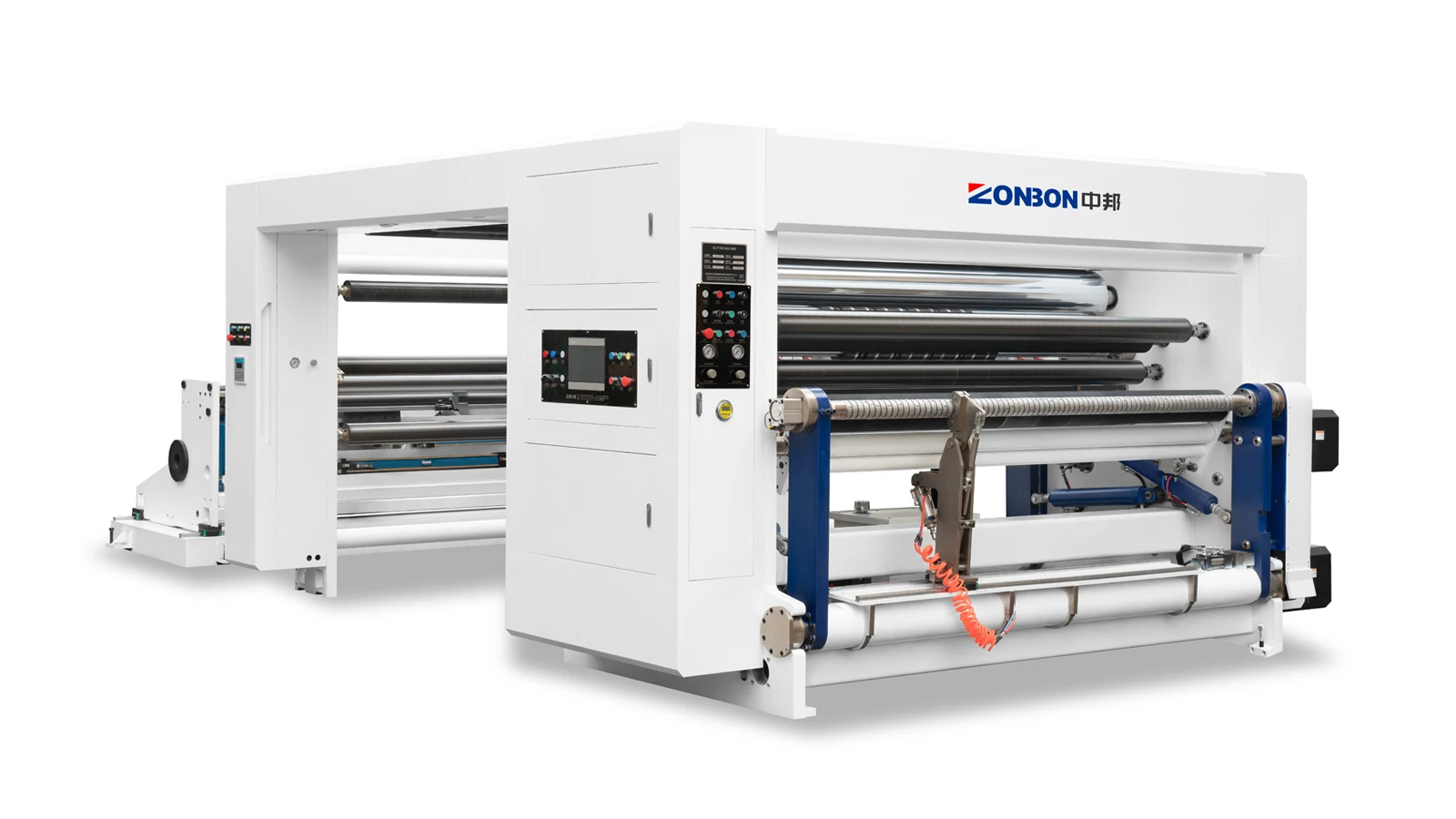
Explore slitting machines designed for film, paper, foil, tape, ribbon, and thermal paper converting. Ideal for manufacturers processing roll materials in packaging, label, printing, and industrial production.
Explore bag making machines designed for plastic bags, food packaging bags, garbage bags, ziplock bags, and non woven bags. Suitable for flexible packaging and industrial bag production.
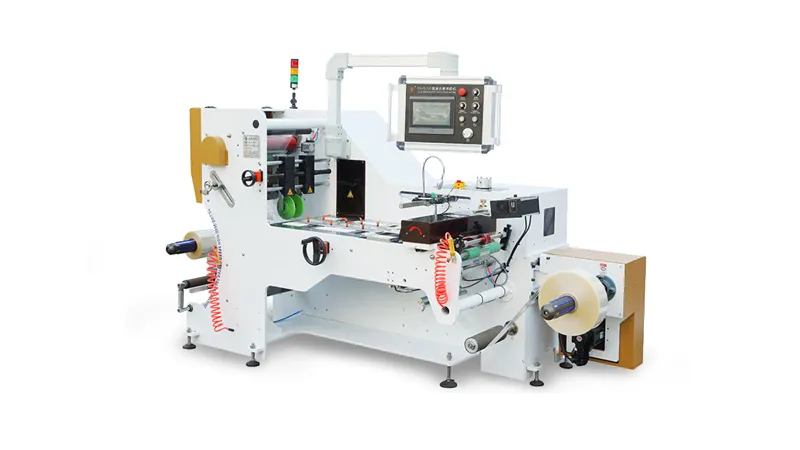
Discover rewinding and inspection machines for labels and film. Slitting, rewinding, and defect detection for reliable quality control.
Explore cross cutting machines designed for paper rolls, labels, and flexible materials. Ideal for roll-to-sheet converting, copy paper production, packaging materials processing, and industrial cutting applications.
Explore shrink sleeve seaming machines designed for PVC and PET sleeve label production. Suitable for beverage labels, packaging sleeves, and roll-to-tube sleeve forming with stable sealing performance.
Explore industrial coating machines designed for water based coatings, solvent coatings, and adhesive coatings used in packaging, printing, paper processing, and film production industries.
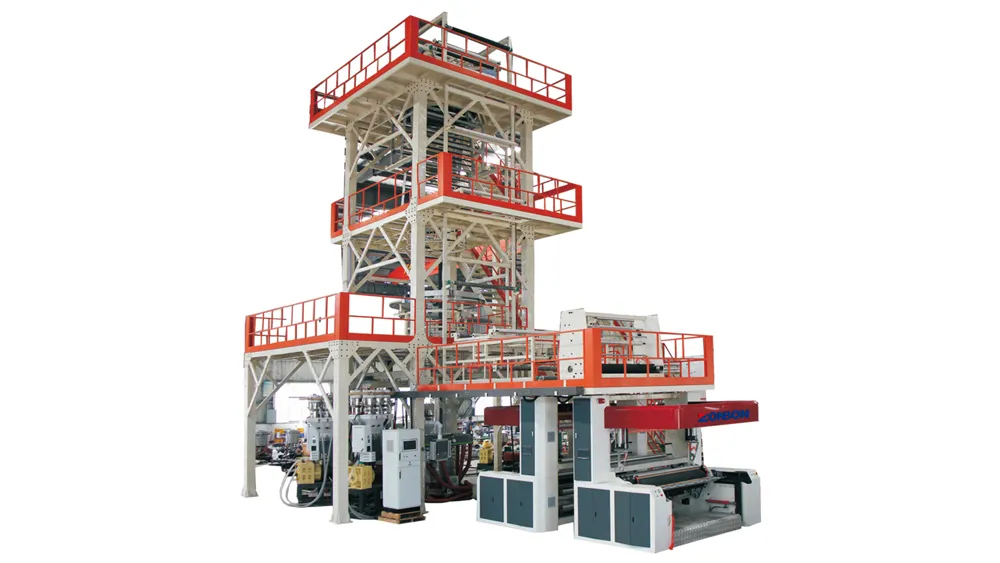
Explore blown film machines designed for PE, PP, PVC, and POF film production. Suitable for packaging film, shopping bag film, agricultural film, shrink film, and industrial plastic film manufacturing.
This guide helps packaging manufacturers, equipment distributors, trading companies, and new investors judge the right printing process before requesting a quotation or recommending a machine.
The most important question is not whether rotogravure printing is “better”. The right question is whether the buyer’s order volume, design change frequency, material structure, and quality requirement can support gravure printing profitably.
Many buyers ask for price, width, speed, and color quantity first. But for printing equipment, the wrong process choice can create higher cost, lower efficiency, and unhappy end customers.
The customer says “I need a gravure machine,” but may not understand whether the application really fits gravure.
Key risk: wrong recommendationA machine with good speed and price may still fail to match the factory’s SKU structure and production rhythm.
Key risk: low real productivityA high-end printing press can become a burden if stable repeat orders have not been confirmed.
Key risk: slow return on investmentUse this table as a first screening tool before discussing detailed machine configuration.
| Buyer Situation | Better Direction | Why It Matters |
|---|---|---|
| Large-volume repeat packaging orders | Rotogravure | Higher cylinder cost can be spread across long production runs. |
| Premium food, coffee, pet food, or pharmaceutical packaging | Rotogravure | Better for stable graphics, color consistency, and brand packaging appearance. |
| Many SKUs with frequent artwork changes | Flexographic | Plate changes and job flexibility may reduce setup pressure. |
| Startup project with uncertain orders | Compare Carefully | The buyer should verify real demand before investing in a higher setup-cost process. |
| Flexible film and laminated packaging production line | Often Rotogravure | Gravure works well with film printing, lamination, slitting, and pouch making workflows. |
These examples help buyers and distributors understand the decision from actual application needs.
Needs premium graphics, strong shelf appeal, and repeat orders for branded coffee bags.
Produces high-volume snack bags, frozen food bags, or laminated food packaging films.
Has many possible products but no confirmed stable volume for each design.
Needs to source a machine for an overseas customer but only has basic product information.
Before choosing a rotogravure press, buyers should diagnose the project from four angles: product, material, order structure, and converting workflow.
Food packaging, coffee bags, pet food bags, pharmaceutical foil, and personal care packaging may require different printing priorities.
PET, BOPP, CPP, PE, aluminum foil, and laminated films require different tension, drying, and web handling performance.
Stable repeat orders favor gravure. Many short runs and frequent artwork changes may favor flexographic printing.
If the printed roll will be laminated, slit, or made into pouches, registration and roll quality become more important.
After confirming the project direction, buyers can evaluate the machine configuration more accurately.
Thin film, aluminum foil, and laminated materials require stable unwinding, tension control, and web guiding.
Drying design affects printing speed, solvent control, energy use, and final packaging quality.
Multi-color packaging, foil printing, and laminated structures require stable registration accuracy.
Automatic registration, servo control, and inspection systems help reduce operator pressure and production waste.
Installation, training, spare parts, and process guidance are especially important for overseas buyers.
This checklist helps suppliers recommend the right printing process and machine configuration faster.
For many overseas projects, the biggest challenge is not only choosing a machine model. It is helping distributors, trading companies, and end buyers clearly communicate materials, packaging products, production goals, and technical requirements before the order is confirmed.
These questions help distributors, purchasing managers, and packaging manufacturers quickly understand whether rotogravure printing fits their project.
Rotogravure printing is a roll-to-roll printing process that uses engraved cylinders to transfer ink onto film, foil, paper, or laminated materials. For packaging buyers, its main value is stable color consistency, premium graphics, and efficient long-run production.
Rotogravure printing is commonly used for food packaging, coffee bags, snack packaging, pet food bags, pharmaceutical foil packaging, personal care packaging, aluminum foil laminates, and flexible packaging films.
Rotogravure is usually better when the buyer has large repeat orders, premium graphics requirements, stable packaging designs, and long-run production needs. It is especially suitable when consistent color and high-volume output are more important than frequent design changes.
Buyers should be careful if they mainly produce small orders, change artwork frequently, or have many SKUs with low volume per design. In these situations, flexographic printing may provide better flexibility and lower setup cost.
Rotogravure printing usually has higher initial setup cost because each color requires an engraved cylinder. However, for large repeat orders, the cost can be spread across long production runs, making gravure more economical for high-volume packaging production.
Common materials include BOPP, PET, PE, CPP, PA film, aluminum foil, laminated films, coated paper, decorative paper, and other roll-based packaging materials. The final machine configuration should be selected according to material thickness, tension requirements, and drying needs.
The number of colors depends on the packaging artwork and market positioning. Simple packaging may use fewer colors, while premium food, coffee, pet food, or pharmaceutical packaging may require 8-color, 10-color, or higher configurations.
Distributors should confirm the final packaging product, printing material, production volume, SKU quantity, artwork change frequency, required print quality, downstream process, budget range, and operator experience before recommending rotogravure or flexographic printing.
Yes. ZONBON Machinery can support overseas projects with machine configuration communication, installation guidance, operator training, and engineer dispatch according to project requirements.