Flexo Printing Machines
Explore flexo printing machines for flexible packaging, film, paper, and labels. Includes CI, stack, gearless, and inline presses for various production needs.

Explore flexo printing machines for flexible packaging, film, paper, and labels. Includes CI, stack, gearless, and inline presses for various production needs.
Discover rotogravure printing machines for flexible packaging and film printing. High-speed performance, consistent color, and stable production.
Explore industrial laminating machines for flexible packaging, plastic film, paper, and foil converting. Compare solventless, dry, extrusion, and hot melt laminating solutions for modern packaging production lines.
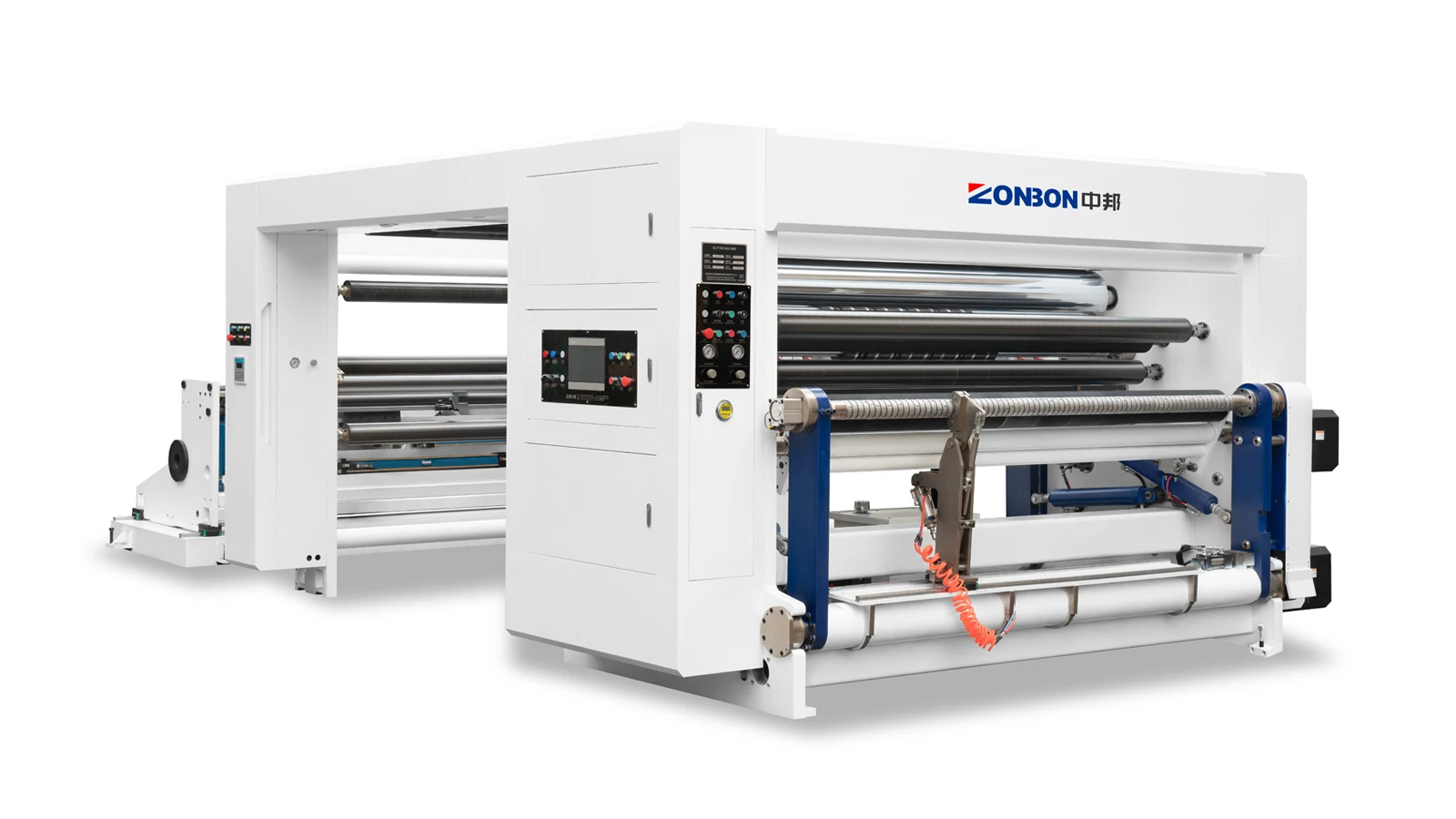
Explore slitting machines designed for film, paper, foil, tape, ribbon, and thermal paper converting. Ideal for manufacturers processing roll materials in packaging, label, printing, and industrial production.
Explore bag making machines designed for plastic bags, food packaging bags, garbage bags, ziplock bags, and non woven bags. Suitable for flexible packaging and industrial bag production.
Discover rewinding and inspection machines for labels and film. Slitting, rewinding, and defect detection for reliable quality control.
Explore cross cutting machines designed for paper rolls, labels, and flexible materials. Ideal for roll-to-sheet converting, copy paper production, packaging materials processing, and industrial cutting applications.
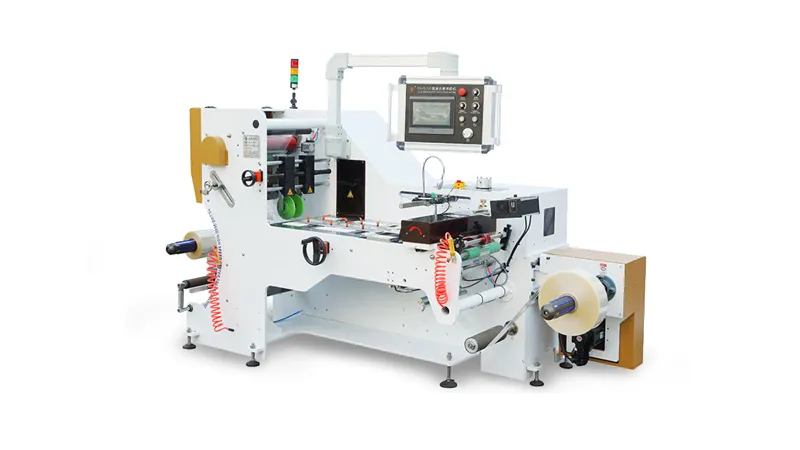
Explore shrink sleeve seaming machines designed for PVC and PET sleeve label production. Suitable for beverage labels, packaging sleeves, and roll-to-tube sleeve forming with stable sealing performance.
Explore industrial coating machines designed for water based coatings, solvent coatings, and adhesive coatings used in packaging, printing, paper processing, and film production industries.
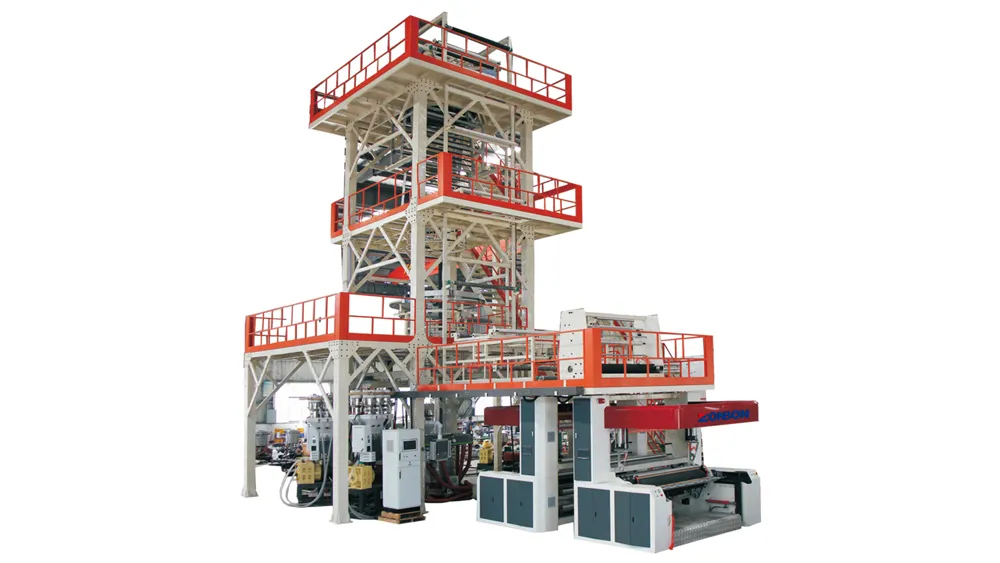
Explore blown film machines designed for PE, PP, PVC, and POF film production. Suitable for packaging film, shopping bag film, agricultural film, shrink film, and industrial plastic film manufacturing.
Shrink sleeve seaming machines process printed shrink film materials that are converted into tubular sleeves for product labeling and packaging decoration. These materials are widely used in beverage labels, cosmetic packaging sleeves, household product labels, and other full-body shrink sleeve applications where strong seam quality, stable shrink performance, and good print appearance are required.
PVC shrink film is one of the most commonly used materials in shrink sleeve label production. It offers good shrink performance and is widely used for beverage labels, household product labels, and general packaging sleeve applications.
PETG shrink film is widely used for high-quality shrink sleeve labels because of its excellent transparency, print appearance, and strong shrink characteristics. It is commonly selected for premium beverage, cosmetic, and personal care packaging.
OPS shrink film is used in shrink sleeve applications that require good clarity and stable sleeve forming performance. It is suitable for various labeling applications where accurate seaming and smooth sleeve appearance are important.
Printed shrink sleeve films are the core materials processed by sleeve seaming machines. After printing, the film edges are aligned and sealed to form continuous tubular sleeves ready for cutting and sleeve application.
Beverage and food sleeve labels often require materials with stable shrink behavior, strong print appearance, and reliable seam quality. Shrink sleeve seaming machines help convert these materials into finished sleeve tubes for labeling production.
Specialty shrink sleeve materials are used for packaging projects that require enhanced shelf appearance, promotional decoration, or customized packaging effects. Stable edge alignment and seam sealing are important for maintaining sleeve quality during application.
Tell us your film material, thickness, sleeve width, shrink requirement, and product application. Our engineers can recommend the most suitable shrink sleeve seaming machine configuration for your label production line.
Our shrink sleeve seaming machine models are designed for sleeve label production using PVC, PET, and other shrinkable film materials. These machines provide stable film feeding, accurate edge alignment, and reliable seam sealing to produce continuous sleeve tubes for shrink sleeve labeling applications.
Different machine configurations are available depending on film material, sleeve width, production speed, and sealing method. Browse the machine models below to find the sleeve seaming solution suitable for your shrink sleeve label production line.
Different shrink sleeve seaming technologies are designed for different film materials, sleeve quality requirements, production speeds, and packaging applications. The comparison below helps shrink sleeve label converters, beverage label manufacturers, and packaging suppliers understand the main differences between solvent seaming and ultrasonic seaming when selecting sleeve seaming equipment.
The seaming method directly affects seam strength, sleeve appearance, production stability, material compatibility, and downstream sleeving performance. Choosing the right seaming system helps improve sleeve quality, reduce waste, and support efficient shrink sleeve label production.
Sleeve label manufacturers usually compare seaming methods based on film material, seam visibility, production speed, operating stability, and the final packaging application. There is no single seaming solution for every sleeve project. The right choice depends on the film structure and production goals.
Suitable for general beverage, household product, and cost-effective shrink sleeve applications using widely adopted PVC sleeve films.
Explore Sleeve Label ApplicationsDesigned for higher-appearance shrink sleeve projects where film clarity, label presentation, and premium packaging impact are important.
Explore Premium Sleeve ApplicationsCompare seaming methods based on your film type, sleeve width, seam quality target, and production speed requirements.
Request a Seaming RecommendationIn real production, the best shrink sleeve seaming method depends on film material, shrink behavior, seam visibility requirements, production speed, and the final sleeve labeling application. Many converters test multiple films and seam settings before selecting the most suitable seaming system.
Tell us your film material, thickness, sleeve width, product application, and production target. We will help you compare solvent seaming and ultrasonic seaming and recommend a suitable shrink sleeve seaming machine configuration.
Packaging machinery investment requires reliable engineering, stable machine performance, and long-term technical support. ZonBon Machinery helps packaging manufacturers build efficient production systems with practical equipment solutions and manufacturer-direct service.
Our engineering team has more than 20 years of experience in flexible packaging machinery, covering flexo printing machines, rotogravure printing machines, laminating machines, and slitting machines.
We design and recommend machines according to substrate types, printing processes, production capacity, and packaging applications to ensure equipment matches real factory production needs.
Equipment can be configured for different printing widths, color units, drying systems, and automation levels to support various packaging and converting production lines.
As a machinery manufacturer located in Wenzhou, China, we control the entire production process from mechanical design and machining to final assembly and testing.
Each machine is tested before delivery to verify stable running speed, accurate tension control, and consistent production performance under simulated working conditions.
We provide technical consultation, installation guidance, operator training, spare parts supply, and long-term after-sales support for customers worldwide.
Choosing industrial packaging machinery is not just about machine price. It depends on your substrate, product structure, production target, automation level, and long-term expansion plan. The guide below highlights the key factors packaging manufacturers usually evaluate before selecting printing and converting equipment.
Different substrates require different printing, drying, web handling, and tension control solutions. Before selecting equipment, define the main materials you plan to process, such as:
If you are working with film and flexible packaging substrates, you can explore our Flexo Printing Machines for roll-to-roll printing applications.
Different production goals require different equipment types. Some customers need high-quality printing, while others focus on lamination, slitting, or inspection.
You can compare our Rotogravure Printing Machines, Laminating Machines, and Slitting Machines based on your production workflow.
Production volume is one of the most important selection factors. Choosing a machine that is too small can limit growth, while an oversized system may increase investment pressure.
Stable output depends on selecting equipment with a practical configuration, not simply the highest theoretical speed.
The right machine must match your final product requirements, especially for high-value packaging and label applications.
If your production involves more precise label or narrow web work, you may also want to review our Rewinding & Inspection Machines and related converting solutions.
Equipment selection should also take into account your available workshop conditions and installation environment.
If you are still defining your overall workflow, our Applications page can help you understand how different machine categories fit different packaging products and production processes.
Reliable technical support is essential for long-term machine performance. Packaging manufacturers usually evaluate:
You can also visit our Resource Center and Services pages to understand the documentation and support available after delivery.
Tell us your substrate type, product structure, printing width, target speed, and expected output. Our engineering team will recommend a suitable machine configuration for your production line.
ZonBon Machinery supports packaging manufacturers worldwide with reliable flexible packaging machinery. Our flexo printing machines, rotogravure printing presses, laminating machines, slitting machines, and inspection equipment are exported to global markets with engineering-driven project support.

Manufacturer location: Wenzhou, Zhejiang, China. Remote acceptance and export delivery support available.
From consultation and configuration planning to factory acceptance testing (FAT), export packing, installation guidance, and operator training, we help customers reduce project risks and reach stable production faster.
Explore expert guides, technical insights, and industry knowledge related to Shrink Sleeve Seaming Machines. Our knowledge hub covers machine selection, printing technologies, material compatibility, maintenance tips, and production optimization to help packaging manufacturers make informed equipment decisions.
Whether you are researching equipment before purchasing or looking to improve production performance, these articles provide practical information about flexographic printing processes, machine configurations, and real-world packaging applications.
A shrink sleeve seaming machine converts printed shrink film rolls into tubular sleeve labels by sealing the film edges together. These sleeves are later used in shrink labeling processes for packaging containers.
Common materials include PVC, PET, and OPS shrink films. These films are printed first and then processed by seaming machines to form sleeve tubes used for packaging labels.
Shrink sleeve labels are widely used in beverage packaging, food packaging, cosmetic products, household goods, and pharmaceutical packaging where full-body label coverage and high visual impact are required.
Yes. Machines can be customized according to film width, sleeve diameter, sealing method, and production speed depending on sleeve label production requirements.
Shrink sleeve printing prints graphics on shrink films, while seaming machines convert the printed films into sleeve tubes. Both processes are part of the shrink sleeve label production workflow.
The machine aligns the film edges and applies a sealing method such as solvent sealing or ultrasonic sealing to create a continuous tubular sleeve structure.
Seam quality depends on film alignment accuracy, sealing temperature or solvent control, machine stability, and material properties.
Yes. We provide installation guidance, machine testing, operator training, remote technical support, and spare parts services for shrink sleeve seaming machines.