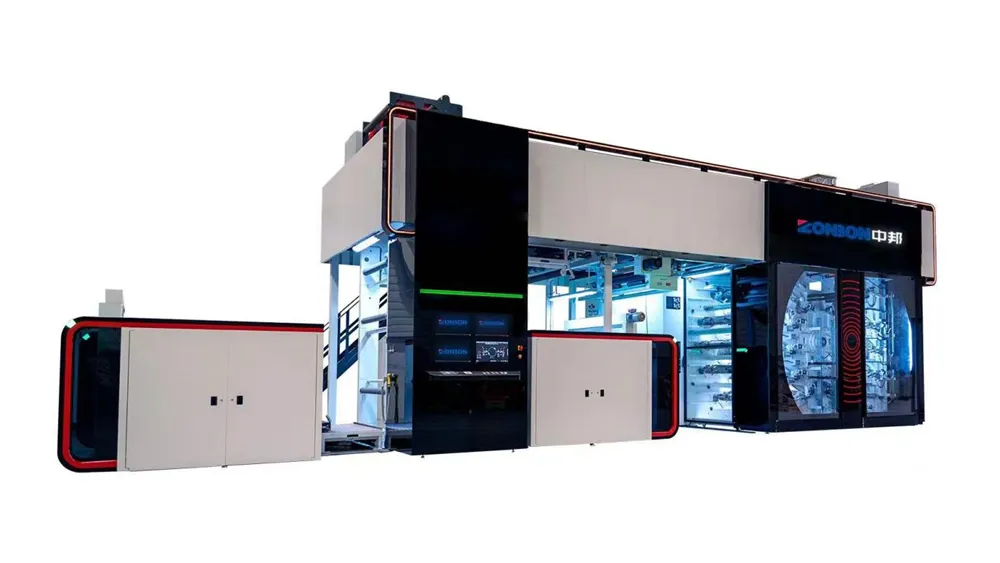
Flexo Printing Machines
Explore flexo printing machines for flexible packaging, film, paper, and labels. Includes CI, stack, gearless, and inline presses for various production needs.

Explore flexo printing machines for flexible packaging, film, paper, and labels. Includes CI, stack, gearless, and inline presses for various production needs.
Discover rotogravure printing machines for flexible packaging and film printing. High-speed performance, consistent color, and stable production.
Explore industrial laminating machines for flexible packaging, plastic film, paper, and foil converting. Compare solventless, dry, extrusion, and hot melt laminating solutions for modern packaging production lines.
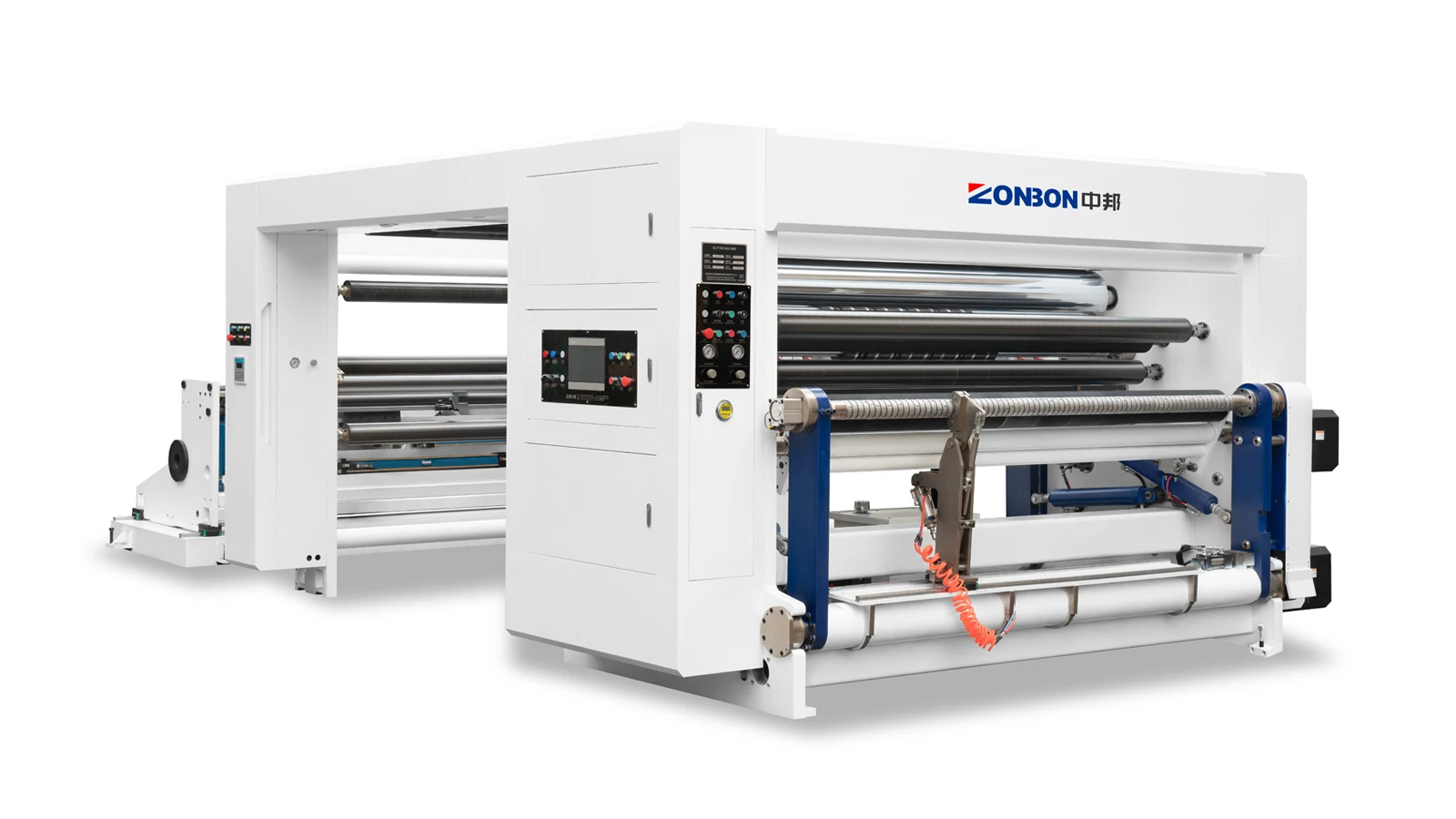
Explore slitting machines designed for film, paper, foil, tape, ribbon, and thermal paper converting. Ideal for manufacturers processing roll materials in packaging, label, printing, and industrial production.
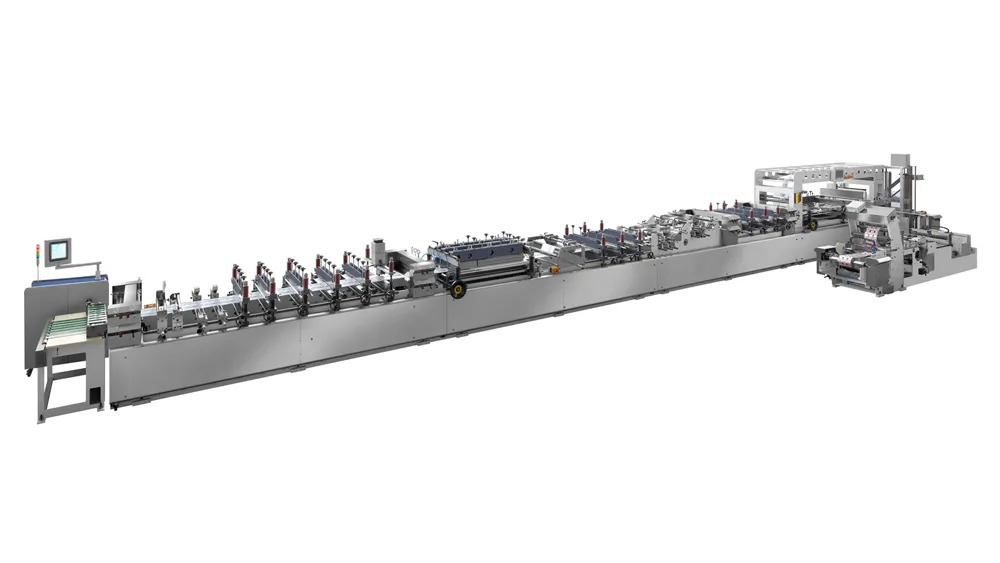
Explore bag making machines designed for plastic bags, food packaging bags, garbage bags, ziplock bags, and non woven bags. Suitable for flexible packaging and industrial bag production.
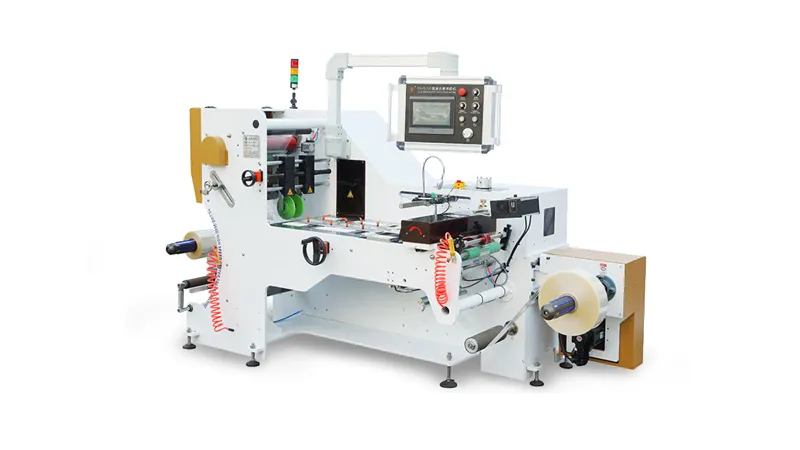
Discover rewinding and inspection machines for labels and film. Slitting, rewinding, and defect detection for reliable quality control.
Explore cross cutting machines designed for paper rolls, labels, and flexible materials. Ideal for roll-to-sheet converting, copy paper production, packaging materials processing, and industrial cutting applications.
Explore shrink sleeve seaming machines designed for PVC and PET sleeve label production. Suitable for beverage labels, packaging sleeves, and roll-to-tube sleeve forming with stable sealing performance.
Explore industrial coating machines designed for water based coatings, solvent coatings, and adhesive coatings used in packaging, printing, paper processing, and film production industries.
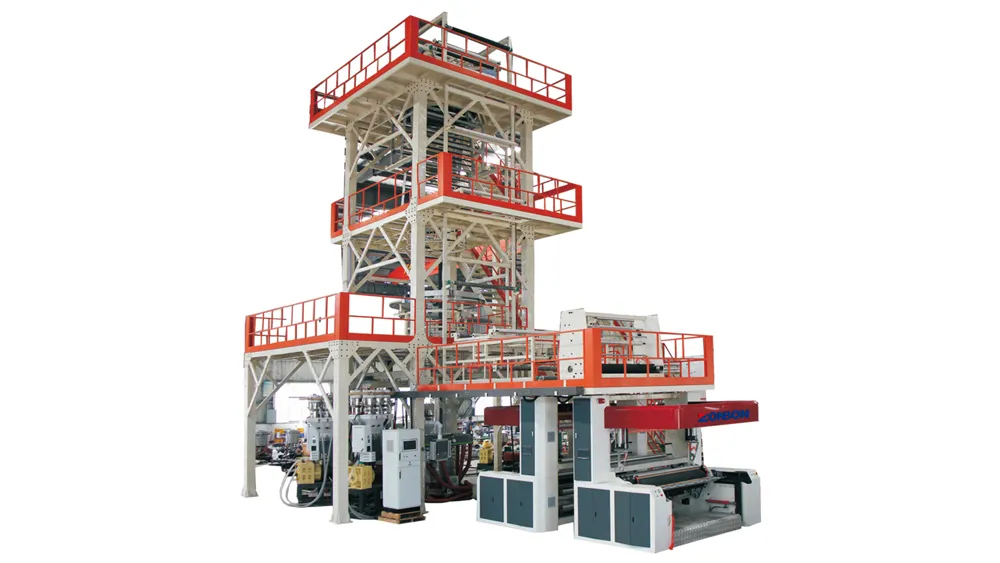
Explore blown film machines designed for PE, PP, PVC, and POF film production. Suitable for packaging film, shopping bag film, agricultural film, shrink film, and industrial plastic film manufacturing.
Foodservice packaging is widely used in takeaway, fast food, and catering industries, covering products such as paper cups, food boxes, trays, and disposable containers. These applications require safe materials, stable forming quality, and efficient production to meet large-scale daily demand.
ZONBON Machinery provides complete foodservice packaging production solutions, including flexographic printing machines, die cutting machines, and forming machines for paper cups, lunch boxes, and trays. Our equipment is designed for reliable performance, flexible configuration, and efficient production for different packaging formats.
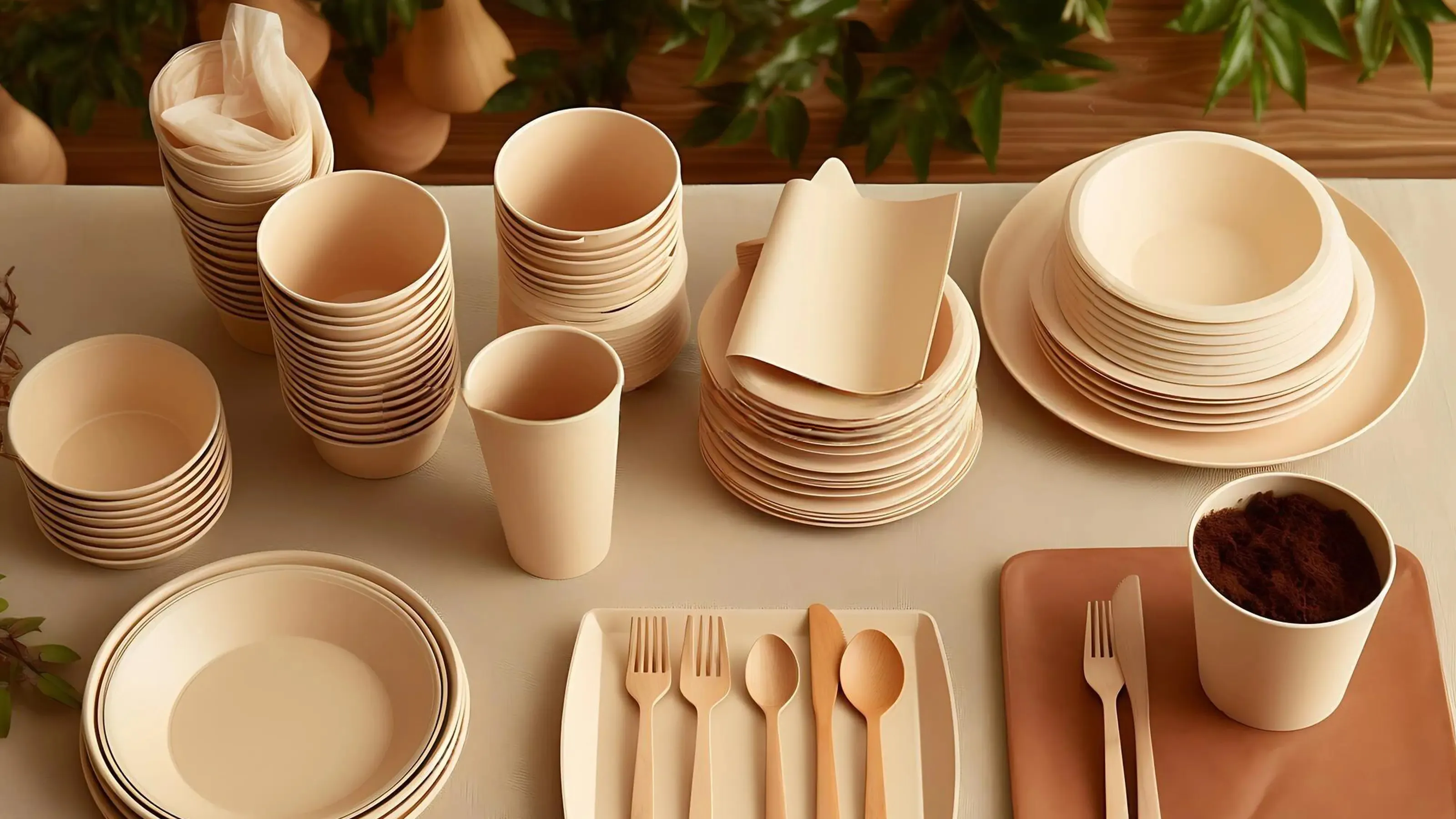
Foodservice packaging production requires a combination of printing, die cutting, and forming equipment to ensure both efficiency and product consistency. A typical production line includes flexographic printing machines for roll-to-roll printing, die cutting machines for precise blank shaping, and forming machines for paper cups, food boxes, and trays. ZONBON Machinery offers fully customizable solutions based on your product types, materials, and capacity requirements, ensuring stable operation, hygienic production standards, and optimized output efficiency.
Foodservice packaging requires materials that balance printability, forming performance, food-contact safety, and cost control. The most commonly used options include kraft paper, coated paper, PE coated paper, double-wall paperboard, and ivory paper, each suitable for different packaging structures and end-use requirements.
ZONBON Machinery provides integrated solutions for foodservice packaging production, from roll printing and die cutting to cup, box, and tray forming. Whether you need a single machine or a complete production line, we can match equipment according to your material type, product structure, and output target.
Different material structures and machine combinations can be used to produce a wide range of disposable foodservice packaging products for takeaway, catering, bakery, fast food, and beverage applications.
In foodservice packaging production, choosing the right material directly affects printing quality, forming stability, grease resistance, heat performance, product appearance, and overall packaging cost. Below is a practical comparison of commonly used materials, including their key advantages, limitations, and typical end-use products, helping buyers better match packaging needs with suitable production solutions.
Kraft paper is widely used for takeaway and fast-food packaging because of its natural appearance, good stiffness, and eco-friendly brand image. It is especially suitable for outer packaging that requires a strong paper feel and a more sustainable visual identity.
Coated paper offers a smoother surface and better print presentation, making it a practical choice for foodservice packaging that needs cleaner graphics, stronger color reproduction, and a more refined appearance.
PE coated paper is one of the most common materials in foodservice packaging because it combines paper stiffness with waterproof and oil-resistant performance. It is especially important for paper cups, bowls, and containers exposed to hot or cold food and beverages.
Double-wall paperboard is mainly used where heat insulation and a stronger premium feel are needed. It is common in higher-end beverage packaging, especially for hot drinks, where user comfort and brand presentation matter.
Ivory paper is often selected for foodservice packaging that requires a cleaner white surface, better display quality, and stronger shelf or takeaway presentation. It is widely used in premium food boxes and appearance-focused disposable packaging.
Different packaging products require different film and foil structures. Below are common flexible packaging laminations used in food, beverage, and consumer goods. ZonBon Machinery provides the printing, laminating, slitting, and inspection equipment needed to produce stable, high-quality roll stock for these structures.
Aluminum foil barrier structure commonly used for coffee, snack packaging, and high-odor products requiring strong barrier performance.
Widely used for stand-up pouches and sachets. Balanced performance for many daily product and food packaging applications.
A common structure for chips and snack bags. Supports attractive printing and stable lamination for medium barrier requirements.
Metallized film structure often used for snacks and dry food, providing improved oxygen and moisture barrier compared to standard films.
Paper-based structure used for food wrapping and paper packaging products where sealing and moisture resistance are required.
Suitable for applications that require higher heat resistance and stable sealing performance, commonly used in food packaging roll stock.
Tell us your product type, material layers, and target output. We will recommend the right printing and converting configuration for stable production.
Use the search box to quickly find packaging applications, materials, or machine solutions that match your needs. You can also explore popular topics below to discover related packaging formats, production processes, and industry-specific solutions for different products and markets.