





Slitting Machine Maintenance Checklist: Preventive Maintenance Guide
Why Preventive Maintenance Matters More Than Emergency Repairs
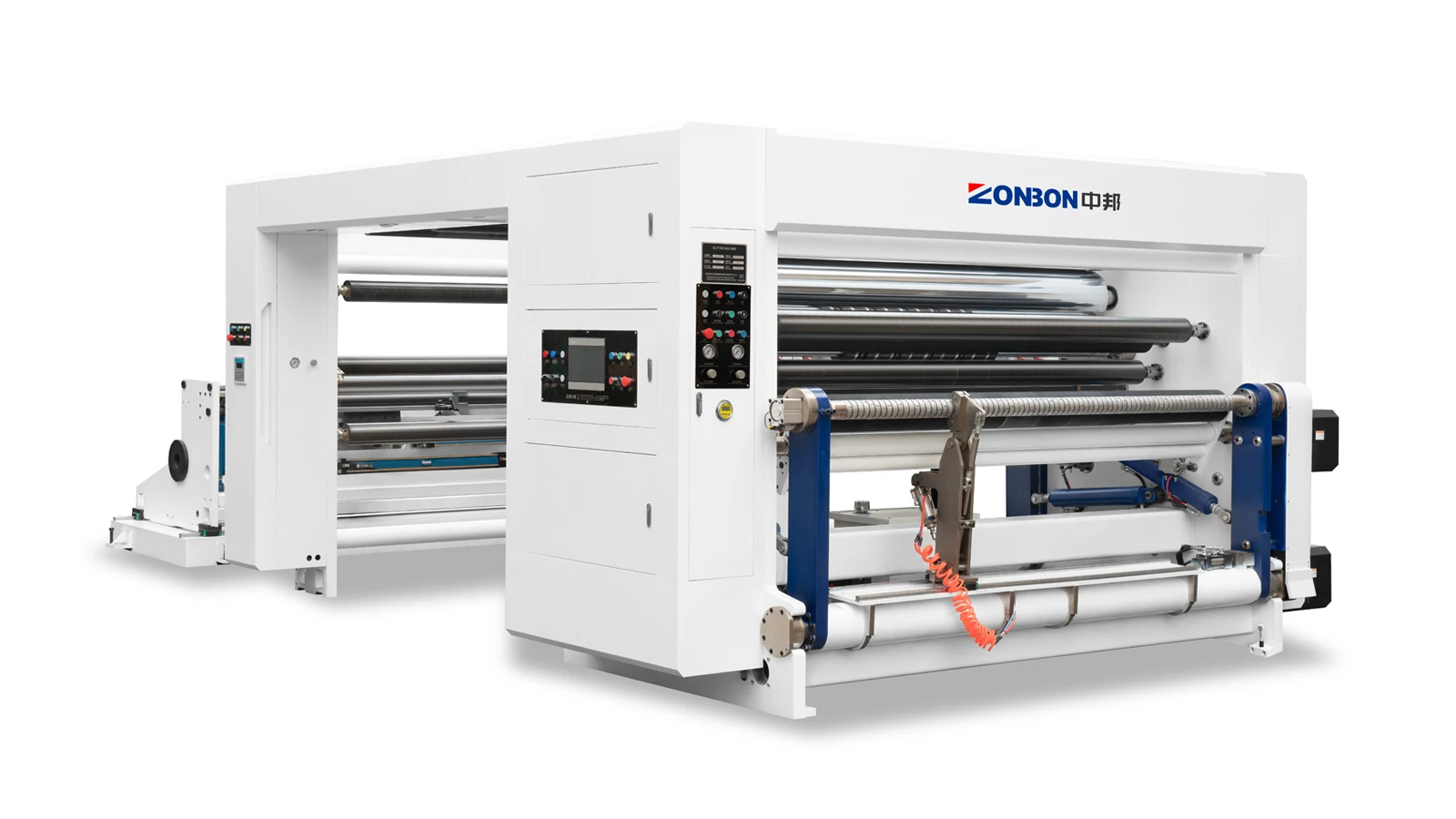
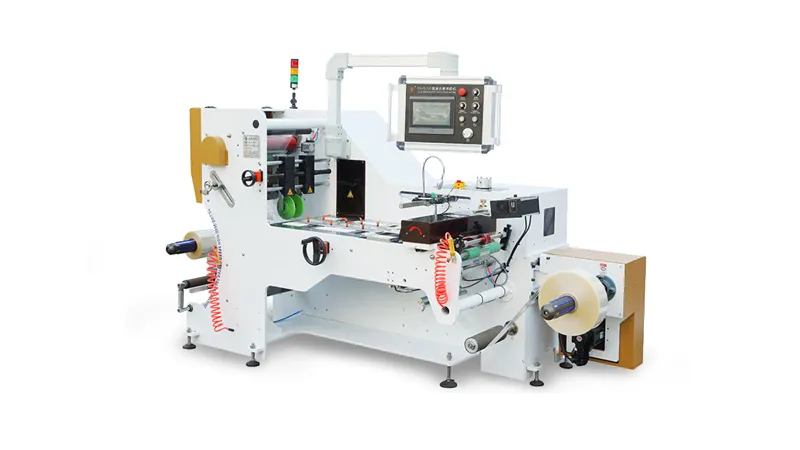
A slitting machine is one of the hardest-working pieces of equipment in a converting plant. Whether processing flexible packaging films, paper rolls, aluminum foil, self-adhesive labels, or industrial materials, the machine operates continuously under high speed and constant tension. Without a structured maintenance program, even minor wear can gradually reduce production quality and increase operating costs.
Many manufacturers only perform maintenance after a machine fails. By that stage, production has already been interrupted, material has been wasted, and delivery schedules may be affected. Preventive maintenance helps identify small issues before they become expensive problems.
A practical maintenance checklist not only extends equipment life but also improves slitting accuracy, rewinding consistency, operator safety, and overall production efficiency.
Daily Maintenance Checklist
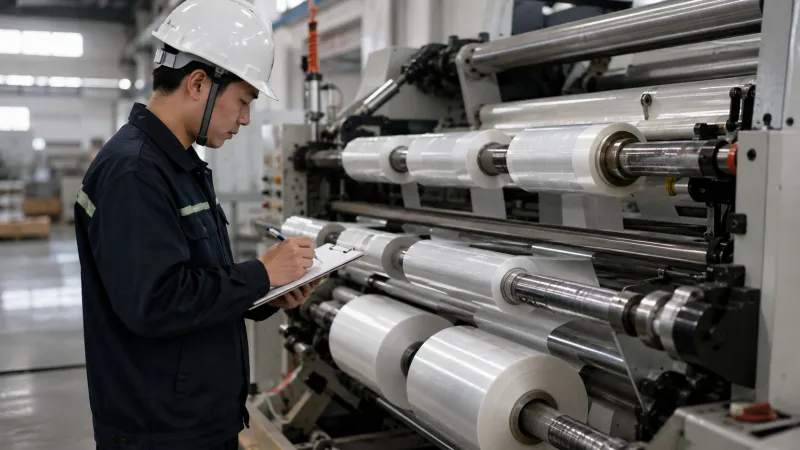
Daily inspections require only a few minutes but can prevent many common production issues.
Inspect Slitting Knives
- Check knives for wear, chips, or edge damage.
- Confirm knife alignment before production.
- Replace worn knives before burr edges appear.
Sharp knives improve slit quality, reduce dust generation, and minimize material waste.
Check Web Tension Stability
- Verify tension settings.
- Observe tension fluctuations during startup.
- Watch for wrinkles or unstable web movement.
Stable tension is essential for producing consistent finished rolls. If tension becomes unstable, operators should investigate immediately rather than compensating by increasing rewind pressure.
Clean Dust and Material Debris
- Remove paper dust.
- Clean adhesive residue.
- Remove film scraps.
- Keep sensors clean.
Dust accumulation can affect sensor accuracy, knife performance, and machine reliability.
Inspect Air Shafts and Cores
- Check air pressure.
- Inspect inflation sleeves.
- Verify core locking performance.
Poor shaft performance may cause winding defects and roll slippage.
Weekly Maintenance Checklist
Weekly maintenance focuses on machine accuracy and operating stability.
Inspect Rollers
- Check roller surfaces for wear.
- Inspect rubber rollers for damage.
- Ensure rollers rotate smoothly.
- Remove contamination from roller surfaces.
Check Bearing Condition
Listen for unusual bearing noise during production. Excessive vibration or heat may indicate bearing wear.
Verify Web Guiding System
- Test sensor response.
- Check actuator movement.
- Confirm web alignment accuracy.
Accurate web guiding helps maintain slit width consistency and reduces edge variation.
Inspect Safety Devices
- Emergency stop buttons
- Safety guards
- Limit switches
- Warning indicators
Safety inspections should be part of every weekly maintenance routine.
Monthly Preventive Maintenance
Monthly maintenance focuses on long-term machine performance and component reliability.
Lubricate Moving Components
- Linear guides
- Bearings
- Drive mechanisms
- Mechanical joints
Always follow the manufacturer's lubrication recommendations and avoid excessive lubrication that may attract dust.
Inspect Drive Systems
- Belts
- Chains
- Couplings
- Servo drive connections
Proper drive system maintenance helps maintain production accuracy and reduce unexpected downtime.
Check Electrical Components
- Loose wiring
- Electrical cabinet cleanliness
- Cooling fans
- PLC alarms
- HMI operation
Electrical inspections help prevent unexpected machine failures caused by loose connections or overheating.
Components That Require Regular Attention
| Component | Inspection Focus | Suggested Frequency |
|---|---|---|
| Slitting Knives | Wear and alignment | Daily |
| Rollers | Surface condition | Weekly |
| Bearings | Noise and temperature | Weekly |
| Air Shafts | Inflation and locking | Daily |
| Drive System | Belts and couplings | Monthly |
| Electrical Cabinet | Cleaning and wiring | Monthly |
Warning Signs You Should Never Ignore
Small changes in machine performance often indicate developing problems.
Operators should investigate immediately if they notice:
- Increasing vibration
- Abnormal bearing noise
- Frequent tension fluctuations
- Wrinkles appearing during rewinding
- Telescoping rolls
- Uneven roll hardness
- Higher material waste than normal
- Unexpected production stoppages
Ignoring these warning signs may lead to expensive repairs and extended downtime.
Maintenance Mistakes That Shorten Machine Life
Many production problems result from incorrect maintenance rather than equipment quality.
Common mistakes include:
- Waiting until components fail before replacing them.
- Using worn slitting knives for too long.
- Ignoring small tension fluctuations.
- Skipping routine cleaning.
- Applying incorrect lubrication.
- Operating with damaged rollers.
- Failing to record maintenance history.
Preventive maintenance is generally less expensive than emergency repairs.
Recommended Spare Parts Inventory
Keeping critical spare parts in stock helps minimize production interruptions.
Typical spare parts include:
- Slitting knives
- Bearings
- Air shaft repair kits
- Pneumatic components
- Sensors
- Drive belts
- Fuses
- Roller bearings
The appropriate inventory depends on production volume, machine utilization, and spare parts lead times.
Maintenance Is Closely Connected to Rewinding Quality
Many operators assume that telescoping rolls, wrinkles, or uneven winding are caused only by incorrect machine settings. In reality, worn components, contaminated rollers, and poor maintenance can also reduce rewinding performance.
Regular inspection of the rewinding system, combined with proper tension control, helps maintain stable roll quality over long production runs.
To better understand the relationship between maintenance and winding performance, see our guide to Differential Shaft in Slitting Machines: Why It Matters.
When Routine Maintenance Is Not Enough
If your slitting machine continues to experience wrinkles, unstable tension, telescoping rolls, inconsistent roll hardness, or excessive waste after completing routine maintenance, the issue may not be caused by maintenance alone.
Machine configuration, rewinding technology, tension control capability, or material compatibility may also need to be evaluated.
Understanding web tension control in slitter rewinder machines can help identify whether production issues are related to machine settings or underlying equipment limitations.
Building a Preventive Maintenance Culture
The most productive converting plants treat maintenance as part of daily production rather than an occasional repair task. A documented maintenance schedule, regular inspections, and timely replacement of wear parts help reduce downtime, improve product quality, and extend equipment life.
When evaluating new slitting machines, buyers should also consider ease of maintenance, spare parts availability, and long-term service support in addition to production speed and machine specifications.
FAQ: Slitting Machine Maintenance Checklist
How often should a slitting machine be maintained?
Basic inspections should be performed daily, while more detailed preventive maintenance should be carried out weekly and monthly based on machine usage and production conditions.
What are the most important components to inspect regularly?
Slitting knives, rollers, bearings, air shafts, web guiding systems, and electrical components should all be inspected on a routine schedule to maintain production stability.
Can poor maintenance affect rewinding quality?
Yes. Worn rollers, damaged bearings, contaminated components, and incorrect lubrication can contribute to wrinkles, telescoping rolls, uneven winding, and increased material waste.
What spare parts should converters keep in stock?
Common spare parts include slitting knives, bearings, air shaft repair kits, sensors, drive belts, pneumatic components, and electrical protection devices to reduce unexpected downtime.
When should I contact the machine manufacturer for technical support?
If production problems continue after completing routine maintenance, or if the machine shows persistent tension instability, rewinding defects, or abnormal mechanical behavior, it is advisable to consult the manufacturer to determine whether the issue is related to machine configuration, worn components, or process settings.