





Adhesive Tape Slitting Machine Buyer Guide: How to Choose the Right Solution
Why Choosing the Right Adhesive Tape Slitting Machine Matters
The quality of a finished adhesive tape roll depends on far more than the coating process. Even when adhesive coating and curing are well controlled, poor slitting and rewinding can lead to uneven roll hardness, telescoping, edge defects, adhesive contamination, and excessive material waste.
For tape manufacturers, distributors, and converters, selecting the right adhesive tape slitting machine is not simply about production speed. The machine must match the tape structure, adhesive characteristics, roll dimensions, and production requirements to ensure consistent product quality and efficient manufacturing.
This buyer guide explains the key factors to consider when choosing a slitting machine for adhesive tape production and how different configurations affect long-term production performance.
What Is an Adhesive Tape Slitting Machine?
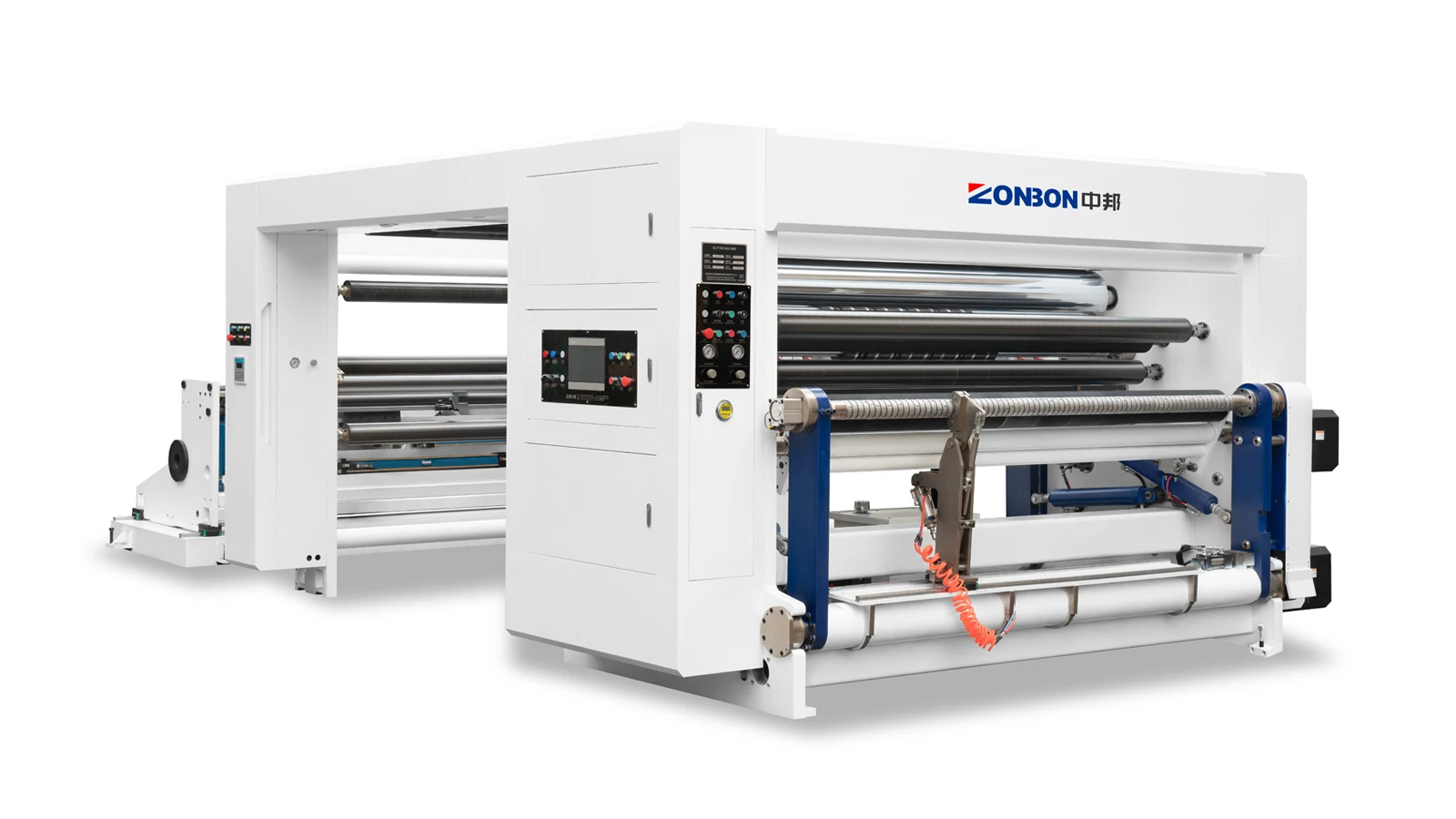
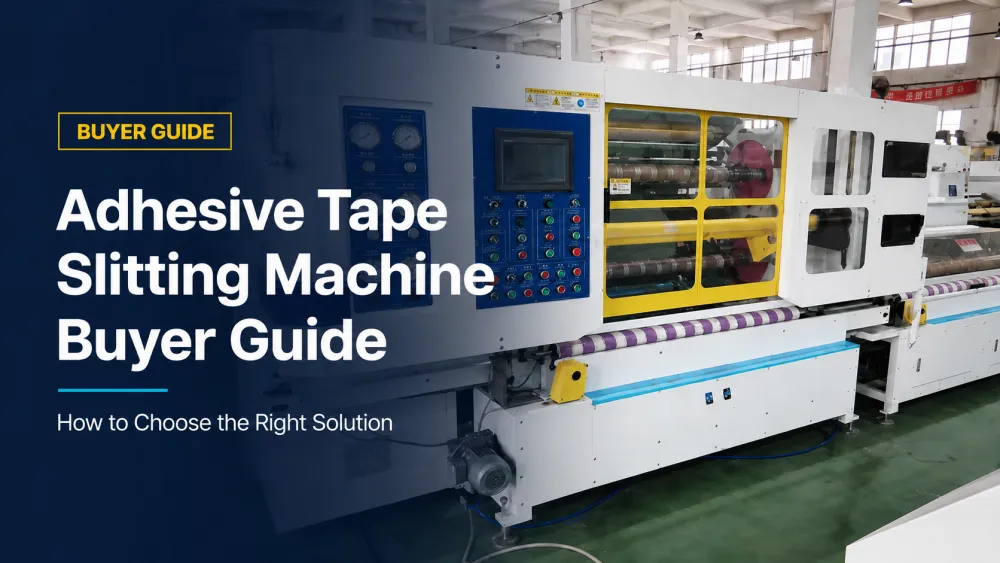
An adhesive tape slitting machine is a converting system designed to slit large master rolls of adhesive-coated materials into finished rolls with precise widths and consistent rewinding quality.
Typical production includes:
- Master roll unwinding
- Automatic web guiding
- Precision slitting
- Finished roll rewinding
- Roll unloading and packaging
Depending on production requirements, machines may process multiple narrow rolls simultaneously while maintaining stable tension and consistent roll hardness.
Common Types of Adhesive Tape Materials
BOPP Packing Tape
BOPP packing tape is the most common application for adhesive tape slitting machines. High-speed production requires stable tension control, clean slit edges, and consistent rewinding.
Stationery Tape
Office and stationery tapes are usually produced in narrow widths with high appearance requirements. Accurate slit width and smooth roll edges are essential for retail products.
Double-Sided Tape
Double-sided tapes require careful handling because adhesive exposure may contaminate knives and affect production stability.
Masking Tape
Masking tapes often require stable tension control to prevent edge deformation and maintain consistent roll quality.
Industrial Specialty Tapes
Industrial tapes may include foam tapes, protective films, electrical insulation tapes, and specialty adhesive products with different thicknesses and material structures.
Common Production Challenges
Many tape manufacturers experience similar production issues regardless of machine brand.
| Production Problem | Possible Cause |
|---|---|
| Uneven roll hardness | Unstable rewinding tension |
| Telescoping rolls | Poor winding control |
| Adhesive contamination on knives | Incorrect knife selection or cleaning |
| Rough slit edges | Worn knives or improper knife setup |
| High material waste | Incorrect machine configuration |
Identifying the root cause before purchasing equipment helps buyers select a machine that addresses long-term production challenges rather than only increasing production speed.
How to Choose the Right Machine Configuration
Match the Machine to the Tape Structure
Different tape constructions require different slitting and rewinding characteristics.
| Tape Type | Recommended Focus |
|---|---|
| BOPP Packing Tape | High-speed rewinding and stable tension |
| Stationery Tape | Precision slit width control |
| Double-Sided Tape | Anti-adhesive knife design |
| Masking Tape | Stable winding pressure |
| Industrial Tape | Machine rigidity and roll consistency |
Select the Appropriate Slitting Method
Knife selection affects edge quality, dust generation, adhesive build-up, and production efficiency.
Depending on tape construction, manufacturers may use razor slitting, shear slitting, or crush slitting.
A detailed comparison is available in our guide to Razor Slitting vs Shear Slitting vs Crush Slitting.
Evaluate Rewinding Quality
Finished rolls should maintain consistent hardness from the beginning to the end of production.
Poor rewinding may create:
- Loose rolls
- Overly tight rolls
- Telescoping
- Roll deformation
- Packaging difficulties
Ask suppliers how roll hardness is controlled during rewinding rather than simply comparing maximum machine speed.
Why Tension Control Is Critical
Stable web tension is one of the most important factors affecting adhesive tape production.
Improper tension may result in:
- Wrinkles
- Uneven roll diameter
- Adhesive stretching
- Poor edge quality
- Reduced production efficiency
Modern automatic tension control systems help maintain consistent winding conditions throughout the production process.
Learn more in our guide to Web Tension Control in Slitter Rewinder Machines.
Questions Buyers Should Ask Before Purchasing
- Which tape materials can the machine process?
- What is the maximum production speed under normal operating conditions?
- How is rewinding tension controlled?
- What slit width tolerance can be achieved?
- How is adhesive contamination minimized?
- Is the machine suitable for future product expansion?
- What technical support is available after installation?
These questions often reveal more about long-term machine performance than technical specifications alone.
How to Reduce Production Waste
Reducing waste begins with proper machine configuration rather than increasing production speed.
Manufacturers can improve production efficiency by:
- Selecting the correct slitting method.
- Maintaining stable web tension.
- Using properly maintained knives.
- Controlling rewinding consistency.
- Performing preventive machine maintenance.
A well-configured slitting machine not only improves finished roll quality but also lowers material consumption and operating costs over time.
Choosing a Machine That Supports Business Growth
Many converters initially purchase equipment based on current production requirements. However, future product expansion should also be considered.
If your business plans to produce multiple tape types or increase production capacity, selecting a machine with flexible configuration options can reduce future investment costs.
When comparing different adhesive tape slitting machines, buyers should evaluate material compatibility, rewinding quality, automation level, maintenance requirements, and long-term service support instead of focusing only on purchase price.
FAQ: Adhesive Tape Slitting Machine Buyer Guide
What is an adhesive tape slitting machine used for?
It converts large master rolls of adhesive-coated materials into finished rolls with precise widths for packaging, industrial, stationery, and specialty tape applications.
Which tape materials can be processed?
Depending on machine configuration, equipment can process BOPP packing tape, stationery tape, masking tape, double-sided tape, protective films, and many industrial adhesive materials.
Why is rewinding quality important?
Consistent rewinding helps prevent telescoping, uneven roll hardness, and downstream packaging problems while improving customer satisfaction.
How can adhesive build-up on knives be reduced?
Proper knife selection, routine cleaning, correct operating parameters, and suitable slitting methods help minimize adhesive contamination and maintain stable production.
What should buyers focus on when choosing an adhesive tape slitting machine?
Buyers should evaluate tape type, production volume, slit width accuracy, tension control, rewinding performance, machine flexibility, maintenance requirements, and long-term technical support to ensure the equipment matches both current and future production needs.