





Slitting Machine Manufacturer: Complete Buyer Guide (2026)
How to Choose the Right Slitting Machine Manufacturer in 2026
Choosing the right slitting machine manufacturer is an important decision for converters, packaging factories, label producers, and industrial roll material processors. A slitting machine directly affects production speed, cutting precision, roll quality, and long-term operating cost.
Whether you process plastic film, paper, aluminum foil, adhesive tape, or thermal ribbon materials, selecting the wrong equipment supplier can lead to unstable tension, poor rewinding quality, excessive material waste, and expensive downtime.
This guide explains how slitting machines work, the different machine types available, what technical features matter most, and how buyers can evaluate manufacturers before investing in equipment.
What Is a Slitting Machine?
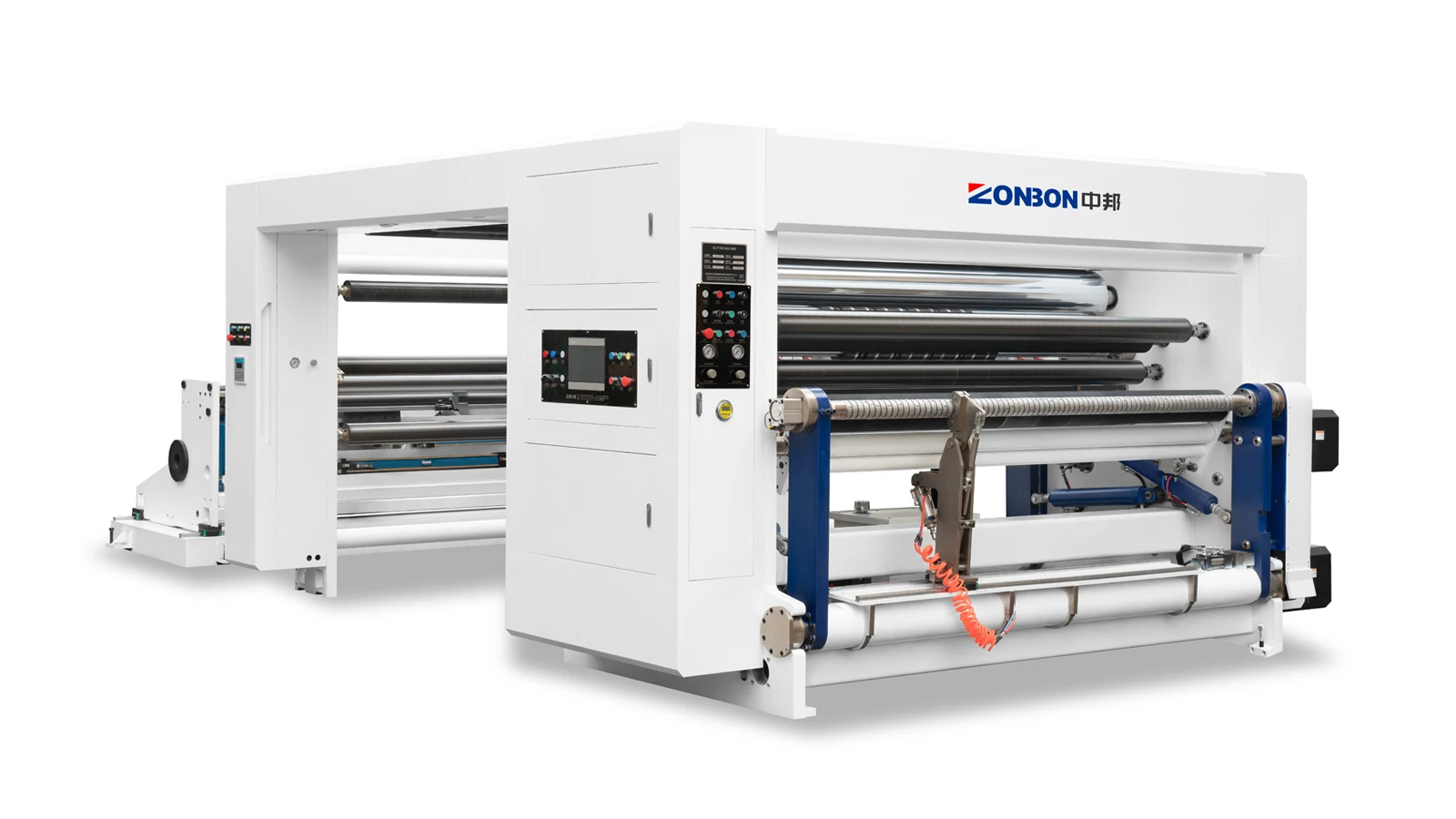
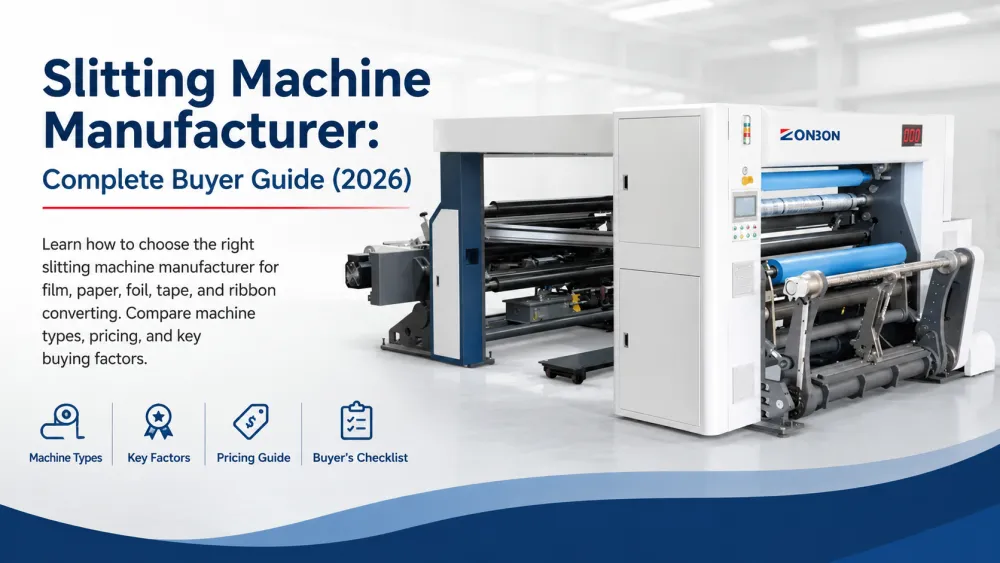
A slitting machine is industrial converting equipment used to cut jumbo rolls of material into narrower rolls with precise widths. It is widely used in flexible packaging, labels, medical materials, industrial films, paper products, adhesive tapes, and foil converting industries.
The slitting process typically includes:
- Unwinding: Feeding jumbo material rolls into the machine.
- Slitting: Cutting material into specified widths.
- Rewinding: Rewinding finished rolls with stable tension.
- Inspection: Checking edge quality and roll consistency.
Modern slitting machines are designed to improve production efficiency, reduce waste, and ensure stable roll quality for downstream converting processes.
Different Types of Slitting Machines
Different materials require different slitting technologies. Understanding machine categories helps buyers choose equipment that matches their production needs.
Film Slitting Machines
Film slitting machines are designed for BOPP, PET, CPP, PE, laminated films, and flexible packaging materials. Buyers often prioritize stable web tension, high-speed operation, wrinkle prevention, and clean slit edges.
These machines are commonly used in food packaging, pharmaceutical packaging, industrial films, and laminated material converting.
Paper Slitting Machines
Paper slitting machines process kraft paper, coated paper, thermal paper, release paper, and packaging paper rolls. Buyers usually focus on edge smoothness, dust reduction, and roll consistency.
Foil Slitting Machines
Foil slitting machines are widely used for aluminum foil and laminated foil materials. Since foil materials are delicate, high-precision tension control and accurate knife systems are especially important.
Adhesive Tape Slitting Machines
Adhesive tape slitting machines are suitable for BOPP tape, masking tape, double-sided tape, electrical tape, and industrial adhesive products.
Buyers usually prioritize slitting speed, roll uniformity, blade durability, and stable rewinding performance.
Ribbon Slitting Machines
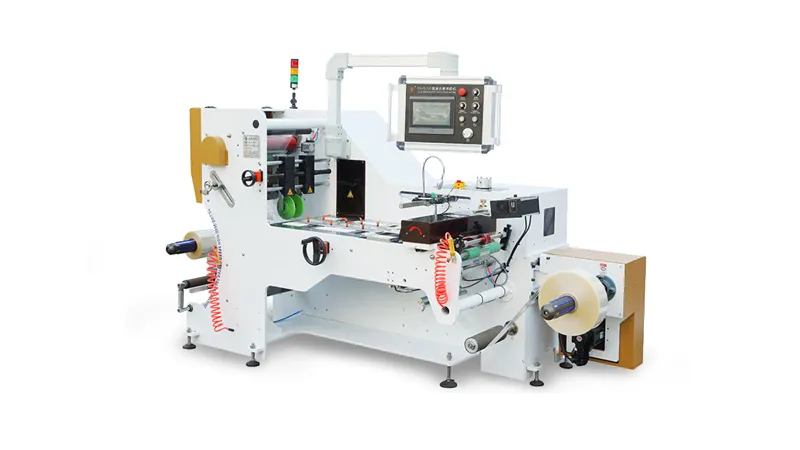
Ribbon slitting machines are commonly used for thermal transfer ribbons, barcode ribbons, and specialty industrial ribbons where precision width control is essential.
How to Choose a Slitting Machine Manufacturer
Choosing the cheapest machine is not always the best decision. Buyers should evaluate a manufacturer based on technical capabilities, customization options, support, and long-term reliability.
Material Compatibility
A reliable manufacturer should understand your material structure, thickness, roll diameter, tension requirements, and production goals before recommending equipment.
For example, PET film and aluminum foil require completely different tension control systems and knife configurations.
Customization Capabilities
Many factories require customized slit widths, unwind diameters, rewind systems, inspection functions, or automation upgrades. Manufacturers with engineering flexibility usually provide better long-term solutions.
Technical Support
Installation, operator training, troubleshooting, and spare parts support are equally important as machine quality. Long-term technical assistance can significantly reduce downtime risk.
Industry Experience
Experienced manufacturers often understand real production challenges and can recommend suitable configurations based on industry-specific applications.
Key Technical Factors Buyers Should Compare
Tension Control System
Stable tension control is critical for preventing wrinkles, stretching, and inconsistent rewinding. Servo systems and automatic tension control improve material stability during production.
Knife System
Different materials require different slitting methods:
- Razor Slitting: Suitable for films and thin materials.
- Shear Slitting: Better for thicker materials and cleaner edges.
- Score Slitting: Common for some paper and tape applications.
Rewinding Quality
Uneven rewinding may affect downstream printing, laminating, or bag-making processes. Stable tension and precise roll alignment are important for finished roll quality.
Automation Level
Advanced slitting machines may include automatic tension control, EPC web guiding, automatic knife positioning, meter counting, and defect inspection systems.
How Much Does a Slitting Machine Cost?
Slitting machine pricing depends on machine width, speed, automation level, material type, and production capacity.
| Machine Type | Typical Price Range |
|---|---|
| Entry-Level Slitting Machine | $8,000 – $20,000 |
| Mid-Speed Industrial Machine | $20,000 – $60,000 |
| High-Speed Automatic Slitting Machine | $60,000 – $150,000+ |
Buyers should compare total value instead of focusing only on initial price. A stable machine with lower waste and reduced downtime may deliver better long-term ROI.
China vs European Slitting Machine Manufacturers
European manufacturers are often recognized for advanced engineering and premium automation, while Chinese manufacturers are increasingly competitive in customization flexibility and cost-performance.
Many international buyers choose Chinese manufacturers because they can offer:
- Competitive pricing
- Flexible customization
- Shorter lead times
- Broader machine configuration options
- Global installation and support
Why Manufacturer Support Matters
Buying a slitting machine is not only about purchasing equipment. It is also about long-term production stability.
Reliable manufacturers often provide spare parts support, troubleshooting assistance, operator training, and lifecycle optimization to help customers maintain stable output over time.
About ZONBON Machinery
ZONBON Machinery is a manufacturer specializing in converting equipment for flexible packaging, labels, paper, foil, and industrial roll materials.
The company provides customized slitting solutions for different materials and production requirements, including film, paper, aluminum foil, adhesive tape, and ribbon applications.
Buyers looking for customized slitting and rewinding solutions can explore ZONBON’s slitting machine collection for more configurations and production options.
FAQ: Slitting Machine Manufacturer
How do I choose the right slitting machine?
Start by evaluating your material type, thickness, roll width, production speed, and required slit accuracy. Different materials require different slitting systems.
Which slitting method is best?
Razor slitting works well for thin films, while shear slitting is better for thicker materials requiring cleaner edges.
How much does a slitting machine cost?
Prices typically range from $8,000 to over $150,000 depending on speed, automation, and material requirements.
Can one machine slit different materials?
Some slitting machines support multiple materials, but configuration adjustments may be required for different tension and knife systems.
Why is tension control important?
Proper tension prevents wrinkles, stretching, poor rewinding, and inconsistent roll quality during high-speed production.