





How to Select a Slitting Machine Without Costly Mistakes
Choosing the right slitting and rewinding machine is critical for packaging quality and production efficiency. This guide focuses on real production problems, helping you select a slitter based on precision, tension control, and material handling.
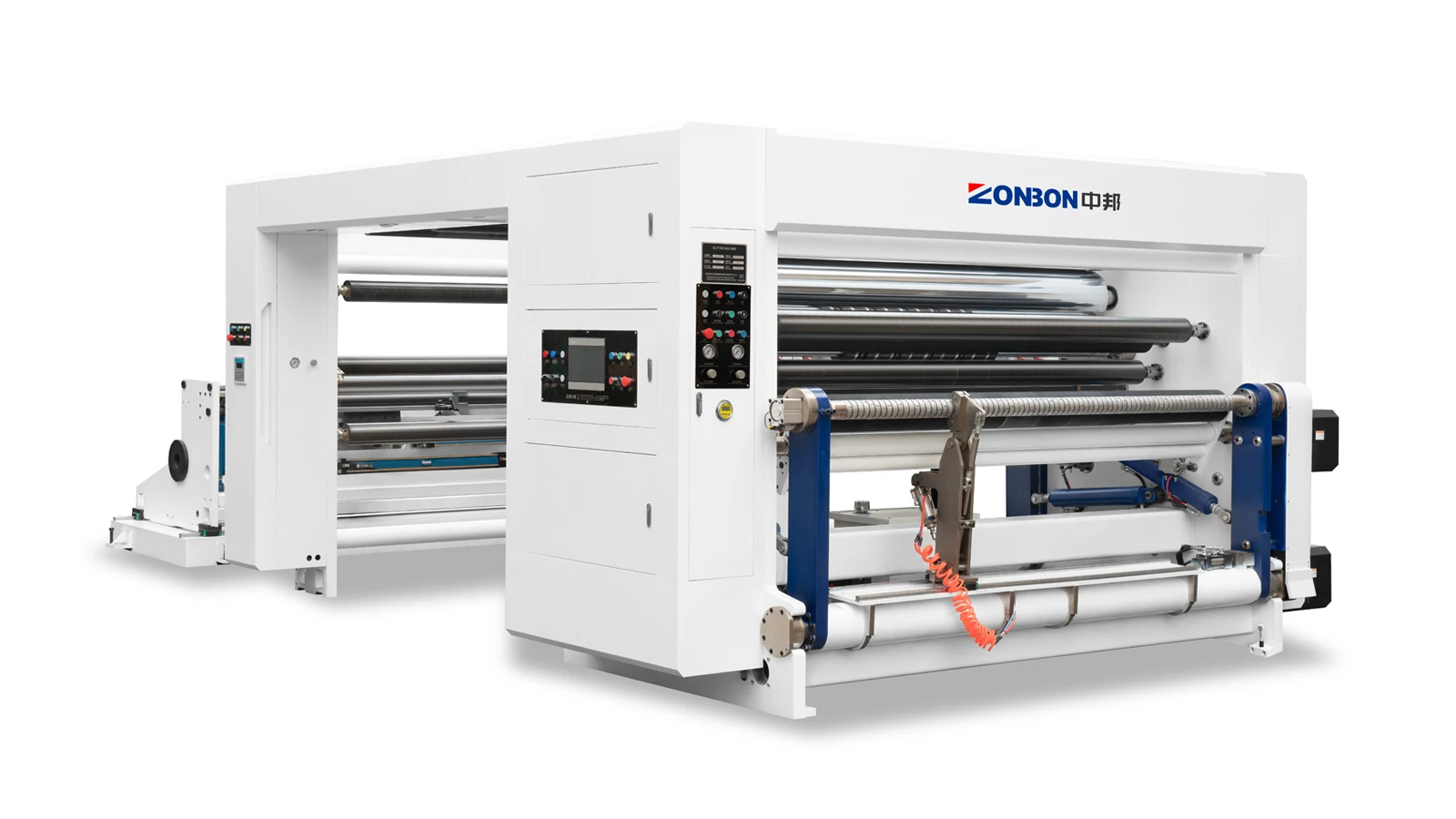
Slitting machines are used to convert large rolls of film, paper, or laminated materials into smaller rolls with precise widths. In flexible packaging production, slitting is the final quality control step before bag making.
After processes such as printing and lamination, materials are typically processed using a slitting and rewinding machine to ensure accurate roll dimensions and smooth rewinding.
Who Should Pay Special Attention to Slitting Machine Selection
- Flexible packaging manufacturers handling laminated films
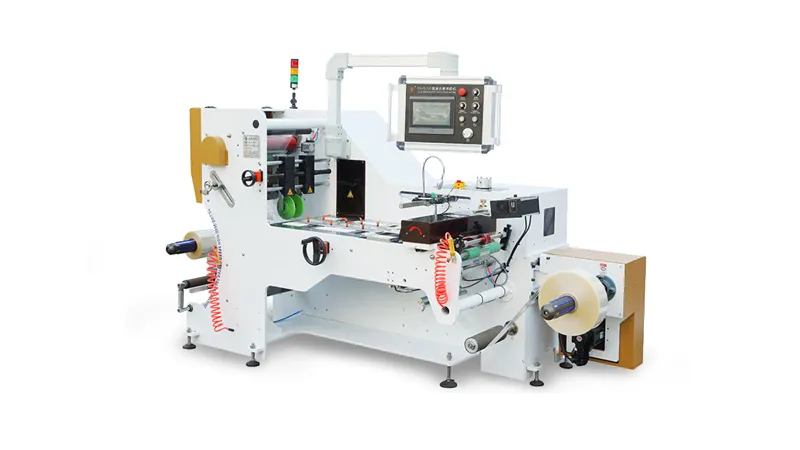
- Label converters requiring high precision
- Factories experiencing edge defects or uneven rolls
- Production lines with high-speed converting requirements
Common Problems Caused by Choosing the Wrong Slitting Machine
- Uneven roll edges (poor slitting precision)
- Wrinkles due to incorrect tension control
- Loose or telescoping rolls during rewinding
- Material deviation during high-speed operation
- Frequent downtime due to unstable performance
These issues often lead to production waste, customer complaints, and reduced efficiency.
Understanding Slitting Methods (Critical Decision Factor)
| Method | Best For | Key Advantage |
|---|---|---|
| Razor Slitting | Thin plastic films | Low cost, simple setup |
| Shear Slitting | Paper and laminates | High precision, clean edges |
| Score Slitting | Thick materials | Durability and stability |
The Most Important Factor: Tension Control
In slitting and rewinding, tension control is the most critical factor affecting product quality.
Poor tension control can cause wrinkles, stretching, or deformation of materials, especially in thin films such as BOPP or PET.
Modern machines use automatic tension control systems to maintain stable material flow throughout the process.
Rewinding Quality: What Most Buyers Overlook
Many buyers focus on cutting precision but ignore rewinding quality. However, improper rewinding can lead to:
- Loose rolls
- Telescoping rolls
- Difficult downstream processing
A high-quality slitting machine must ensure tight and uniform rewinding.
How to Choose Based on Your Production Type
For Flexible Packaging Films
Recommended: High-speed slitter rewinder with automatic tension control
Reason: Thin materials require precise tension management.
For Paper and Laminates
Recommended: Shear slitting system
Reason: Clean edges and stable performance.
For Label Materials
Recommended: Precision slitting machine
Reason: High accuracy and narrow width control.
Position of Slitting in the Production Line
Slitting machines are typically used after lamination processes. You can learn more about lamination in our guide on laminating machines.
After slitting, materials are often converted into finished products using bag making systems.
Working Directly With Slitting Machine Manufacturers
Working with manufacturers allows better customization of slitting width, tension systems, and rewinding configurations based on your production needs.
ZONBON Machinery: Slitting and Rewinding Solutions
ZONBON Machinery is a packaging machinery manufacturer located in China, specializing in converting equipment such as slitting machines, printing machines, and laminating systems.
For many years, the company focused on OEM manufacturing, supplying equipment to global distributors under different brand names.
Today, ZONBON Machinery provides direct solutions to customers worldwide, offering customized slitting and rewinding machines for different materials and applications.
Frequently Asked Questions
What is the difference between slitting and rewinding?
Slitting refers to cutting the material, while rewinding refers to winding the material into finished rolls.
Why is tension control important?
Tension control ensures material stability and prevents defects such as wrinkles and uneven rolls.
Which slitting method is best?
It depends on material type. Razor is best for thin films, while shear slitting is better for paper and laminates.
Information Sources
This guide is based on packaging industry production experience and converting machinery applications.