


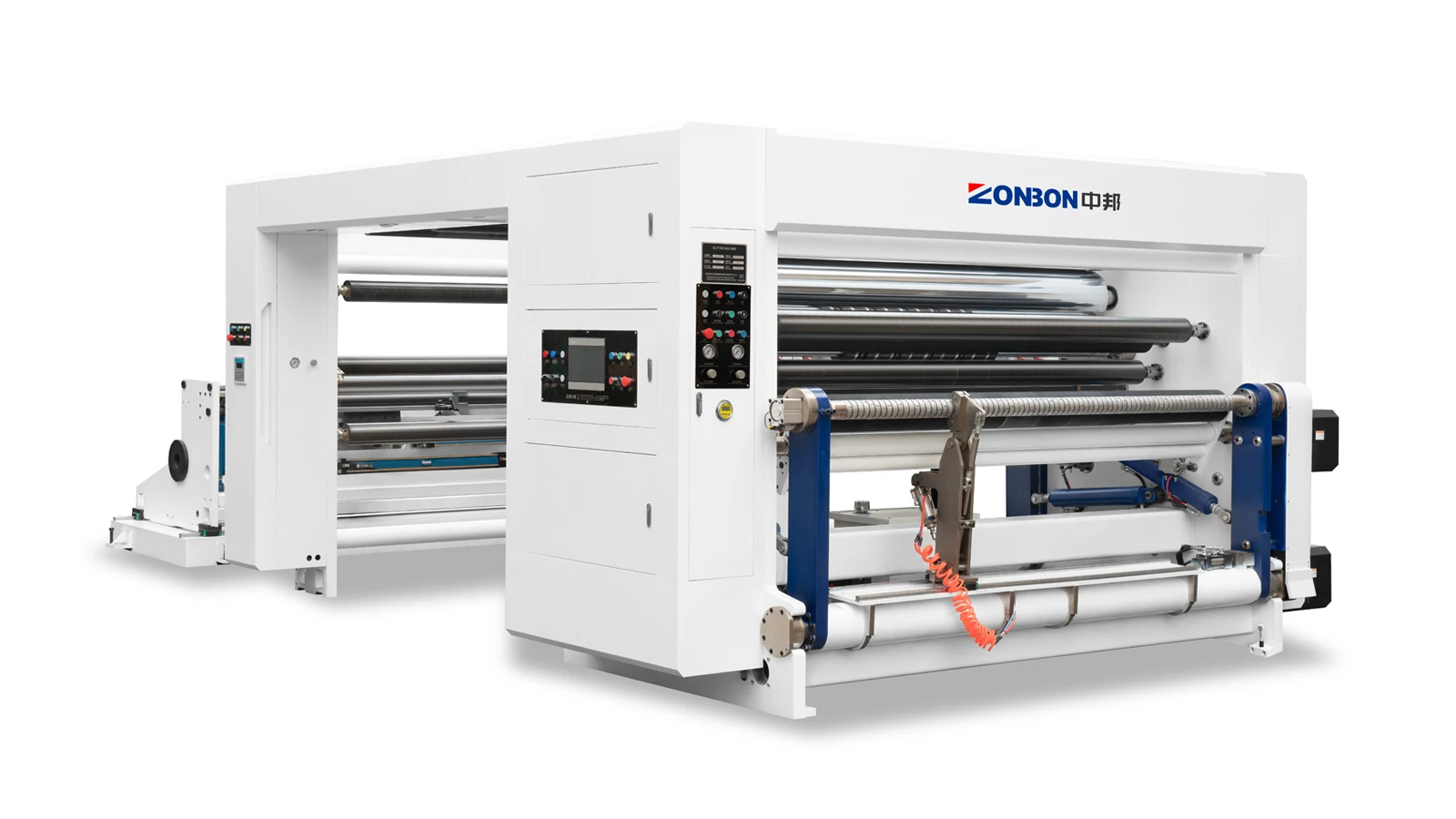


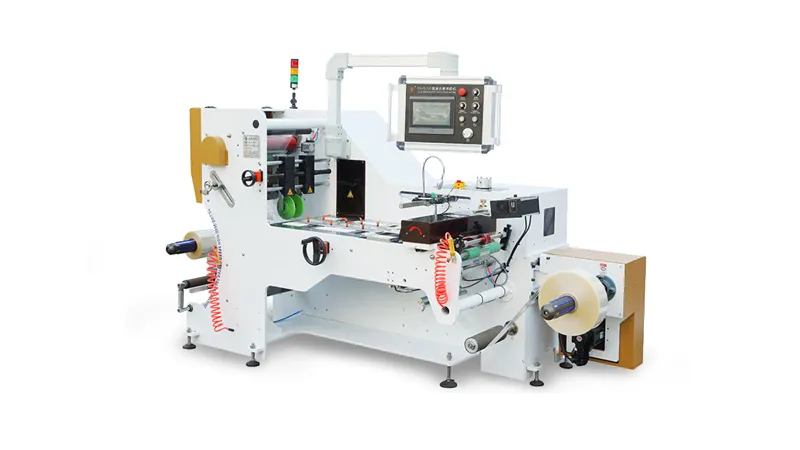

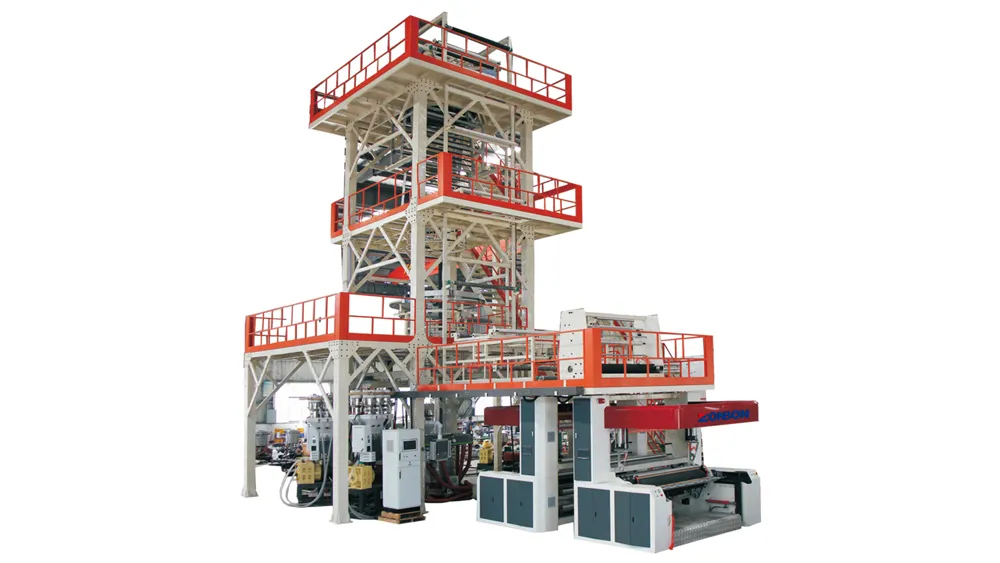
China Slitting Machine Manufacturer Selection Guide: What Global Buyers Should Check
Why Many Global Buyers Choose China Slitting Machine Manufacturers
China has become one of the world's important manufacturing bases for converting equipment, including slitting machines, printing machines, laminating machines, and other roll-to-roll processing equipment.
For global packaging manufacturers, film converters, paper processors, and equipment distributors, Chinese slitting machine manufacturers are often considered because they can provide competitive pricing, flexible customization, strong manufacturing capacity, and a wide range of machine configurations.
However, choosing a supplier from China should not be based only on price. A reliable slitting machine manufacturer should also demonstrate engineering capability, production experience, quality control procedures, export experience, and long-term technical support.
The right supplier can help buyers reduce investment risks, avoid unsuitable machine configurations, and achieve stable production performance after installation.
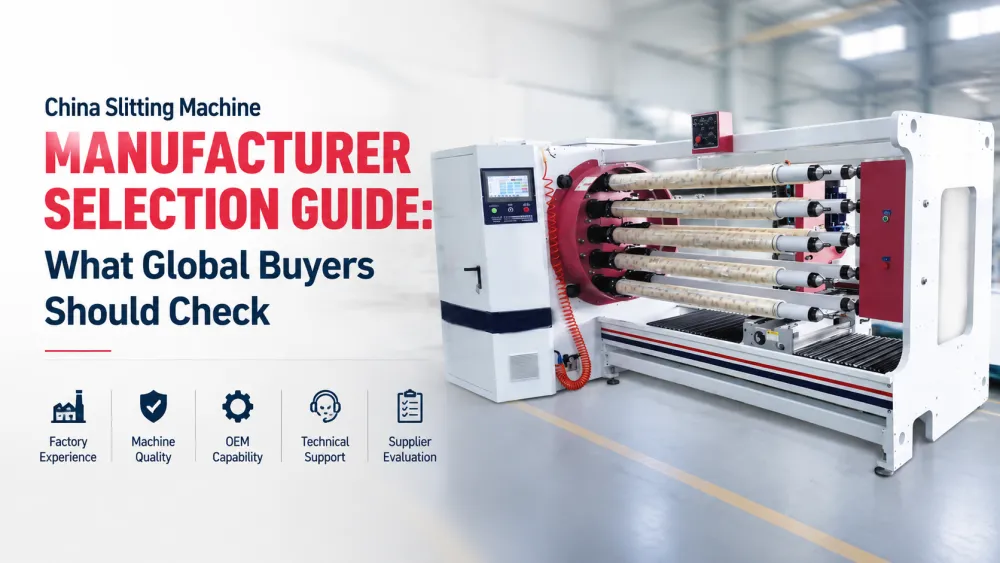
What Global Buyers Should Check Before Choosing a China Slitting Machine Manufacturer
Selecting a slitting machine manufacturer is a long-term business decision. The machine will directly influence production efficiency, material waste, product quality, and future expansion capability.
Before placing an order, buyers should evaluate several important factors beyond the machine quotation.
1. Manufacturing Experience and Industry Knowledge
A manufacturer's experience in slitting technology directly affects its ability to recommend suitable machine configurations for different materials and applications.
Experienced suppliers usually have deeper knowledge of:
- Flexible packaging film converting.
- Paper and specialty material processing.
- Aluminum foil slitting applications.
- Adhesive tape production requirements.
- Label and narrow-width roll converting.
For buyers, working with a manufacturer that understands different materials helps reduce the risk of purchasing equipment that cannot meet actual production requirements.
2. Engineering Capability and Customization Ability
Not every converting factory has the same production requirements. Material types, roll widths, finished roll sizes, production speed, and automation expectations can vary significantly between customers.
A capable slitting machine manufacturer should be able to analyze production requirements and recommend suitable configurations instead of offering only standard models.
Important engineering considerations include:
- Material compatibility.
- Slitting method selection.
- Unwinding and rewinding structure.
- Tension control requirements.
- Automation level.
- Future production expansion.
For example, a manufacturer processing flexible packaging films may require different rewinding technology compared with a company producing paper rolls or adhesive tapes.
3. Factory Production Capability
Before purchasing a slitting machine from China, buyers should understand whether the supplier has sufficient manufacturing capability to complete the project professionally.
A reliable factory should have:
- Dedicated assembly areas.
- Professional mechanical processing capability.
- Electrical control system integration.
- Machine testing procedures.
- Quality inspection processes.
Factory capability is especially important for distributors and agents because consistent machine quality directly affects their reputation in the local market.
4. Quality Control During Manufacturing
Machine quality is created throughout the manufacturing process, not only during final inspection.
Buyers should understand how the manufacturer controls:
- Mechanical component accuracy.
- Electrical system reliability.
- Assembly precision.
- Machine running tests.
- Final production inspection.
A proper quality control process helps reduce installation problems, unexpected downtime, and maintenance costs after delivery.
How to Evaluate Slitting Machine Quality Before Ordering
Before making a purchase decision, buyers should verify actual machine performance instead of relying only on brochures or technical specifications.
| Evaluation Item | Why It Matters |
|---|---|
| Machine Running Video | Shows actual operating condition and production stability. |
| Material Testing | Confirms whether the machine matches your specific materials. |
| Customer References | Provides evidence of previous project experience. |
| Factory Inspection | Helps verify manufacturing capability and quality procedures. |
| Technical Documentation | Ensures easier installation, operation, and maintenance. |
For international buyers, requesting production videos, customer cases, and machine testing records is an effective way to reduce purchasing uncertainty before shipment.
Why Export Experience Matters When Choosing a China Slitting Machine Manufacturer
For international buyers, purchasing a slitting machine from China involves more than evaluating equipment specifications. Communication efficiency, documentation, shipping experience, installation support, and after-sales service can directly affect the success of the project.
Manufacturers with international export experience usually understand the requirements of overseas customers, including different electrical standards, installation conditions, transportation requirements, and technical communication processes.
Before selecting a supplier, buyers should evaluate whether the manufacturer has experience supporting customers in different regions and industries.
Important Export Capabilities Buyers Should Check
- Experience shipping machines internationally.
- Understanding of different country electrical standards.
- Professional technical documentation.
- Remote installation guidance capability.
- Spare parts supply process.
- Long-term communication and technical support.
A supplier with strong export experience can help reduce unexpected problems during transportation, installation, and production startup.
How to Verify a China Slitting Machine Manufacturer Before Ordering
Many buyers worry about choosing the wrong supplier when purchasing industrial equipment internationally. A practical evaluation process can significantly reduce purchasing risks.
| Verification Item | What Buyers Should Check |
|---|---|
| Factory Background | Company history, production capability, and manufacturing experience. |
| Machine Applications | Whether the manufacturer has experience with similar materials and industries. |
| Production Testing | Whether machines are tested before shipment. |
| Customer Projects | Previous installations and application examples. |
| Technical Support | Availability of installation guidance and troubleshooting assistance. |
For buyers, real application experience is often more valuable than general product descriptions. A manufacturer that has successfully supplied similar machines is more likely to understand practical production challenges.
Why Material Application Experience Is Important
A slitting machine is not a one-size-fits-all solution. Different materials require different machine configurations, cutting methods, and rewinding systems.
A supplier experienced in flexible packaging films may understand different requirements compared with a supplier focused mainly on paper or industrial materials.
Before purchasing, buyers should ask whether the manufacturer has experience with:
- BOPP, PET, PE, and CPP films.
- Laminated flexible packaging structures.
- Paper rolls and specialty papers.
- Aluminum foil materials.
- Adhesive tapes and label materials.
A manufacturer's application knowledge helps ensure the selected machine configuration matches the actual production environment.
OEM Cooperation Considerations for Distributors and Agents
Many international distributors and machinery agents work with Chinese manufacturers to expand their product portfolios. However, long-term OEM cooperation requires more than simply purchasing machines at competitive prices.
Distributors should evaluate:
- Product quality consistency.
- Customization capability.
- Technical documentation support.
- Production capacity.
- Spare parts availability.
- Communication efficiency.
A reliable OEM partner helps distributors maintain customer satisfaction, reduce service problems, and build long-term market reputation.
Questions Distributors Should Ask Before Cooperation
- Can the machine configuration be customized for different markets?
- Can the manufacturer provide technical documents and marketing support?
- How are warranty and spare parts handled?
- Can the factory support customer-specific requirements?
- How does the supplier handle technical issues after delivery?
Common Mistakes When Buying Slitting Machines From China
Many purchasing problems can be avoided by evaluating suppliers more carefully before placing an order.
Choosing Only Based on Price
A lower purchase price does not always mean lower total cost. Machines with poor stability, limited support, or unsuitable configurations may create higher expenses through downtime, waste, and maintenance.
Ignoring Material Compatibility
A machine designed for one application may not perform well for another material. Buyers should provide detailed production information before accepting a quotation.
Focusing Only on Maximum Speed
Maximum speed is only one specification. Stable production quality, rewinding performance, tension control, and long-term reliability are often more important.
Not Checking After-Sales Support
Technical support after delivery can significantly influence production startup and long-term machine operation.
Before purchasing, buyers should understand how the supplier provides installation guidance, troubleshooting support, and spare parts services.
China vs European Slitting Machine Manufacturers: How Should Buyers Compare?
When comparing slitting machine manufacturers from different countries, buyers should focus on overall value rather than simply choosing based on origin. Manufacturers from China and Europe both provide reliable solutions, but their advantages may differ depending on project requirements, budget expectations, customization needs, and service preferences.
| Comparison Factor | China Slitting Machine Manufacturers | European Slitting Machine Manufacturers |
|---|---|---|
| Equipment Investment | Often provides competitive investment options with flexible configurations. | Usually positioned in premium market segments with higher initial investment. |
| Customization Flexibility | Generally flexible for customized machine configurations and project requirements. | Often focuses on standardized high-end solutions. |
| Manufacturing Capability | Strong production capacity with a wide range of converting equipment experience. | Strong engineering tradition and advanced manufacturing processes. |
| Technical Support | Depends on manufacturer experience, export capability, and service system. | Usually supported by established regional service networks. |
| Suitable Buyers | Converters, distributors, and manufacturers seeking flexible solutions and competitive value. | Companies requiring premium solutions and established brand preference. |
The best choice depends on the buyer's actual production requirements. A reliable supplier should be evaluated by machine performance, engineering capability, application experience, service support, and long-term value rather than geographical location alone.
Buyer Checklist Before Purchasing a Slitting Machine
Before placing an order, buyers should prepare detailed production information and evaluate suppliers using a structured checklist. This helps avoid incorrect machine selection and reduces risks during installation and operation.
| Evaluation Category | Questions Buyers Should Ask |
|---|---|
| Material Requirements | Can the machine process my materials, thickness range, and roll structures? |
| Machine Configuration | Is the slitting method, rewinding system, and automation level suitable? |
| Production Capacity | Does the machine meet current output requirements and future expansion plans? |
| Quality Control | How does the manufacturer test machine performance before shipment? |
| Installation Support | What technical assistance is available during commissioning? |
| After-Sales Service | How are spare parts, troubleshooting, and technical questions handled? |
| Supplier Experience | Has the manufacturer completed similar projects for related industries? |
A complete evaluation process helps buyers compare suppliers based on long-term production results instead of only comparing initial quotations.
What Information Should Buyers Prepare Before Requesting a Quotation?
Providing accurate production information allows manufacturers to recommend more suitable slitting machine configurations.
Before contacting suppliers, buyers should prepare:
- Material type and structure.
- Material thickness range.
- Jumbo roll width and diameter.
- Finished roll width requirements.
- Required production speed.
- Expected daily or monthly output.
- Required automation level.
- Special production requirements.
The more detailed the production information, the easier it is for suppliers to recommend a machine that matches actual application requirements.
How a Reliable Manufacturer Helps Reduce Purchasing Risks
Choosing a slitting machine manufacturer is not only about purchasing equipment. It is about selecting a long-term production partner that can support machine performance throughout its service life.
A reliable manufacturer should help buyers with:
- Application analysis before purchase.
- Suitable machine configuration recommendations.
- Production testing before shipment.
- Installation guidance.
- Operator training.
- Technical troubleshooting.
- Spare parts support.
For global buyers, these factors can significantly reduce production risks and improve the return on equipment investment.
Choosing the Right Slitting Machine Supplier for Long-Term Success
A successful slitting machine investment depends on selecting the right combination of equipment technology, supplier capability, and application experience.
The lowest quotation is not always the best choice, because machine stability, material compatibility, technical support, and production efficiency have a direct impact on long-term operating costs.
Global buyers should evaluate manufacturers based on their ability to understand production challenges, provide suitable configurations, and support stable operation after installation.
When comparing different slitting machines, buyers should focus on the complete value of the solution, including machine performance, engineering support, and long-term reliability.
FAQ: China Slitting Machine Manufacturer Selection Guide
What should I check before choosing a China slitting machine manufacturer?
Buyers should check manufacturing experience, application knowledge, quality control procedures, export capability, technical support, and previous customer experience before making a decision.
Is buying a slitting machine from China a reliable option?
Yes, many global converters and distributors purchase slitting machines from China because experienced manufacturers can provide competitive solutions, customization flexibility, and international technical support.
How can I verify a Chinese slitting machine supplier?
Buyers can verify suppliers by reviewing factory information, production videos, customer references, machine testing records, technical documents, and previous projects with similar materials.
Should I choose the cheapest slitting machine supplier?
No. The lowest price may not provide the best long-term value. Buyers should compare machine stability, production performance, maintenance requirements, and technical support in addition to purchase cost.
What information does a manufacturer need before recommending a slitting machine?
Manufacturers usually need information about material type, thickness, roll width, finished roll size, production speed, output requirements, and application details to recommend suitable configurations.
What is important for distributors selecting an OEM slitting machine partner?
Distributors should evaluate product consistency, customization ability, technical documentation, spare parts support, production capacity, and communication efficiency to build a stable long-term partnership.