





How a Factory Built a Complete Label Production Line from Scratch
From Zero to a Complete Workflow
Starting a label factory is not only about buying a printing machine. A complete label production line needs to be planned as a connected workflow covering printing, die cutting, slitting, inspection, and finished roll handling. This project scenario shows how a factory structured its label production line from scratch with better scalability and clearer production logic.
Why the Factory Needed a Full Label Production Plan
The investor wanted to enter the label market with a production line capable of handling common self-adhesive label jobs while leaving room for future business expansion. Instead of purchasing equipment one machine at a time, the project was planned as a complete manufacturing workflow from the beginning.
This was important because label production depends on more than print quality. A commercially successful line must also support clean die cutting, stable slitting, finished roll quality, and reliable inspection before delivery.
Main Sections of the Label Production Line
Printing Section
The production line begins with a label printing system that supports repeat jobs, multiple colors, and stable registration on label materials.
Die Cutting Section
Printed label material must be converted into the final shape accurately. This stage directly affects the commercial quality of the finished label.
Slitting Section
The master roll is converted into narrower finished rolls that meet final delivery and application requirements.
Inspection & Finishing
Final inspection and roll handling reduce defect risk and improve delivery confidence for the customer.
How the Factory Structured the Project Step by Step
Step 1: Define the Target Label Product Range
The project started with the final label application, material type, and order structure — not with a machine brand. This made the equipment plan more practical.
Step 2: Plan Printing and Converting Together
The line was built as one connected system, so printing, die cutting, slitting, rewinding, and inspection could support each other instead of becoming isolated machine decisions.
Step 3: Leave Room for Growth
The setup was designed to allow future product expansion and higher output without forcing the factory to rebuild the whole workflow too early.
Step 4: Focus on Repeatability, Not Just Startup Performance
The real goal was to create a line that could run consistently day after day, not just look good during initial testing.
Machines Included in the Production Direction
Label Printing Machine
Core front-end processThe printing section must support label material handling, registration stability, and repeat-job consistency. For label printing projects that also need broader packaging flexibility, a flexographic printing machine can be a suitable equipment direction.
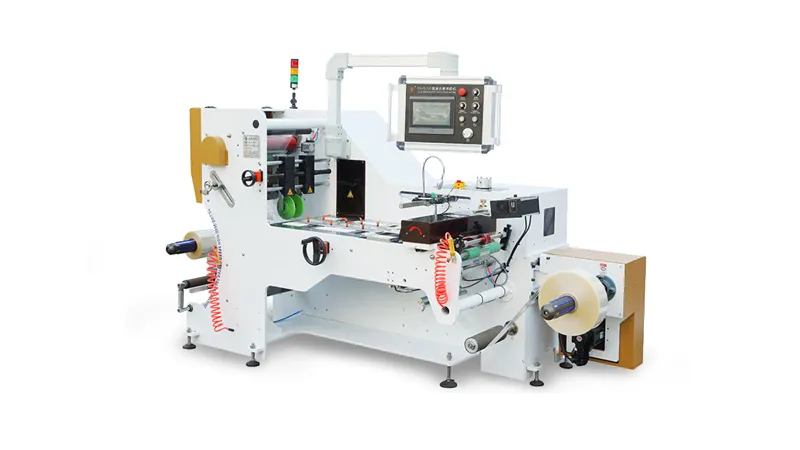
Die Cutting Machine
Shape conversion stageDie cutting determines whether the printed web can be converted into finished label format with consistent edge quality and commercial accuracy.
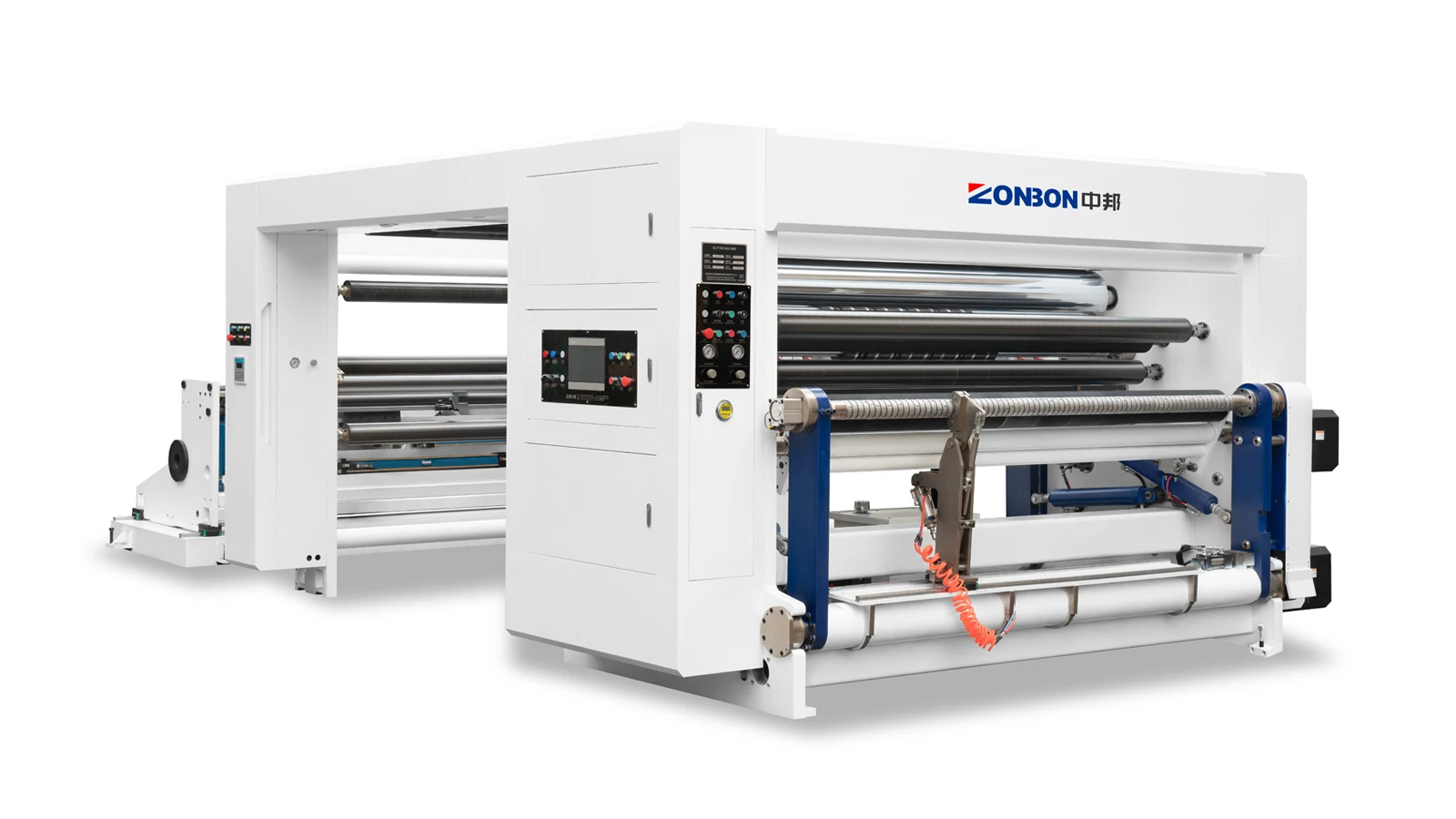
Slitting and Rewinding
Finished roll preparationFinished label rolls must be slit accurately and rewound cleanly. A stable slitting machine direction is important for roll quality, delivery format, and downstream usability.
Inspection System
Quality assurance supportInspection strengthens output reliability by reducing the chance that print or converting defects continue unnoticed into final delivery.
What New Label Factories Often Get Wrong
Buying a Printing Machine First, Then Solving the Rest Later
This often creates a fragmented setup where converting and finishing requirements are treated as secondary, even though they directly affect final output quality.
Ignoring Finished Roll Requirements
A line may print well but still fail commercially if the final slit rolls are unstable or inconvenient for customer use.
Building Only for Current Orders
A setup that barely fits today's demand can quickly become a limitation when product range or order volume grows.
Who This Line Setup Approach Is Most Suitable For
New Label Investors
Businesses entering label production and wanting a complete process view from the start.
Converters Expanding Into Labels
Packaging companies adding label production as a new business segment.
Factories Planning for Future Growth
Manufacturers who want a line structure that will not become inefficient too quickly.
ZONBON Machinery for Practical Label Production Planning
ZONBON Machinery supports printing and converting projects with practical equipment planning based on production workflow, not only on single-machine specifications. For many years, machines from the factory were supplied through trading companies and sold under different overseas brands. Today, the factory is expanding direct cooperation for customers who want clearer communication and more practical project support.
Frequently Asked Questions
What machines are usually needed for a label production line?
A complete label line usually includes printing, die cutting, slitting or rewinding, and inspection-related equipment.
Should a new factory start with a complete line or grow gradually?
Either approach can work, but the full workflow should be planned from the beginning so later expansion does not create structural inefficiency.
Why is converting just as important as printing in label production?
Because commercial label quality depends not only on print appearance, but also on cut accuracy, finished roll quality, and reliable final delivery format.
Information Note
This article is written as a representative label factory setup scenario based on common workflow planning needs in label printing and converting projects.