





Inside a Flexible Packaging Production Line Setup for a Growing Factory
Inside a Flexible Packaging Production Line Setup for a Growing Factory
As order volume increased, a packaging factory needed a more scalable production structure for printed flexible packaging. Instead of solving one bottleneck at a time, the project focused on planning a complete production line covering printing, lamination, slitting, and bag making.
Why the Factory Needed a Full Line Setup Instead of a Single Machine Upgrade
The factory was already serving customers in food packaging and daily-use flexible packaging, but demand growth exposed a bigger problem: the production process was no longer balanced. Individual machine upgrades could improve one section of the workflow, but the entire line still lacked coordination.
The real need was not just a faster machine. It was a better production structure — one where printing quality, lamination performance, roll handling, and finished bag output could all work together more efficiently.
Main Production Stages in the Flexible Packaging Setup
Printing
Branding, graphics, product information, and repeat design control on packaging films.
Laminating
Bonding multiple layers to improve barrier properties, strength, and packaging performance.
Slitting
Converting larger rolls into narrower rolls with accurate width and stable rewinding quality.
Bag Making
Transforming laminated rolls into finished pouches or bags ready for filling and shipment.
Equipment Used in This Production Line Direction
Flexographic or Rotogravure Printing Machine
The printing stage depends on order structure, design complexity, and production volume. For more flexible job handling, the line can use a flexographic printing machine. For larger-volume, high-detail packaging, gravure may be more suitable.
Laminating Machine
After printing, the materials are laminated to build the final packaging structure. This step is essential for barrier performance, protection, and final packaging durability.
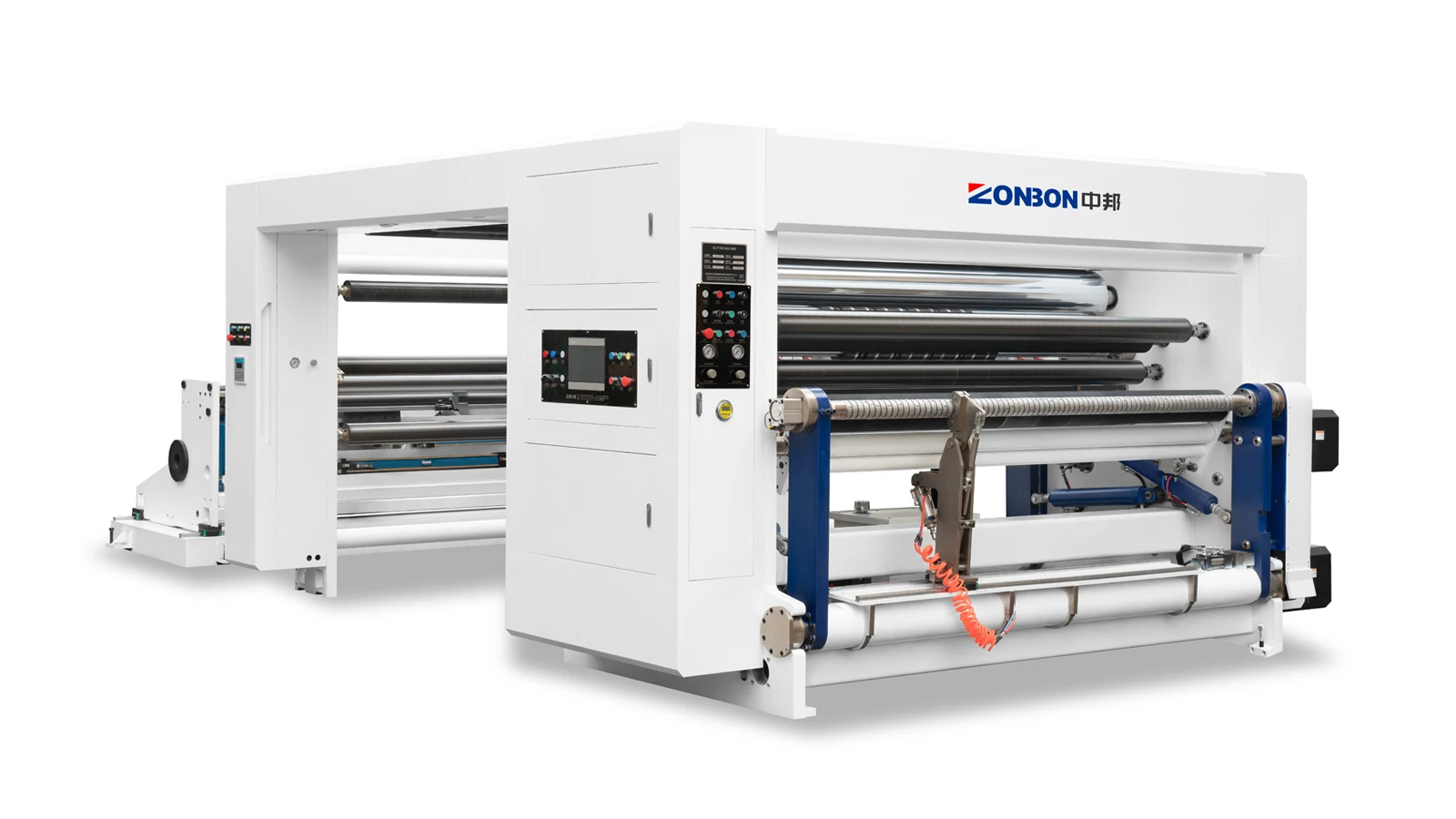
Slitting and Rewinding Machine
Once laminated, the large master roll must be slit into the correct widths for downstream converting. Stable rewinding quality is especially important for smooth bag making performance.
Bag Making Machine
The final stage converts rolls into finished pouches or bags. Configuration depends on whether the factory is producing side seal bags, stand-up pouches, zipper bags, or other flexible packaging formats.
What Usually Goes Wrong When a Packaging Factory Expands Without Full Line Planning
Printing Capacity and Converting Capacity Do Not Match
One machine may become faster while downstream processes remain unchanged, creating new bottlenecks instead of solving old ones.
Lamination Quality Becomes the Hidden Constraint
A factory may improve print output but still struggle if laminated structures cannot move smoothly into slitting and bag making.
Roll Quality Affects Final Bag Quality
If slitting and rewinding are unstable, bag making performance will also suffer, even when the upstream printing quality is good.
Expansion Happens Without Workflow Logic
Buying separate machines at different times without a production plan often creates integration problems later.
How the Line Was Structured for Growth
Instead of selecting machines as separate purchases, the line was planned as a connected production system. The objective was to support more output, reduce coordination problems, and make future upgrades easier.
- Match printing method to actual order structure
- Build lamination around final packaging needs
- Ensure slitting stability before bag making
- Leave room for capacity expansion
Best-Fit Factory Types for This Production Model
Growing Flexible Packaging Plants
Factories that already have market demand but need stronger production structure for higher order volume.
Converters Expanding Beyond Basic Roll Supply
Companies moving from printed rolls toward more complete pouch and bag production.
Investors Planning a New Packaging Line
Businesses building a new project and wanting to avoid fragmented machine decisions.
ZONBON Machinery for Flexible Packaging Line Planning
ZONBON Machinery provides packaging equipment for flexible packaging production, including printing, laminating, slitting, and bag making systems. For many years, machines from the factory were supplied through trading companies and sold under different overseas brands. Today, the factory is expanding direct cooperation with customers who want more practical project communication and manufacturer-based support.
Frequently Asked Questions
What machines are usually included in a flexible packaging production line?
A typical line includes printing equipment, a laminating machine, a slitting and rewinding machine, and a bag making machine. The exact configuration depends on packaging type and production volume.
Should a factory buy all machines at once?
Not always, but the production logic should be planned in advance. Even if purchasing is phased, the full line structure should be considered from the beginning.
What is the biggest mistake in line expansion?
Upgrading one process without considering how it affects the rest of the workflow. A balanced line is usually more valuable than one fast machine surrounded by weaker downstream processes.
Information Note
This article is written as a representative production line planning scenario based on common flexible packaging factory expansion needs and packaging workflow design logic.