





Label Printing and Converting Equipment Guide (2026) | Complete Production Line
Setting up a label production line requires more than just a printing machine. This guide explains what equipment is needed for label printing and converting, helping you build an efficient and scalable label manufacturing process.
Label converting refers to the process of printing, cutting, and finishing labels into final products. Depending on your production needs, a complete label production line may include multiple machines working together.
What is Label Printing and Converting?
Label converting is the process of transforming raw materials such as adhesive label stock into finished labels. This process typically includes printing, die cutting, slitting, and inspection.
Modern label production lines are designed to handle high-speed production while maintaining precision and consistency.
Complete Label Production Line Overview
A typical label manufacturing setup includes the following equipment:
- Flexographic Printing Machine
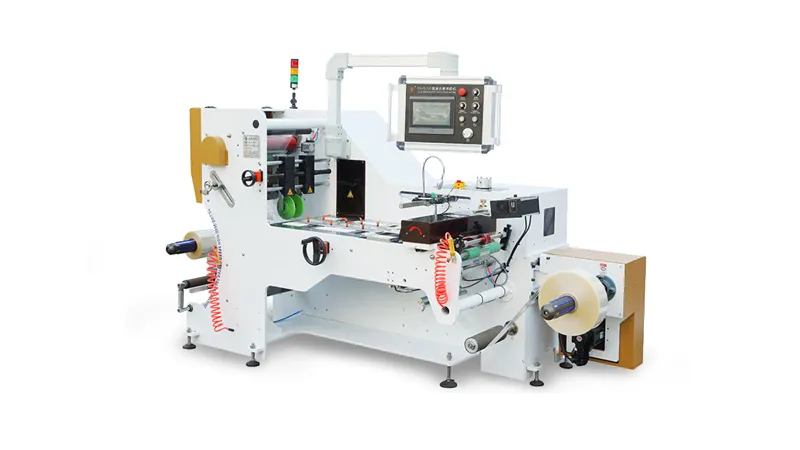
- Label Die Cutting Machine
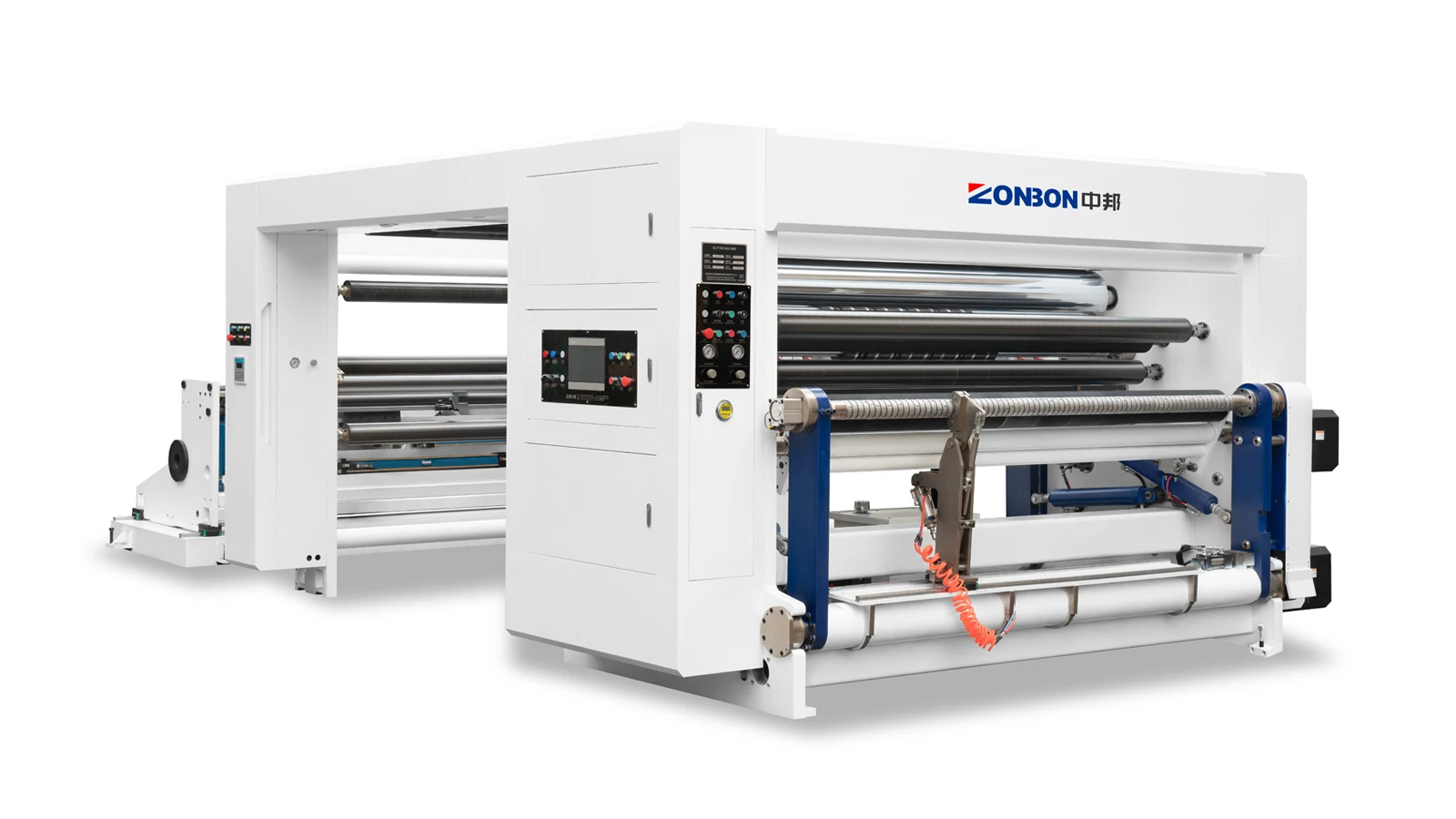
- Slitting Machine
- Inspection Machine
- Rewinding System
Each machine plays a specific role in the label production process, and selecting the right combination depends on your application and production volume.
Key Machines in Label Production
Flexographic Printing Machine
Used for printing labels with high speed and flexibility. Ideal for self-adhesive labels, BOPP labels, and paper labels.
Label Die Cutting Machine
Used to cut labels into specific shapes. This process can be semi-rotary or full rotary depending on production speed and precision requirements.
Slitting Machine
Used to convert large rolls into smaller rolls suitable for final application. Precision slitting is essential for label quality.
Inspection Machine
Used to detect printing defects and ensure consistent quality before delivery.
Recommended Setup Based on Your Business Type
Small Label Business (Entry Level)
Recommended:
- Small flexo printing machine
- Semi-rotary die cutting machine
- Basic slitting machine
Medium Production Factory
Recommended:
- Multi-color flexo printing machine
- Full rotary die cutting system
- High-precision slitting machine
High-Speed Industrial Production
Recommended:
- Servo-driven flexo printing press
- Inline die cutting and slitting system
- Automatic inspection system
Common Mistakes When Setting Up a Label Production Line
- Buying machines separately without considering integration
- Choosing low-precision die cutting equipment
- Ignoring inspection and quality control systems
- Overinvesting in high-end equipment without sufficient demand
A well-designed production line should focus on efficiency, stability, and scalability.
Working Directly With Label Equipment Manufacturers
Many label converters choose to work directly with machine manufacturers to ensure better customization and system integration.
ZONBON Machinery: Providing Label Converting Solutions
ZONBON Machinery is a packaging machinery manufacturer with experience in label printing and converting equipment.
The company provides complete solutions including flexographic printing machines, die cutting machines, and slitting systems.
For many years, machines produced by ZONBON were supplied to international distributors under different brand names.
Today, ZONBON offers direct cooperation for customers seeking reliable and cost-effective label production solutions.
Frequently Asked Questions
What machines are needed for label production?
A typical label production line includes a printing machine, die cutting machine, slitting machine, and inspection system.
Is flexo printing suitable for labels?
Yes, flexographic printing is one of the most widely used technologies for label production.
What is the difference between semi-rotary and rotary die cutting?
Semi-rotary die cutting is more flexible for short runs, while rotary die cutting is faster for large production volumes.
Information Sources
This guide is based on label converting industry practices and packaging machinery applications.