





Fixing Slitting Deviation and Wrinkle Issues in Film Converting
Fixing Slitting Deviation and Wrinkle Issues in Film Converting
In film converting, slitting deviation and wrinkle defects often appear together. One affects width accuracy and roll alignment, while the other weakens downstream handling and finished roll quality. This production report shows how a converter improved stability by addressing web handling, tension behavior, and rewinding consistency as one connected system.
Where the Problem Appeared
The issue occurred in flexible film converting, where laminated or printed rolls were being slit and rewound into narrower finished rolls. At first, the defects appeared inconsistent, but over time the team noticed a pattern: deviation and wrinkling became more visible during speed changes, thinner materials, and longer runs.
More Than a Cosmetic Defect
Slitting deviation affects roll accuracy and edge quality. Wrinkles affect web flatness and rewinding stability. Together, they reduce converting confidence, increase waste risk, and create problems for downstream pouch or bag production.
What the Team Was Actually Seeing on the Machine
Web Tracking Drift
The material path did not remain perfectly stable, which made the slit position less predictable across the run.
Wrinkles Near the Converting Path
Wrinkles were observed more clearly when the web was under unstable tension or when material flatness changed across the roll.
Finished Rolls Lacked Uniformity
Even when the material looked acceptable at one point, rewound rolls did not always maintain the same consistency.
Higher Operator Intervention
The line required more correction and attention, which reduced operating efficiency and repeatability.
Why Slitting Deviation and Wrinkles Often Happen Together
How the Process Was Stabilized
Re-check the Full Material Path
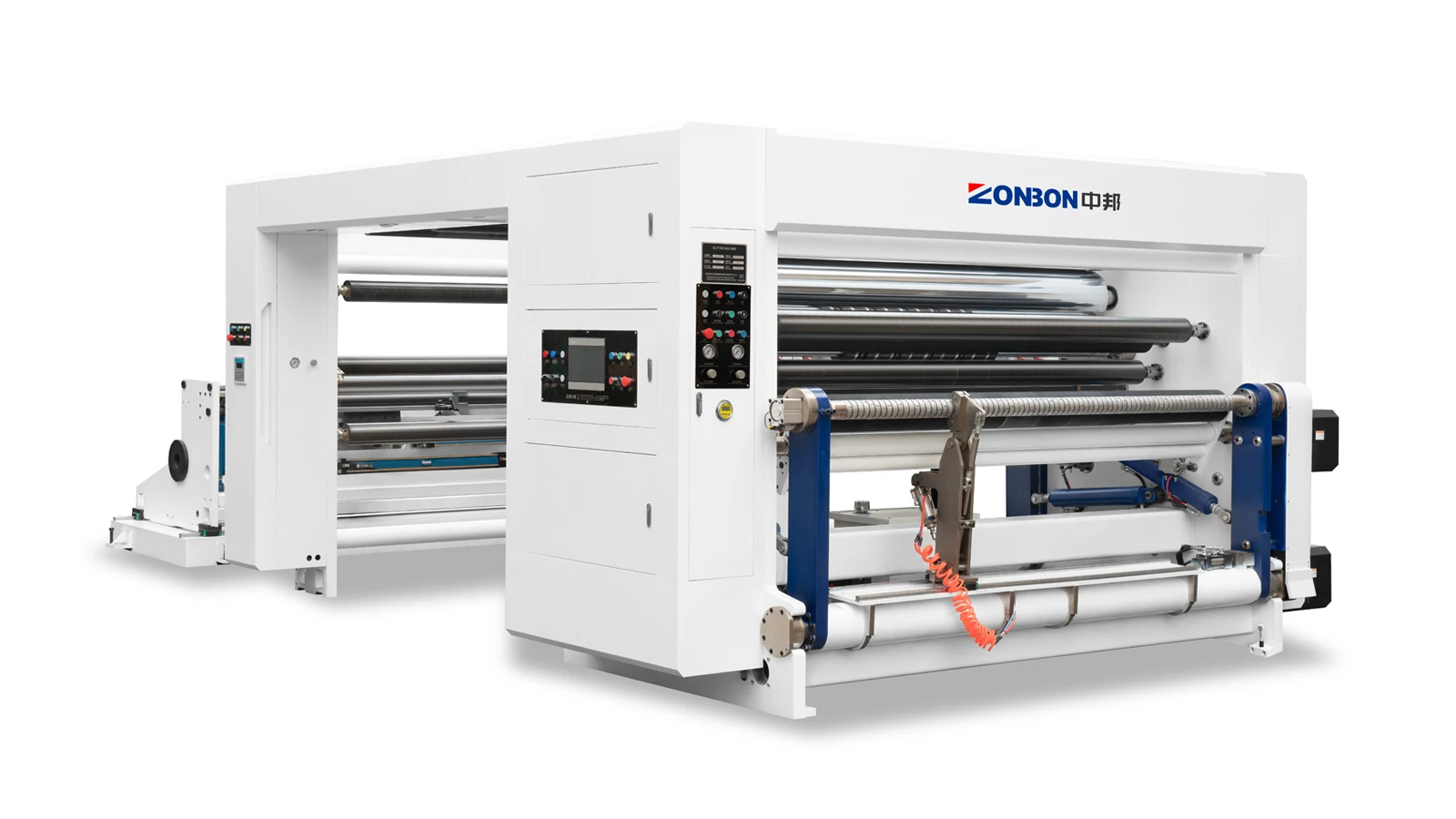
The line was reviewed as a complete web handling system rather than only a cutting section. This made it easier to identify where tracking stability started to weaken.
Improve Tension Consistency Across the Run
Tension behavior was treated as a primary control factor. Stabilizing tension reduced both web drift and wrinkle formation, especially during speed changes and with thinner films.
Focus on Rewinding Quality, Not Only Cutting Accuracy
The team addressed roll build consistency so that finished rolls would remain tighter, flatter, and more stable after slitting.
Reduce Reactive Operator Correction
The goal was to make the line behave more predictably on its own instead of relying on repeated intervention during operation.
What Improved After the Process Was Corrected
More Stable Tracking
Slit position became more predictable and less vulnerable to drift during normal operation.
Reduced Wrinkle Risk
Better web control helped reduce deformation that previously affected film quality and rewinding behavior.
Improved Finished Roll Quality
Roll build became more uniform, improving downstream handling confidence.
Better Process Repeatability
Similar jobs became easier to run with fewer corrective actions.
How Converters Can Reduce These Problems Earlier
In many converting lines, slitting deviation and wrinkles are handled as separate issues. In practice, they are often linked through the same process instability. That is why prevention should focus on web behavior as a complete system.
- Maintain stable and appropriate tension throughout the run
- Review web path alignment, not only knife settings
- Pay attention to rewinding consistency as part of quality control
- Evaluate machine stability based on repeatability, not only speed
Where This Connects to Equipment Decisions
Slitting deviation and wrinkle problems are closely tied to line stability, web handling design, and rewinding performance. For buyers evaluating converting upgrades, the real priority is often not just slit width capability, but how stably the machine handles different materials over time.
Information Note
This article is written as a representative film converting troubleshooting scenario based on common slitting deviation and wrinkle problems in flexible packaging production.