





Food Packaging Bag Making Machines: A Complete Guide for Snack, Frozen Food & Pouch Production
Why Different Food Packaging Bags Require Different Machines
Food packaging is one of the fastest-growing sectors in the flexible packaging industry. From snack foods and frozen meals to coffee, pet food, spices, and ready-to-eat products, manufacturers rely on different bag structures to protect products, extend shelf life, and improve consumer convenience.
However, many buyers assume that one bag making machine can produce every type of food package. In reality, each packaging format has unique sealing requirements, material structures, and production processes that determine which machine is required.
Choosing equipment based only on price or machine model often leads to costly mistakes. The better approach is to begin with the finished package, understand how it is manufactured, and then select the production equipment that best matches the product.
This guide explains the most common food packaging bag types, their materials, manufacturing workflow, and how to match each product with the right bag making machine.
Common Food Packaging Bags and Their Applications
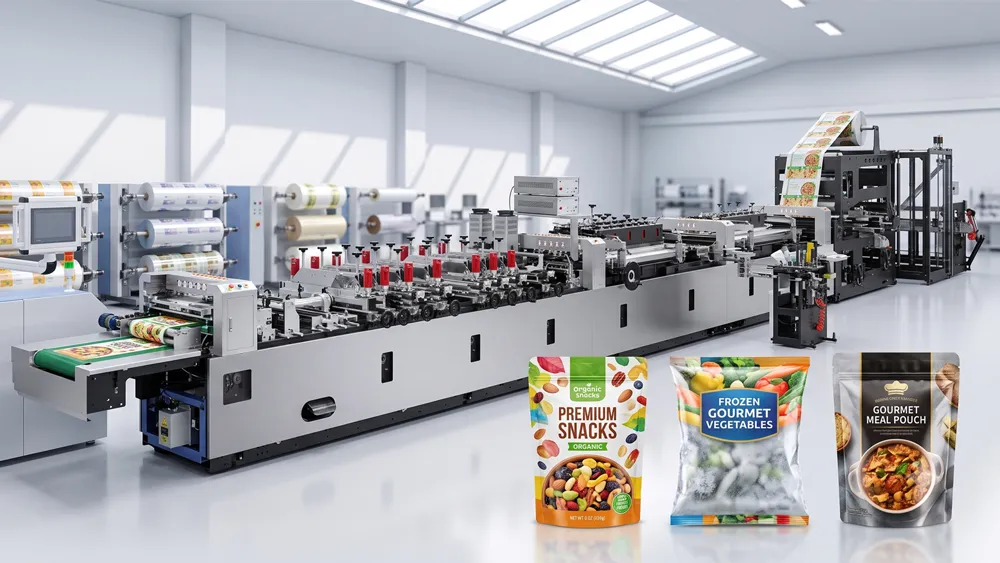
Modern food packaging includes a wide range of bag structures designed for different products, shelf-life requirements, filling methods, and branding strategies.
| Food Product | Typical Bag Type | Main Features | Typical Machine |
|---|---|---|---|
| Potato Chips | Pillow Bag | Back center seal | Center Seal Bag Making Machine |
| Frozen Food | Three-Side Seal Bag | Strong sealing performance | Three-Side Seal Bag Making Machine |
| Coffee Beans | Stand-Up Zipper Pouch | Resealable, premium appearance | Stand-Up Pouch Machine |
| Pet Food | Stand-Up Pouch | High load capacity | Stand-Up Pouch Machine |
| Spices | Three-Side Seal Bag | Compact packaging | Three-Side Seal Bag Making Machine |
| Nuts & Dried Fruits | Zipper Pouch | Resealable packaging | Ziplock Bag Making Machine |
| Sauces | Spouted Pouch | Liquid dispensing | Spouted Pouch Machine |
| Vacuum Meat Products | Vacuum Bag | High barrier protection | Vacuum Bag Making Machine |
As food packaging becomes more diversified, manufacturers increasingly invest in flexible production lines capable of supporting multiple bag structures.
Understanding Food Packaging Bag Structures
Before selecting equipment, buyers should first identify the bag structure rather than focusing on the printed design.
Each structure requires different sealing technologies and machine configurations.
| Bag Structure | Typical Applications | Production Complexity |
|---|---|---|
| Center Seal Bag | Snack foods | Medium |
| Three-Side Seal Bag | Frozen foods, seasonings | Medium |
| Stand-Up Pouch | Coffee, pet food | High |
| Zipper Pouch | Nuts, snacks | High |
| Spouted Pouch | Beverages, sauces | Very High |
| Vacuum Bag | Meat & seafood | Medium |
Even when two bags appear visually similar, differences in the bottom gusset, zipper, spout, or sealing design may require completely different machinery.
Material Structures Used in Food Packaging
Food packaging materials are selected based on barrier performance, sealing strength, puncture resistance, shelf-life requirements, and food safety regulations.
| Material Structure | Typical Products | Main Advantages |
|---|---|---|
| PET / PE | Frozen foods | Reliable sealing performance |
| BOPP / CPP | Snack foods | Excellent print quality |
| PET / VMPET / PE | Coffee | High oxygen barrier |
| NY / PE | Vacuum packaging | Puncture resistance |
| PET / AL / PE | Retort food | Maximum barrier protection |
| Paper / PE | Eco-friendly food packaging | Sustainable appearance |
Material selection affects not only package performance but also machine configuration, sealing temperature, web tension, and production speed.
The Complete Food Packaging Production Workflow
Most flexible food packaging follows a similar manufacturing process before the finished bags are filled with products.
- Graphic Design & Prepress
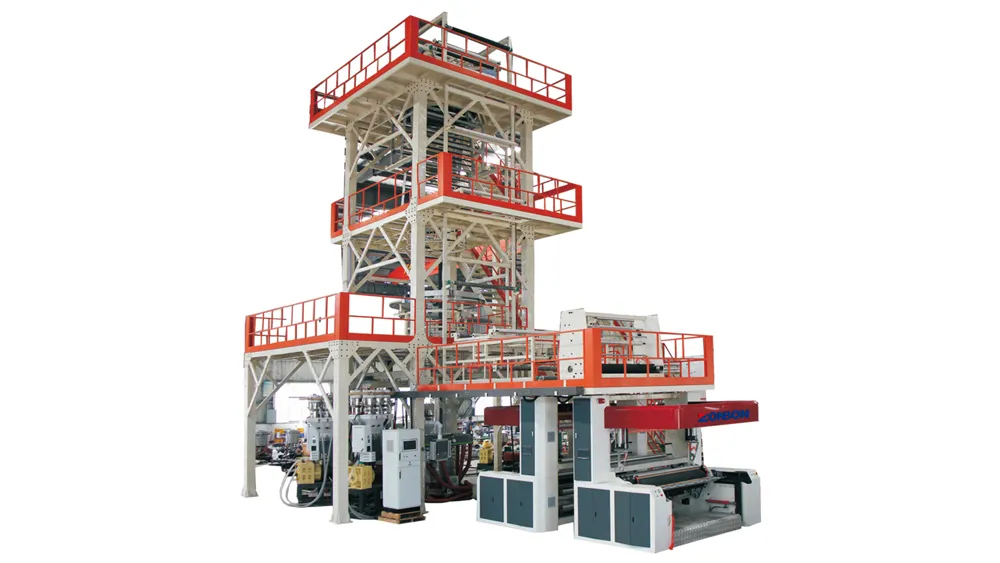
- Film Printing (Flexographic or Rotogravure)
- Lamination (if required)
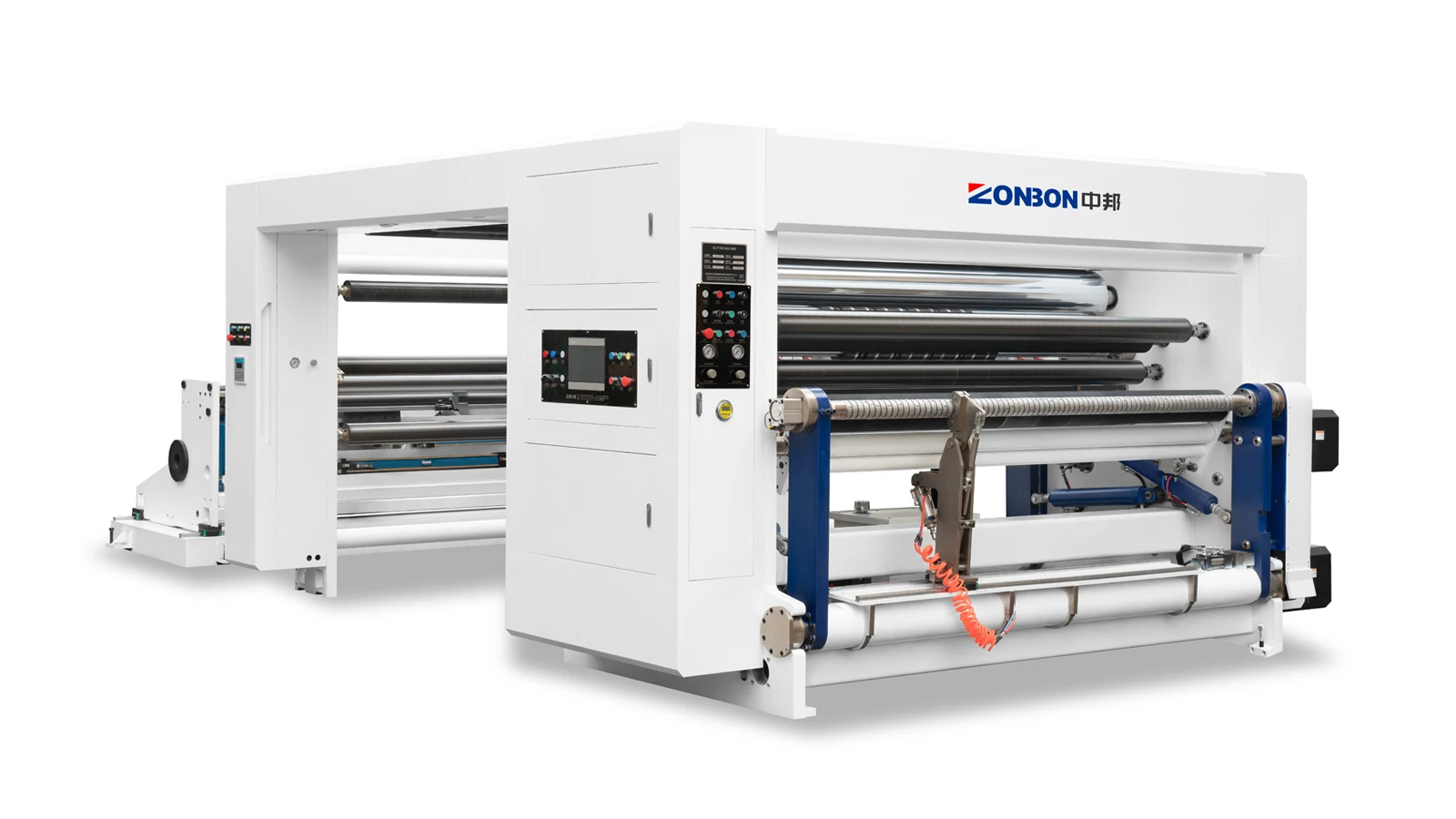
- Slitting & Rewinding
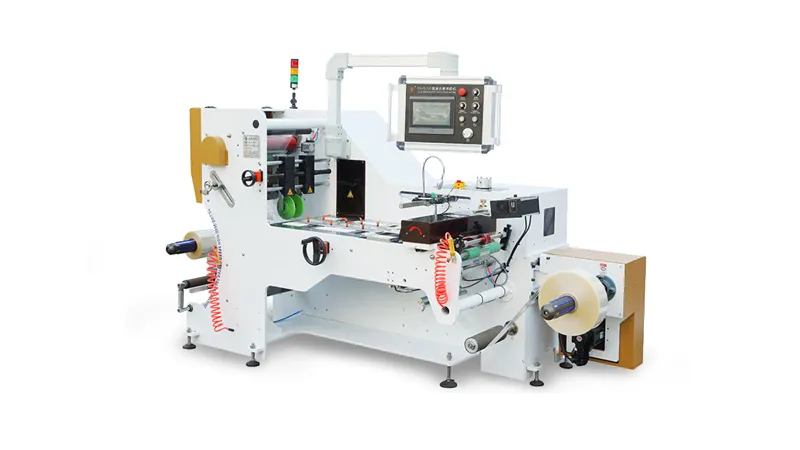
- Bag Making
- Quality Inspection
- Packing & Delivery
Each production stage influences the final package quality. Stable printing registration, accurate lamination, consistent slitting, and reliable sealing all contribute to high-quality food packaging.
Explore our food packaging production solutions: Food Packaging Bag Making Machines
Why Some Food Packaging Projects Fail Before Production Begins
Many equipment investments fail long before the machine is installed because the package itself was never fully analyzed.
Common problems include:
- Selecting machinery before confirming the bag structure.
- Ignoring future product expansion.
- Choosing machines incompatible with laminated materials.
- Underestimating sealing requirements for frozen or vacuum packaging.
- Focusing only on machine price instead of total production efficiency.
Successful food packaging manufacturers start with the finished package, evaluate the material structure, define production goals, and only then select the appropriate equipment.
Matching Different Food Packaging Bags to the Right Machine
One of the biggest challenges for buyers is understanding which bag making machine matches a specific food packaging product. Although many food packages appear similar on store shelves, their manufacturing requirements can vary significantly.
The table below provides a practical reference for matching common food packaging products with the appropriate bag structures and production equipment.
| Food Product | Recommended Bag Structure | Typical Material | Recommended Machine |
|---|---|---|---|
| Potato Chips | Center Seal Pillow Bag | BOPP / CPP | Center Seal Bag Making Machine |
| Frozen Vegetables | Three-Side Seal Bag | PET / PE | Three-Side Seal Bag Making Machine |
| Frozen Seafood | Three-Side Seal Bag | NY / PE | Three-Side Seal Bag Making Machine |
| Coffee Beans | Stand-Up Zipper Pouch | PET / VMPET / PE | Stand-Up Pouch Machine |
| Ground Coffee | Side Gusset Bag | PET / AL / PE | Side Gusset Bag Making Machine |
| Pet Food | Stand-Up Pouch | PET / PE | Stand-Up Pouch Machine |
| Nuts | Zipper Pouch | BOPP / CPP | Ziplock Bag Making Machine |
| Dried Fruit | Stand-Up Zipper Pouch | PET / PE | Stand-Up Pouch Machine |
| Seasoning Powder | Three-Side Seal Bag | PET / PE | Three-Side Seal Bag Making Machine |
| Liquid Sauce | Spouted Pouch | PET / NY / PE | Spouted Pouch Machine |
| Vacuum Meat | Vacuum Bag | NY / PE | Vacuum Bag Making Machine |
Different Food Categories Have Different Packaging Priorities
Selecting the correct bag making machine is not only about bag shape. Different food categories require different packaging performance, barrier properties, and sealing technologies.
| Food Category | Main Packaging Priority | Machine Consideration |
|---|---|---|
| Snack Foods | Appearance & shelf appeal | High-speed production with excellent sealing consistency |
| Frozen Foods | Low-temperature durability | Strong sealing and puncture resistance |
| Coffee | Oxygen and moisture barrier | Support for laminated barrier materials |
| Pet Food | Large bag strength | Stable stand-up pouch production |
| Sauces | Leak prevention | Accurate spout insertion and sealing |
| Vacuum Foods | Air-tight sealing | Precise sealing temperature control |
Understanding these product requirements helps buyers avoid selecting equipment that cannot support the intended packaging application.
Machine Flexibility Can Reduce Future Investment Risks
Many packaging manufacturers begin with one product category and gradually expand into new markets.
For example, a factory producing snack packaging today may later receive inquiries for frozen food bags, coffee pouches, or pet food packaging.
If the original machine is designed only for one bag structure, expanding production may require purchasing additional equipment.
Machines with modular configurations or optional functional upgrades can often provide greater long-term flexibility by supporting multiple bag formats within the same production platform.
Questions Every Buyer Should Answer Before Purchasing
Before requesting machine quotations, buyers should clearly define their production requirements.
- Which food products will be packaged?
- What bag structure will be produced?
- What laminated materials will be processed?
- Is zipper functionality required?
- Will stand-up pouches be added in the future?
- What is the expected daily production capacity?
- Are food safety regulations applicable in the target market?
Answering these questions before comparing machine specifications usually leads to more accurate equipment recommendations and lower investment risk.
Common Mistakes When Selecting Food Packaging Bag Making Machines
| Common Mistake | Possible Result |
|---|---|
| Selecting equipment based only on purchase price | Higher operating costs and lower production efficiency |
| Ignoring future product expansion | Additional machine investment within a few years |
| Choosing a machine before confirming bag structure | Incorrect equipment selection |
| Overlooking laminated material compatibility | Poor sealing quality and unstable production |
| Ignoring food safety requirements | Difficulty meeting customer quality standards |
Experienced buyers evaluate the complete production process rather than comparing machine prices alone.
From Packaging Requirements to Production Solutions
Successful food packaging projects begin with understanding the finished package rather than the machine itself.
By identifying the bag structure, material composition, filling method, sealing requirements, and expected production capacity, buyers can significantly reduce the risk of purchasing unsuitable equipment.
Explore our complete range of Bag Making Machines designed for flexible packaging applications.
For a comprehensive equipment evaluation framework, you may also read our Bag Making Machine Manufacturer: Complete Buyer Guide .
Conclusion
Food packaging bag production involves much more than converting plastic film into finished bags. Different food categories require different bag structures, material combinations, barrier properties, and manufacturing technologies.
Rather than selecting equipment based on machine models alone, successful manufacturers begin by analyzing the finished package, production objectives, and future business plans. This product-first approach reduces investment risks and provides greater flexibility as market demands evolve.
Whether producing snack packaging, frozen food bags, stand-up pouches, coffee packaging, or vacuum food bags, selecting equipment that matches both current production needs and future expansion goals is the foundation of a successful packaging operation.
Frequently Asked Questions
Can one bag making machine produce different types of food packaging bags?
Some modular machines can produce multiple bag formats by changing tooling or adding optional functions. However, complex structures such as stand-up pouches, zipper bags, and spouted pouches often require dedicated machine configurations.
Which food packaging bags are the most common?
Three-side seal bags, center seal bags, stand-up pouches, zipper pouches, vacuum bags, and spouted pouches are among the most widely used food packaging formats.
How does packaging material affect machine selection?
Different laminated structures require different sealing temperatures, web tension control, and cutting performance. Material compatibility is an important factor when selecting equipment.
Why do food packaging manufacturers prefer flexible production lines?
Flexible production lines allow manufacturers to respond to changing customer requirements, produce multiple bag types, and reduce future equipment investment as product portfolios expand.