





Slitting Machine Price: What Affects the Cost?
Why Slitting Machine Prices Vary So Much
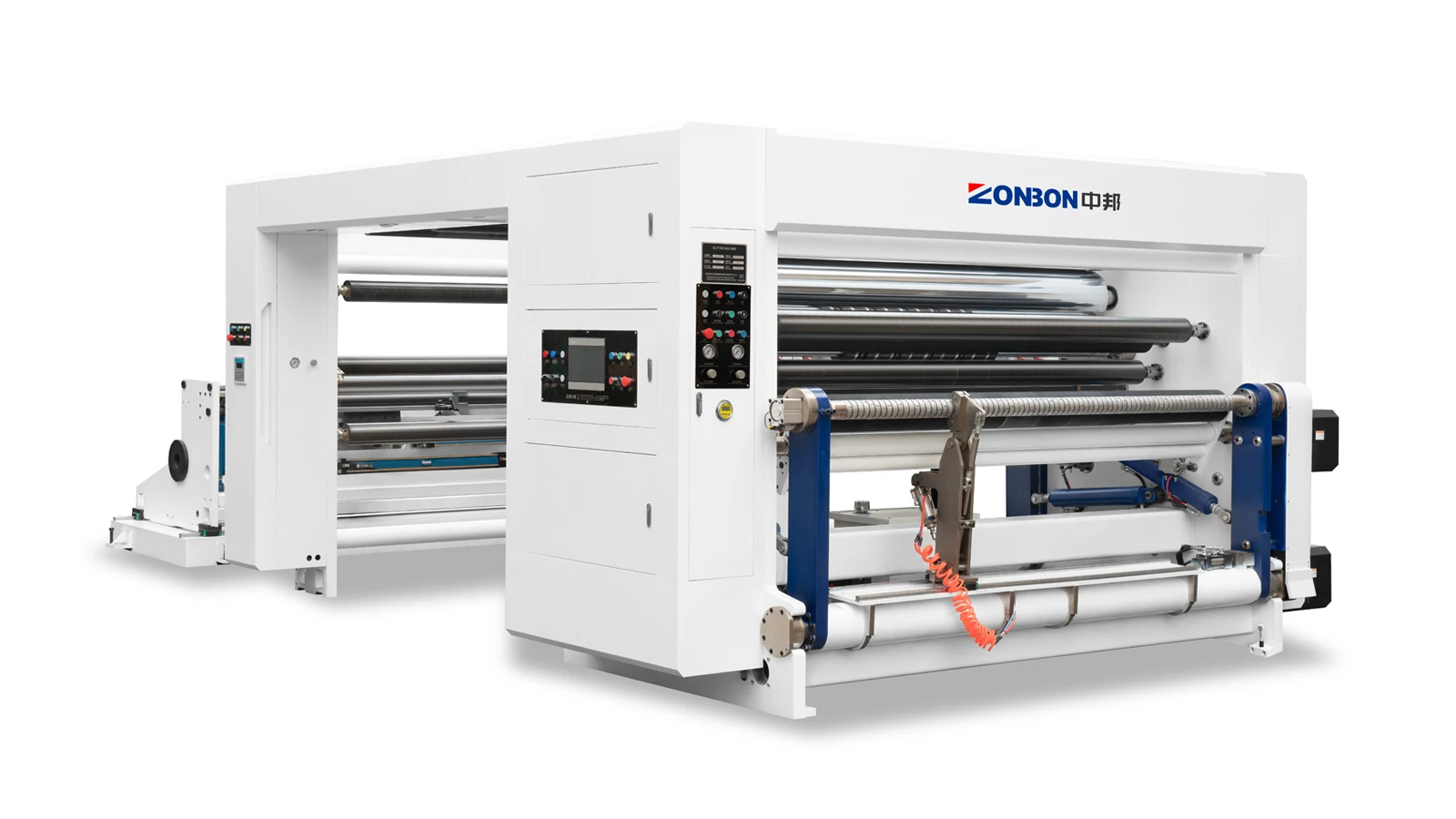
Slitting machine prices can vary significantly depending on machine type, production speed, material compatibility, automation level, and technical configuration. Some entry-level machines may cost only a few thousand dollars, while high-speed automatic slitting systems can cost more than six figures.
For many buyers, especially converters and packaging manufacturers, understanding what affects slitting machine cost is important before making an investment decision. Choosing equipment based only on the lowest price may lead to higher long-term operating costs, unstable production, and more downtime.
This guide explains the key factors affecting slitting machine price and how buyers can compare equipment more effectively.
How Much Does a Slitting Machine Cost?
Slitting machine pricing depends on machine specifications, material type, production requirements, and automation level. The price range can vary widely depending on the intended application.
| Machine Level | Typical Application | Estimated Price Range |
|---|---|---|
| Entry-Level Slitting Machine | Small production, simple roll materials | $8,000 – $20,000 |
| Mid-Range Industrial Slitter | Packaging, film, paper converting | $20,000 – $60,000 |
| High-Speed Automatic Slitter | Large-scale flexible packaging production | $60,000 – $150,000+ |
Actual pricing depends on machine configuration and whether the system is customized for specific production needs.

What Affects Slitting Machine Price?
Several technical and production factors affect equipment cost. Understanding these factors helps buyers avoid paying for unnecessary functions while still choosing equipment suitable for long-term production.
Machine Width
Wider machines usually cost more because they require stronger machine frames, larger rollers, more powerful motors, and higher material handling capacity.
A slitting machine processing narrow label materials will generally cost less than a machine designed for wide flexible packaging film rolls.
Production Speed
Higher production speed usually increases machine cost. High-speed systems require better tension stability, more accurate web guiding, stronger mechanical structures, and more advanced control systems.
However, faster is not always better. Buyers should choose speed based on actual production volume rather than maximum speed specifications alone.
Material Type
The type of material being processed strongly affects machine pricing.
- Film materials: Usually require more stable tension control.
- Paper materials: May require dust reduction and stable edge cutting.
- Foil materials: Often need higher slitting precision.
- Adhesive materials: Require anti-stick handling systems.
For flexible packaging film applications, specialized film slitting machines often require additional tension stability and rewinding features.
Tension Control System
Tension control is one of the biggest factors affecting slitting performance and price.
Machines with manual tension adjustment generally cost less, while machines with automatic tension control, servo systems, or closed-loop feedback systems cost more but often improve roll quality and reduce waste.
Stable tension becomes especially important for thin films, laminated structures, and stretch-sensitive materials such as PE film.
Knife System
Different slitting methods require different mechanical configurations.
| Knife Type | Common Application | Cost Impact |
|---|---|---|
| Razor Slitting | Thin films and lightweight materials | Lower cost |
| Shear Slitting | PET, laminated films, thicker materials | Higher precision and cost |
| Score Slitting | Selected paper and specialty materials | Moderate cost |
More advanced knife systems usually improve edge quality and cutting precision, but they also increase equipment cost.
Automation Level
Automation can significantly affect machine pricing.
Advanced slitting machines may include:
- Automatic tension control
- EPC web guiding systems
- Automatic meter counting
- Automatic knife positioning
- Touchscreen control systems
- Defect inspection systems
While automation increases initial investment, it may reduce labor costs and improve production consistency over time.
Rewinding Structure
Duplex rewinding, center surface rewinding, and differential shaft systems affect both machine performance and cost.
Better rewinding systems usually improve roll hardness consistency and finished roll quality, especially for flexible packaging applications.
Customization Requirements
Customized specifications may increase price depending on machine complexity.
Common customizations include:
- Special slit width ranges
- Larger unwind diameters
- Different rewinding methods
- Inspection systems
- Material-specific configurations
Cheap vs Premium Slitting Machines
Lower-cost machines may reduce initial investment, but long-term performance differences can significantly affect profitability.
| Comparison Factor | Lower-Cost Machine | Premium Machine |
|---|---|---|
| Production Stability | Basic | More stable |
| Tension Control | Manual or simple | Advanced automatic systems |
| Rewinding Quality | May vary | More consistent |
| Waste Reduction | Lower efficiency | Better material savings |
| Production Speed | Moderate | Higher throughput |
In many factories, paying slightly more for stable performance often reduces material waste and downtime over the long term.
Hidden Costs Buyers Often Ignore
Some buyers focus only on machine purchase price and overlook operating costs that affect long-term ROI.
Hidden costs may include:
- Material waste caused by unstable slitting
- Frequent blade replacement
- Production downtime
- Operator training costs
- Maintenance expenses
- Poor roll quality affecting downstream production
A cheaper machine with unstable production may actually become more expensive over time.
How to Avoid Overpaying for a Slitting Machine
Buyers should compare machine value rather than focusing only on specifications or price.
Before purchasing, ask:
- Does the machine match my actual material type?
- Do I really need maximum production speed?
- Which automation features are necessary?
- Can the machine support future production growth?
- What after-sales support is available?
If you are still comparing suppliers, this slitting machine manufacturer guide may help evaluate manufacturer capability, technical support, and long-term production value.
Why Manufacturer Support Affects Long-Term Cost
Machine cost is not only about purchase price. Long-term support also affects total ownership cost.
Reliable manufacturers often provide operator training, spare parts support, troubleshooting, and production optimization assistance that help reduce downtime and improve equipment lifespan.
Buyers evaluating slitting machines should consider both machine performance and long-term support capability.
Why ZONBON Machinery
ZONBON Machinery provides converting equipment solutions for flexible packaging, film, paper, foil, adhesive materials, and industrial roll materials.
Depending on customer production requirements, machine configurations can be customized for different widths, materials, slitting accuracy, rewinding methods, and automation levels.
This helps buyers select equipment that balances both current investment budget and long-term production goals.
FAQ: Slitting Machine Price
How much does a slitting machine cost?
Slitting machine prices typically range from around $8,000 to over $150,000 depending on machine size, speed, automation, and material requirements.
Why are some slitting machines more expensive?
Higher prices are usually related to wider machine width, faster speed, better tension control, automation systems, and improved rewinding quality.
Does higher speed always mean better value?
Not always. Buyers should select speed based on actual production needs. Stable slitting performance is often more valuable than maximum speed.
What is the biggest factor affecting slitting machine price?
Material type, machine width, production speed, automation level, and tension control system are usually the biggest pricing factors.
How can buyers avoid overpaying?
Buyers should compare long-term production value, machine stability, material compatibility, and manufacturer support instead of focusing only on initial purchase price.