





Paper Slitting Machine Guide for Roll Converting
Why Paper Slitting Matters in Roll Converting
Paper slitting is an important process in roll converting industries. Large jumbo paper rolls must be converted into narrower finished rolls with accurate widths, clean edges, and stable rewinding quality for downstream printing, packaging, coating, laminating, labeling, or converting applications.
Whether processing kraft paper, thermal paper, coated paper, release paper, or packaging paper, poor slitting quality may create dust, uneven edges, unstable rewinding, or roll deformation that affects production efficiency and finished product quality.
Choosing the right paper slitting machine is important because different paper materials behave differently during cutting and rewinding. Paper thickness, surface coating, stiffness, and roll diameter all affect machine configuration requirements.
This guide explains how to choose a paper slitting machine for roll converting and what buyers should consider before investing in equipment.

Common Paper Materials Used in Slitting
Different paper materials require different slitting performance and handling stability. Before selecting equipment, buyers should confirm what type of paper rolls they process.
Kraft Paper
Kraft paper is widely used for paper bags, industrial packaging, food packaging, and wrapping applications. Depending on thickness and roll size, kraft paper slitting may require stronger rewind systems and stable edge cutting.
Buyers processing kraft paper often focus on:
- Clean slit edges
- Stable rewinding
- Dust reduction
- Consistent roll hardness
Thermal Paper
Thermal paper is commonly used for receipts, POS rolls, barcode labels, logistics labels, and ticket printing. Since thermal paper quality directly affects print readability, clean cutting and stable rewinding become especially important.
For thermal paper converting, roll consistency and edge quality are often high priorities.
Coated Paper
Coated paper is widely used in packaging, premium labels, commercial printing, and decorative materials. Because coated surfaces may be sensitive to scratches or dust, stable slitting conditions help improve final roll appearance and quality.
Release Paper
Release paper is commonly used in label production, adhesive tape applications, and protective film converting. Accurate slitting width and stable rewinding are important for downstream die cutting and lamination processes.
Packaging Paper
Packaging paper includes a wide range of materials used for wrapping, carton production, food packaging, and industrial packaging. Depending on thickness and stiffness, different knife systems and rewinding structures may be needed.
What Is a Paper Slitting Machine?
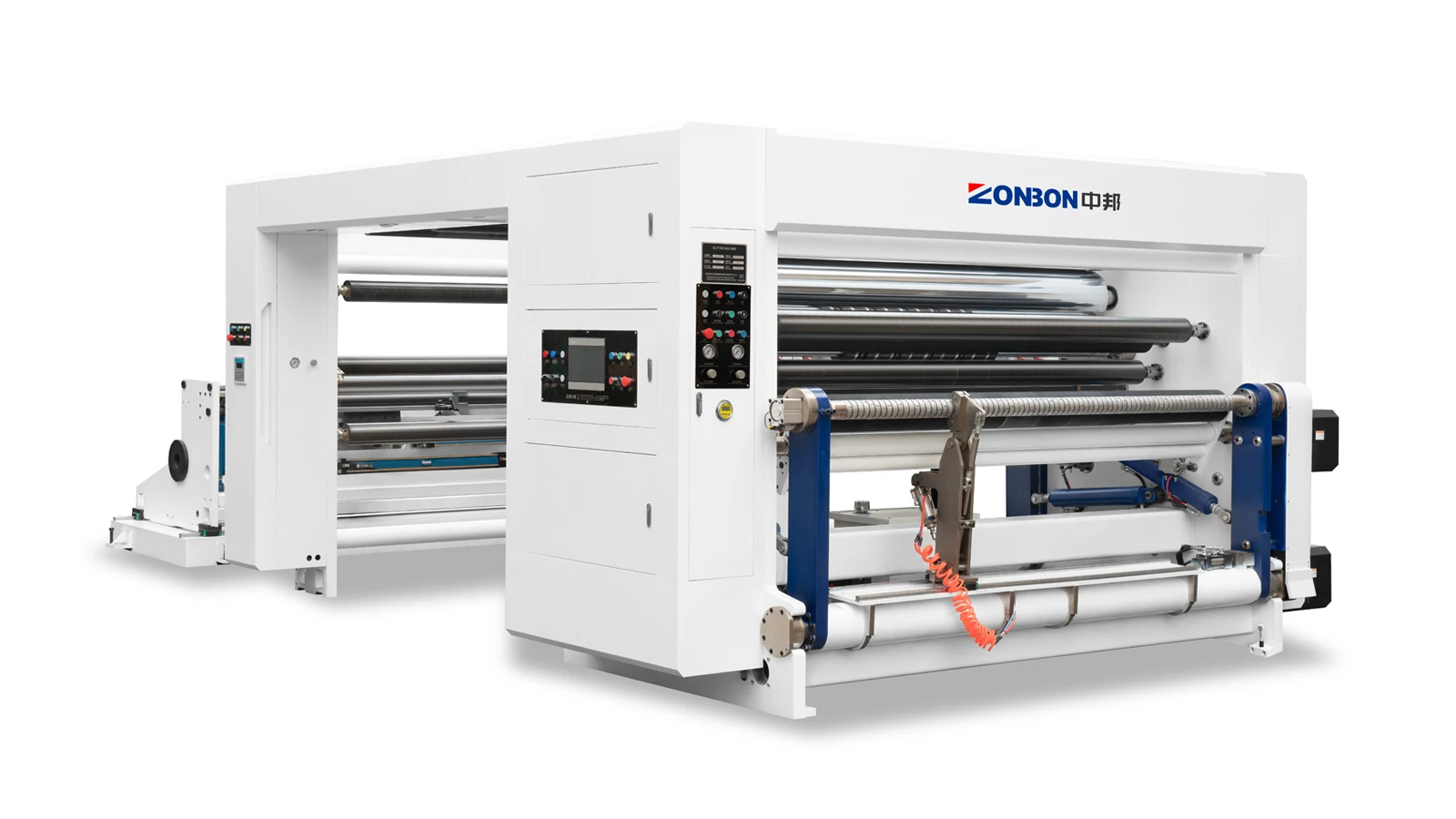
A paper slitting machine is converting equipment designed to slit wide paper rolls into narrower finished rolls with controlled tension and stable rewinding.
The slitting process usually includes:
- Unwinding: Feeding jumbo paper rolls into the machine.
- Web Guiding: Maintaining alignment during processing.
- Slitting: Cutting paper into specified widths.
- Rewinding: Producing finished rolls with stable hardness.
Modern paper slitting machines are commonly used for paper converting, packaging, label materials, thermal paper rolls, and industrial paper processing.
Key Challenges in Paper Roll Slitting
Paper slitting may seem simple, but many production problems are caused by unsuitable machine configuration or unstable operating conditions.
Paper Dust
Dust generation is one of the most common challenges in paper slitting. Excessive dust can affect production cleanliness, downstream printing quality, and machine maintenance.
Choosing suitable knife systems and maintaining sharp blades can help reduce dust generation.
Edge Quality
Poor slit edges may affect printing alignment, packaging appearance, or converting precision. Clean slit edges become especially important for coated paper, release paper, and thermal paper applications.
Roll Consistency
Uneven roll hardness may create handling problems in downstream converting processes. Stable rewinding helps maintain consistent finished roll quality.
Rewinding Stability
Loose or unstable rewinding can create telescoping rolls, wrinkles, or poor roll structure that negatively affects later processing.
How to Choose a Paper Slitting Machine
Roll Width and Diameter
Buyers should confirm jumbo roll width, finished roll width, unwind diameter, and rewind diameter requirements before selecting equipment.
Machines designed for narrow thermal paper rolls may require different configurations than machines processing wide kraft paper rolls.
Slitting Accuracy
Accurate slit width control helps improve production consistency and downstream processing quality. High slit accuracy becomes especially important for label stock, thermal paper, and release paper.
Knife System
Different paper materials may require different cutting methods.
- Crush Slitting: Common for selected paper products and simpler converting applications.
- Shear Slitting: Better for cleaner edges and higher cutting precision.
- Razor Slitting: Suitable for selected thinner paper materials.
Understanding cutting methods helps buyers choose the right machine configuration. This comparison of razor slitting vs shear slitting vs crush slitting explains the differences in more detail.
Tension Control
Stable web tension helps prevent wrinkles, uneven rewinding, and roll deformation.
Depending on paper thickness and converting requirements, automatic tension control may improve roll consistency and reduce waste.
Rewinding Method
Rewind quality affects downstream handling and finished roll consistency. Better rewind systems help maintain stable roll hardness and smoother converting performance.
Production Speed
Higher production speed may improve efficiency, but stable slitting quality is usually more important than maximum speed specifications.
Buyers should choose machine speed based on actual production requirements instead of simply selecting the highest available speed.
Razor vs Shear vs Crush Slitting for Paper
Different paper materials respond differently to slitting methods.
| Slitting Method | Suitable Paper Types | Main Advantage |
|---|---|---|
| Crush Slitting | General paper rolls | Simple and cost-effective |
| Shear Slitting | Coated paper, thermal paper | Cleaner edges and higher precision |
| Razor Slitting | Selected thinner paper materials | Simple setup and fast cutting |
For coated paper and thermal paper converting, cleaner slit edges often become more important because roll quality directly affects later printing performance.
Common Paper Slitting Problems
Understanding common slitting problems helps buyers evaluate equipment more effectively.
- Paper dust: Often caused by unsuitable knife settings or worn blades.
- Uneven slit edges: May reduce downstream converting accuracy.
- Loose rewinding: Can create unstable roll handling.
- Telescoping rolls: Often related to unstable rewind tension.
- Wrinkles: Usually caused by poor web tension control.
Why Paper Slitting Machine Quality Matters
A stable paper slitting machine helps reduce waste, improve finished roll consistency, and maintain better downstream converting quality.
Lower-cost equipment may reduce initial investment, but unstable slitting performance can increase material waste and reduce production efficiency over time.
Buyers comparing suppliers may also benefit from this slitting machine manufacturer guide to evaluate technical support, machine capability, and long-term production value.
FAQ: Paper Slitting Machine
What is a paper slitting machine used for?
A paper slitting machine is used to convert wide paper rolls into narrower rolls for packaging, labels, thermal paper, release paper, and industrial converting applications.
Which slitting method is best for paper?
It depends on the paper type. Crush slitting is commonly used for general paper converting, while shear slitting is often preferred for cleaner edges and better precision.
Why does paper slitting create dust?
Dust is often caused by blade wear, incorrect knife settings, or unsuitable slitting methods.
Why is rewinding quality important?
Stable rewinding helps maintain roll consistency, prevent telescoping, and improve downstream converting performance.
How do I choose the right paper slitting machine?
Buyers should evaluate material type, roll width, slitting accuracy, knife system, rewinding method, and production speed requirements.