





What Is a Slitting Machine and How Does It Work?
What Is a Slitting Machine?
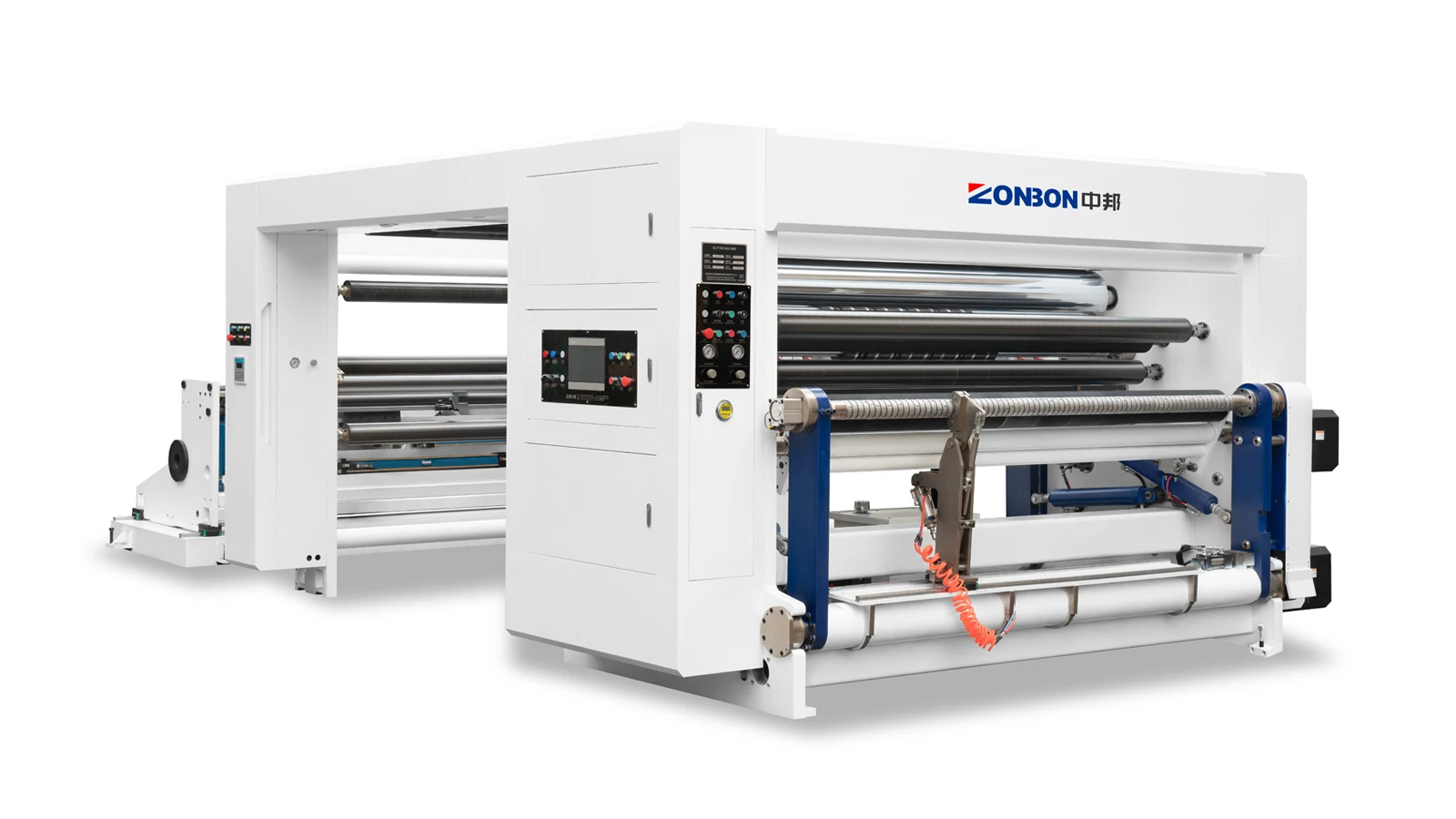
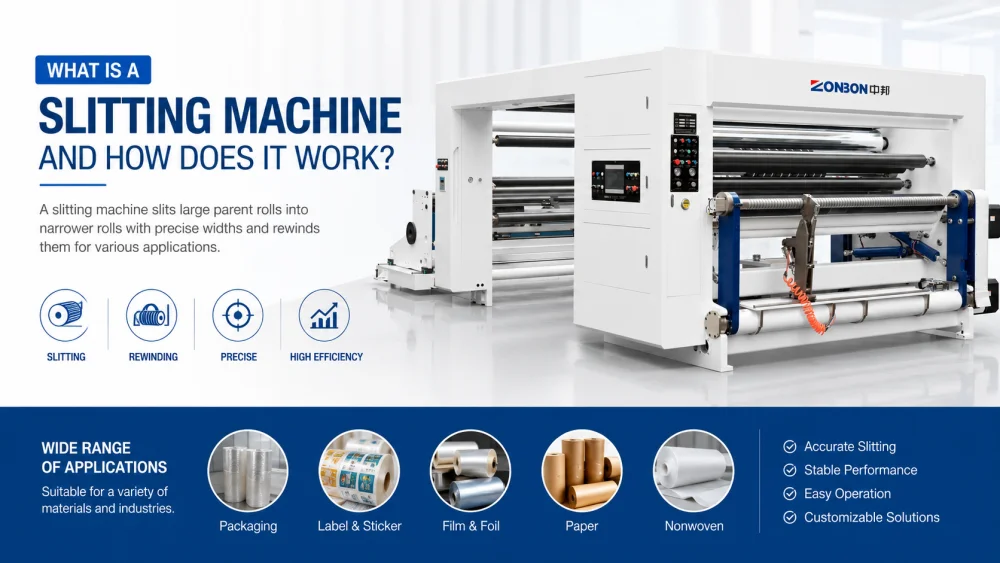
A slitting machine, often called a slitter rewinder, is a converting machine used to cut large master rolls of material into narrower rolls with precise widths. The process is widely used in industries such as flexible packaging, paper converting, aluminum foil processing, self-adhesive labels, adhesive tapes, and industrial roll materials.
Instead of producing new materials, a slitting machine converts existing jumbo rolls into finished rolls that are ready for printing, laminating, die-cutting, packaging, or end-user applications.
Because many manufacturing processes require specific roll widths, slitting is an essential step in modern converting operations.
How Does a Slitting Machine Work?
Although machine designs vary depending on the material and application, most slitter rewinders follow the same basic workflow.
Step 1: Unwinding the Master Roll
A large jumbo roll is loaded onto the unwind station. The machine feeds material through the slitting section while maintaining stable web tension.
Step 2: Web Guiding and Alignment
An EPC or web guiding system keeps the material aligned throughout production. Proper alignment helps maintain slit width accuracy and reduces material waste.
Step 3: Slitting the Material
The material passes through the slitting section where knives cut the web into multiple narrower rolls according to the required widths.
Step 4: Rewinding Finished Rolls
After slitting, each strip is rewound into a finished roll with controlled tension and consistent roll hardness.
Step 5: Roll Unloading
Finished rolls are removed and prepared for the next manufacturing process or shipment.
Main Components of a Slitting Machine
Modern slitter rewinders consist of several key systems working together to maintain stable production.
- Unwind Stand – Supports and feeds the jumbo roll.
- Web Guiding System – Maintains web alignment.
- Slitting Unit – Performs the cutting operation.
- Tension Control System – Maintains stable web tension.
- Rewinding System – Produces finished rolls.
- Control System – Allows operators to manage machine settings and production parameters.
Common Slitting Methods
Different materials require different cutting technologies.
Razor Slitting
Razor slitting uses sharp blades and is commonly used for thin films and lightweight materials.
Shear Slitting
Shear slitting uses rotating upper and lower knives and is often preferred for high-precision applications such as PET films, labels, and aluminum foil laminates.
Crush Slitting
Crush slitting uses pressure between a knife and an anvil roller and is commonly used for paper products, tapes, and selected industrial materials.
For a detailed comparison, see Razor Slitting vs Shear Slitting vs Crush Slitting.
What Materials Can Be Processed?
Modern slitting machines can process a wide range of materials.
- BOPP Film
- PET Film
- PE Film
- CPP Film
- Kraft Paper
- Thermal Paper
- Release Paper
- Aluminum Foil
- Foil Laminates
- Self-Adhesive Labels
- Adhesive Tape Materials
- Nonwoven Materials
The machine configuration must match the material characteristics and production requirements.
Common Applications of Slitting Machines
Slitting technology is used in many industries worldwide.
| Industry | Typical Products |
|---|---|
| Flexible Packaging | Pouches, laminated films, packaging rolls |
| Paper Converting | Receipt rolls, kraft paper, packaging paper |
| Label Manufacturing | Self-adhesive labels, barcode labels |
| Foil Converting | Food packaging foil, pharmaceutical foil |
| Tape Production | BOPP tape, industrial tape, specialty tape |
Why Tension Control Is So Important
Tension control plays a major role in slitting quality. Unstable tension can cause wrinkles, telescoping rolls, material stretching, and uneven rewinding.
For thin films and foil materials, proper tension management is often one of the most important factors affecting finished roll quality.
Learn more in our guide to Web Tension Control in Slitter Rewinder Machines.
What Problems Can Occur During Slitting?
Common slitting defects include:
- Wrinkles
- Burr edges
- Telescoping rolls
- Uneven rewinding
- Material stretching
- Dust generation
- Width variation
Most defects can be reduced through proper machine configuration, correct slitting methods, and stable tension control.
How to Choose the Right Slitting Machine
The best slitting machine depends on:
- Material type
- Material thickness
- Roll width
- Required slit widths
- Production speed
- Automation level
- Future production growth
Rather than focusing only on machine price, buyers should evaluate total production performance, material compatibility, rewinding quality, and long-term support.
For a more detailed selection guide, see How to Choose the Right Slitting Machine for Your Material.
The Role of Slitting Machines in Modern Converting
Slitting machines are a critical part of modern roll converting operations. They allow manufacturers to efficiently convert large master rolls into finished products that meet customer specifications.
As packaging, label, paper, foil, and industrial material industries continue to grow, slitting technology remains essential for improving production efficiency, reducing waste, and maintaining consistent product quality.
Buyers exploring available equipment can review different slitting machines to understand which configurations best match their production requirements.
FAQ: What Is a Slitting Machine?
What is the purpose of a slitting machine?
A slitting machine converts large master rolls into narrower rolls with specific widths for downstream manufacturing processes.
What materials can a slitter rewinder process?
Depending on the configuration, a slitter rewinder can process films, paper, foil, labels, tapes, laminates, and specialty materials.
What is the difference between slitting and rewinding?
Slitting refers to cutting the material into narrower widths, while rewinding refers to winding the slit material into finished rolls.
Which slitting method is best?
The best method depends on the material. Razor, shear, and crush slitting each offer advantages for specific applications.
Why is tension control important in slitting?
Stable tension helps prevent wrinkles, telescoping rolls, stretching, and other quality defects during production.