





Aluminum Foil Slitting Machine for Packaging Materials
Why Aluminum Foil Slitting Matters in Packaging Materials
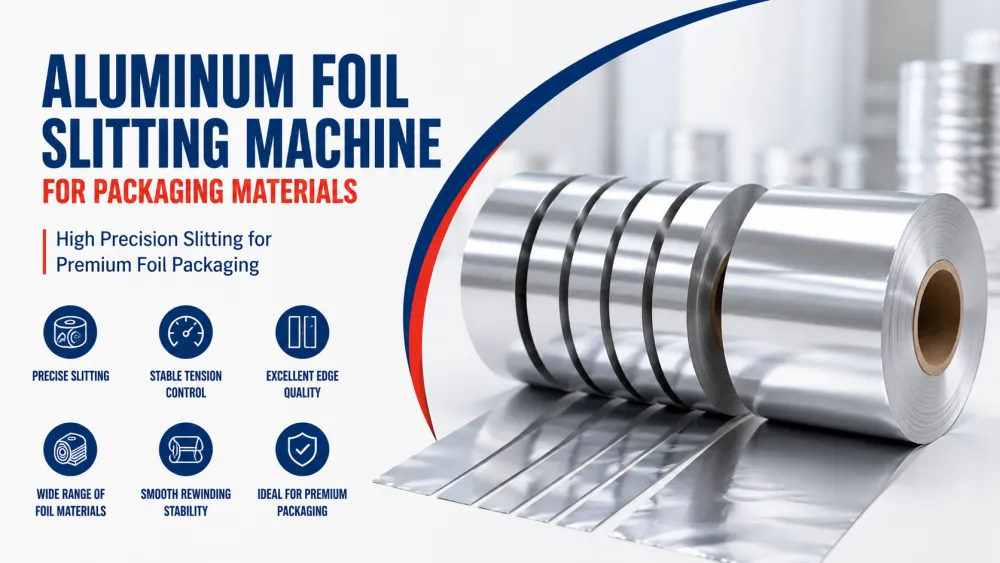
Aluminum foil is widely used in packaging materials because of its excellent barrier properties, heat resistance, moisture protection, and oxygen resistance. It is commonly used in food packaging, pharmaceutical packaging, coffee packaging, retort pouches, and high-barrier flexible packaging structures.
After laminating or foil production, jumbo rolls must be slit into smaller rolls with accurate widths, stable rewinding, and clean edges for downstream pouch making, printing, laminating, or sealing processes.
Compared with many plastic films, aluminum foil is more delicate and wrinkle-sensitive. Poor slitting performance may cause wrinkles, burr edges, foil cracking, unstable rewinding, or material waste.
This guide explains how to choose an aluminum foil slitting machine for packaging materials and what buyers should consider before investing in equipment.
Common Aluminum Foil Packaging Materials
Different aluminum foil structures have different converting requirements. Buyers should first understand what type of foil materials they process.
Pure Aluminum Foil
Pure aluminum foil is commonly used in food packaging, pharmaceutical blister packaging, industrial insulation, and household foil applications.
Because pure foil materials are thin and easily damaged, stable web tension and precise slitting become especially important.
Laminated Foil Structures
Laminated foil structures combine aluminum foil with PET, PE, CPP, nylon, or paper materials to improve barrier performance and package strength.
These materials are widely used for coffee bags, snack packaging, frozen food packaging, stand-up pouches, and retort pouches.
Since laminated structures contain multiple material layers, slitting stability and edge quality become more critical.
Foil for Food Packaging
Food packaging foil materials often require smooth rewinding and clean slit edges because poor roll quality may affect sealing performance and packaging consistency.
Pharmaceutical Foil Materials
Pharmaceutical foil materials usually require higher slitting precision because inaccurate widths or edge defects may affect downstream blister packaging performance.
What Is an Aluminum Foil Slitting Machine?
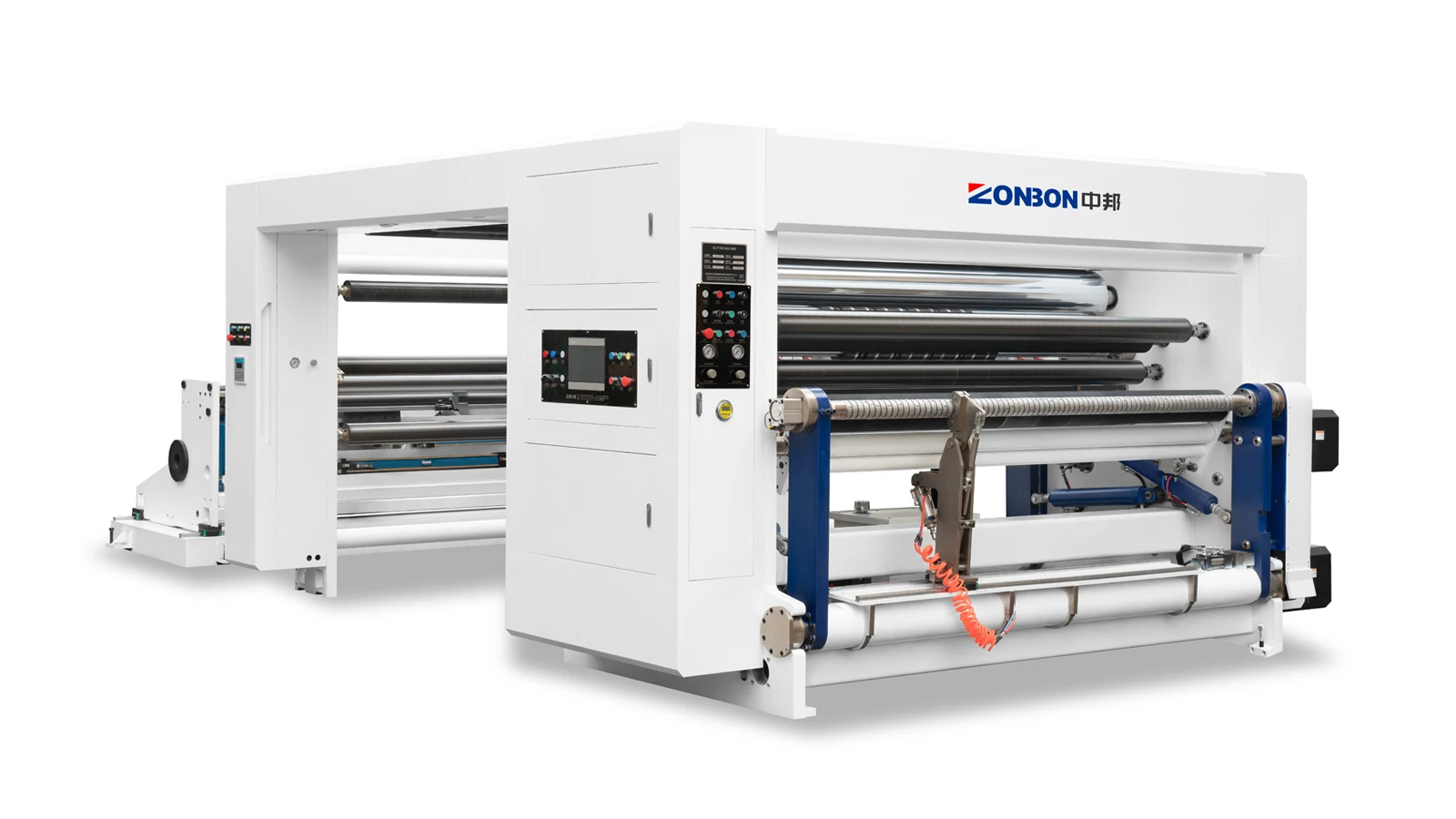
An aluminum foil slitting machine is converting equipment designed to slit foil rolls into narrower finished rolls while maintaining stable web tension and rewinding quality.
The slitting process typically includes:
- Unwinding: Feeding jumbo foil rolls into the machine.
- Web Guiding: Maintaining stable material alignment.
- Slitting: Cutting foil into specified widths.
- Rewinding: Producing finished rolls with stable hardness and edge alignment.
Modern foil slitting machines are commonly used for aluminum foil packaging, laminated foil materials, pharmaceutical foil, and industrial foil converting.
Key Challenges in Aluminum Foil Slitting
Compared with plastic films, aluminum foil presents unique converting challenges. Machine stability and proper configuration become especially important.
Wrinkles
Aluminum foil wrinkles easily because it has limited elasticity and tends to retain deformation marks.
Poor tension control, unstable rewinding, or uneven web guiding may quickly create wrinkles that affect finished roll quality.
Burr Edges
Burr edges may occur when knife systems are not properly configured or when blades become worn.
For packaging materials, poor slit edge quality may affect downstream sealing consistency and package appearance.
Tension Stability
Stable web tension is one of the most important factors in foil slitting.
Excessive tension may stretch or deform laminated foil materials, while insufficient tension may create loose rewinding and unstable roll formation.
Understanding web tension control in slitter rewinder machines helps buyers better evaluate machine performance and slitting stability.
Rewinding Consistency
Poor rewinding quality may create telescoping rolls, uneven hardness, or unstable downstream processing performance.
Consistent rewinding helps maintain stable pouch-making, laminating, and packaging quality.
How to Choose an Aluminum Foil Slitting Machine
Slitting Accuracy
Aluminum foil converting often requires higher slit width accuracy, especially for pharmaceutical packaging and premium packaging materials.
Buyers should confirm slit width tolerance requirements before selecting equipment.
Tension Control System
Because aluminum foil wrinkles easily, stable automatic tension control is strongly recommended for consistent production quality.
Stable tension helps reduce wrinkles, edge defects, and rewinding inconsistency.
Knife System
Knife selection strongly affects foil slitting quality.
In many foil applications, shear slitting is commonly preferred because it helps create cleaner edges and reduces burr formation.
This comparison of razor slitting vs shear slitting vs crush slitting explains how different cutting methods affect slitting quality.
Rewind Stability
Good rewinding systems help maintain stable roll hardness and reduce telescoping or edge shifting.
This becomes especially important for laminated foil packaging structures.
Machine Speed
Higher speed may improve production efficiency, but stable slitting quality is usually more important than maximum speed specifications.
Buyers should balance speed with rewinding quality, tension stability, and material handling capability.
Razor vs Shear Slitting for Aluminum Foil
Different cutting systems may be suitable depending on foil structure and edge quality requirements.
| Slitting Method | Suitability for Aluminum Foil | Main Benefit |
|---|---|---|
| Razor Slitting | Limited applications | Simple setup |
| Shear Slitting | Highly recommended | Cleaner edges and better precision |
| Crush Slitting | Less common | Selected industrial applications |
For most aluminum foil packaging materials, shear slitting is preferred because cleaner slit edges help improve packaging quality and downstream consistency.
Common Aluminum Foil Slitting Problems
Understanding common foil slitting defects helps buyers identify what machine features matter most.
- Wrinkles: Usually caused by unstable tension or improper rewinding.
- Burr edges: Often related to blade condition or knife configuration.
- Loose rewinding: Can affect roll consistency and downstream production.
- Telescoping rolls: Often caused by unstable winding tension.
- Foil cracking: May occur if tension becomes excessive.
Why Foil Slitting Machine Quality Matters
Stable foil slitting performance helps improve packaging quality, reduce material waste, and maintain consistent downstream processing.
Lower-cost equipment may reduce initial investment, but unstable slitting often increases downtime, waste, and production inconsistency.
Buyers comparing suppliers may also benefit from this slitting machine manufacturer guide to evaluate technical capability, support, and long-term production value.
FAQ: Aluminum Foil Slitting Machine
What is an aluminum foil slitting machine used for?
It is used to convert jumbo aluminum foil rolls into narrower finished rolls for packaging, pharmaceutical materials, food packaging, and laminated foil applications.
Which slitting method is best for aluminum foil?
Shear slitting is commonly preferred because it usually provides cleaner slit edges and better cutting precision for foil materials.
Why does aluminum foil wrinkle during slitting?
Wrinkles are often caused by unstable tension, poor rewinding, or improper web handling during production.
Why is tension control important for foil slitting?
Stable tension helps prevent wrinkles, foil deformation, loose rewinding, and roll inconsistency.
How do I choose the right foil slitting machine?
Buyers should evaluate foil structure, slit width accuracy, knife system, tension control, rewinding quality, and production speed requirements.