





BOPP Tape Slitting and Rewinding Production Line
Why BOPP Tape Slitting Matters
BOPP tape slitting is an important converting process in adhesive tape manufacturing. After coating adhesive onto jumbo BOPP film rolls, manufacturers must slit and rewind the material into finished tape rolls with accurate widths, stable tension, and consistent rewinding quality.
Whether producing carton sealing tape, stationery tape, industrial tape, or customized packaging tape, poor slitting quality may lead to uneven edges, unstable roll hardness, adhesive contamination, telescoping rolls, and reduced sealing performance.
Choosing the right slitting and rewinding production line helps improve roll consistency, reduce waste, and maintain stable production efficiency.
This guide explains how a BOPP tape slitting and rewinding production line works and what buyers should consider before investing in equipment.
What Is a BOPP Tape Slitting and Rewinding Production Line?
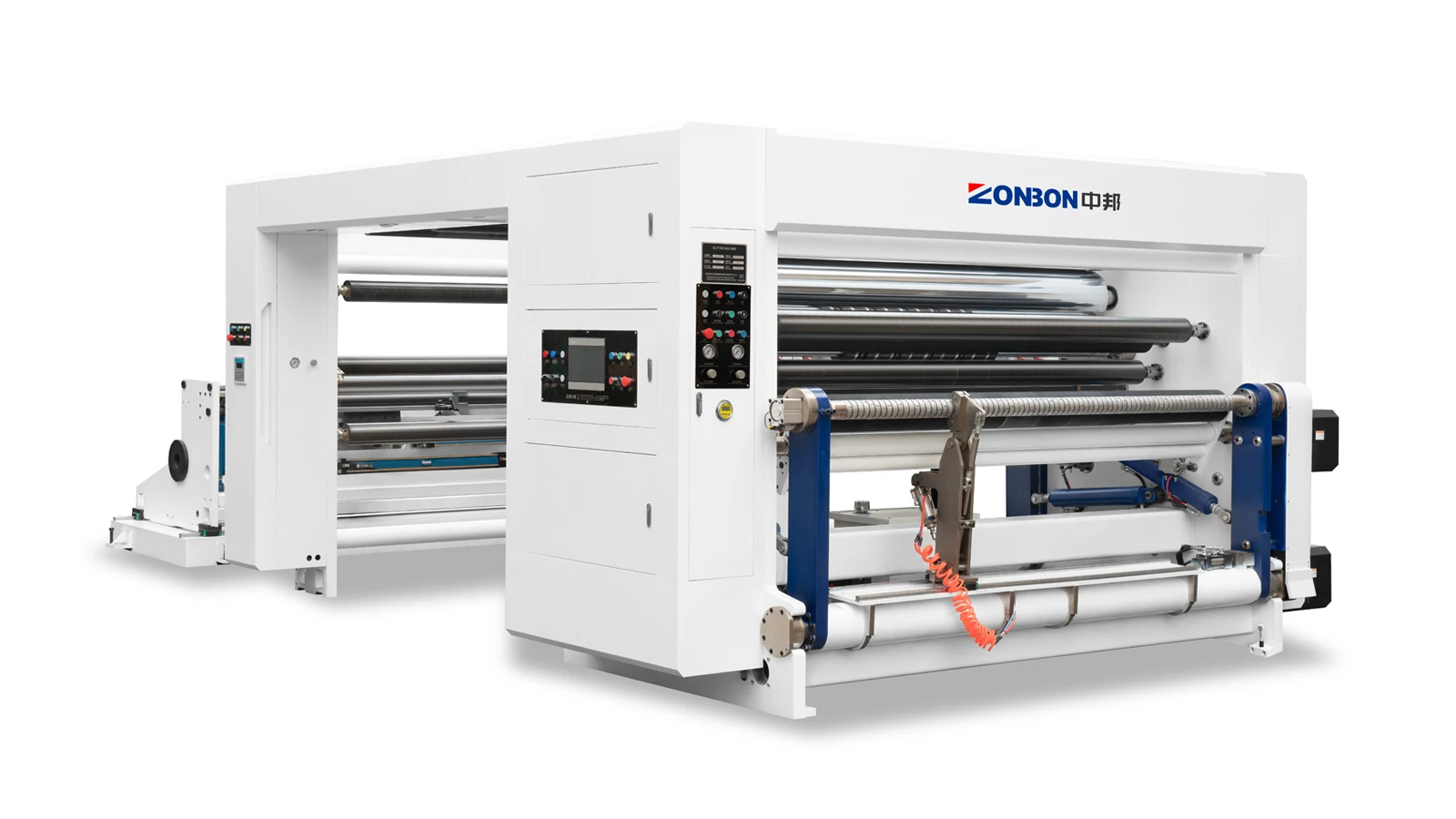
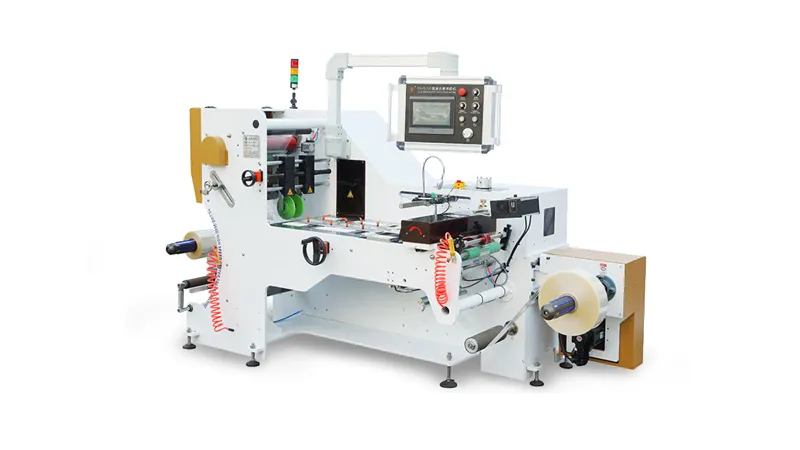
A BOPP tape slitting and rewinding production line is converting equipment used to slit large adhesive-coated BOPP jumbo rolls into smaller finished tape rolls for packaging, logistics, office, and industrial applications.
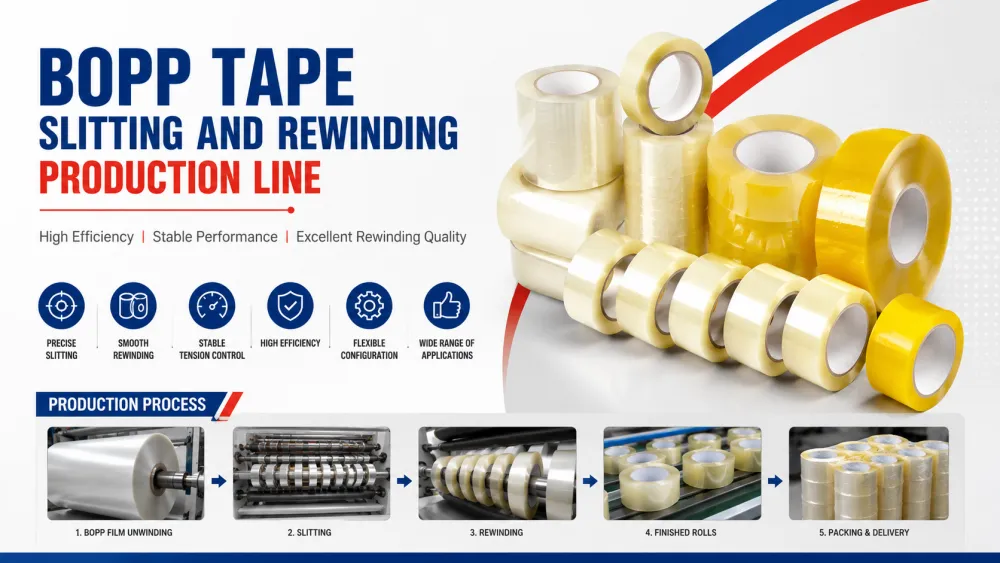
The production process typically includes:
- Jumbo Roll Unwinding: Feeding coated BOPP tape rolls into the machine.
- Slitting: Cutting wide rolls into narrower tape widths.
- Rewinding: Rewinding finished rolls with stable roll hardness.
- Core Loading: Rewinding tape onto paper or plastic cores.
- Finished Roll Collection: Preparing finished tape rolls for packaging.
Modern adhesive tape slitting machines are commonly used for BOPP packing tape, stationery tape, masking tape, electrical tape, double-sided tape, and industrial adhesive products.
Main Materials Used in BOPP Tape Production
Different tape structures require different slitting configurations. Buyers should understand material properties before selecting equipment.
BOPP Film
BOPP film serves as the base material for most packaging tapes. It offers good strength, transparency, and printability, making it widely used for carton sealing and packaging applications.
Stable slitting helps maintain edge consistency and smooth roll formation.
Acrylic Adhesive Tape
Acrylic adhesive BOPP tape is commonly used for packaging and logistics applications. Since adhesive may affect cutting stability, clean slitting and anti-stick handling become important.
Hot Melt Tape
Hot melt adhesive tape provides stronger adhesion and faster bonding performance. Proper rewinding tension helps prevent roll deformation and adhesive transfer during slitting.
Packaging Tape
Packaging tape is one of the largest application areas for BOPP tape production. Roll consistency becomes especially important because uneven rolls may affect automatic carton sealing performance.
Main Equipment in a BOPP Tape Slitting Line
Jumbo Roll Unwinding
The unwind system feeds large coated BOPP rolls into the production line. Stable unwinding helps prevent material movement and improves slitting consistency.
Slitting System
The slitting system cuts jumbo rolls into narrower tape widths according to customer requirements.
Depending on tape type and thickness, different knife systems may be used. Understanding razor slitting vs shear slitting vs crush slitting helps buyers evaluate suitable cutting methods for adhesive tape applications.
Rewinding System
Rewinding quality directly affects tape roll consistency, hardness, and downstream usability.
Stable rewind tension helps reduce telescoping rolls, uneven edges, and loose winding.
Core Loading System
Tape rolls are rewound onto paper or plastic cores depending on customer specifications. Accurate core positioning improves finished roll consistency.
Key Challenges in BOPP Tape Slitting
Adhesive tape slitting may appear simple, but many quality problems are caused by poor machine configuration or unstable operating conditions.
Edge Quality
Poor slit edges may reduce tape appearance and create problems during automatic carton sealing or downstream packaging processes.
Adhesive Contamination
Adhesive buildup on rollers or knives may affect cutting quality and increase maintenance requirements.
Proper knife configuration and machine cleaning help reduce contamination issues.
Roll Consistency
Inconsistent roll hardness may create handling problems and reduce product quality. Stable rewinding becomes especially important for large-volume packaging tape production.
Tension Stability
Web tension strongly affects tape rewinding quality. Poor tension control may create wrinkles, loose rolls, or telescoping.
Understanding web tension control in slitter rewinder machines helps buyers better understand why stable rewinding quality matters.
How to Choose a BOPP Tape Slitting Machine
Slit Width Range
Buyers should confirm the required finished roll width range before selecting equipment. Different markets may require different tape widths.
Rewind Accuracy
Stable rewinding helps improve finished roll appearance and maintain consistent roll hardness for better downstream performance.
Knife System
Knife systems should match tape material thickness, adhesive characteristics, and production requirements.
Clean cutting helps reduce adhesive buildup and maintain edge consistency.
Production Speed
Higher speed may improve productivity, but stable slitting quality and rewinding consistency are usually more important than maximum speed alone.
Automation Level
Advanced tape slitting machines may include automatic tension control, automatic core positioning, meter counting, and roll handling systems to improve production efficiency.
Common Problems in Tape Slitting Production
Understanding common production problems helps buyers evaluate machine capability more effectively.
- Uneven slit edges: Often caused by knife wear or unstable cutting conditions.
- Telescoping rolls: Usually related to unstable rewind tension.
- Loose rewinding: May reduce tape roll consistency.
- Adhesive transfer: Often caused by unsuitable tension or contamination.
- Wrinkles: Usually related to unstable web tension.
Why Slitting Machine Quality Matters
Stable slitting and rewinding performance helps improve tape roll consistency, reduce waste, and improve production efficiency.
For packaging tape manufacturers, unstable roll quality may affect carton sealing consistency and customer experience.
Buyers evaluating suppliers may also benefit from this slitting machine manufacturer guide to compare machine capability, support, and long-term production value.
FAQ: BOPP Tape Slitting and Rewinding Production Line
What is a BOPP tape slitting and rewinding production line?
It is equipment used to slit large adhesive-coated BOPP tape rolls into narrower finished rolls for packaging, logistics, and industrial applications.
Why is rewinding quality important in tape production?
Stable rewinding helps maintain roll consistency, reduce telescoping, and improve tape usability during carton sealing.
What problems happen during BOPP tape slitting?
Common problems include uneven edges, wrinkles, telescoping rolls, loose rewinding, and adhesive contamination.
Which slitting method is suitable for BOPP tape?
The best slitting method depends on tape thickness, adhesive structure, and production requirements. Proper knife selection helps improve cutting quality.
How do I choose a BOPP tape slitting machine?
Buyers should evaluate slit width range, rewinding stability, knife system, automation level, and production speed requirements.